Diclofenac-or-Ibuprofen - Which is Best NSAID
By Mr Suhail Jamil


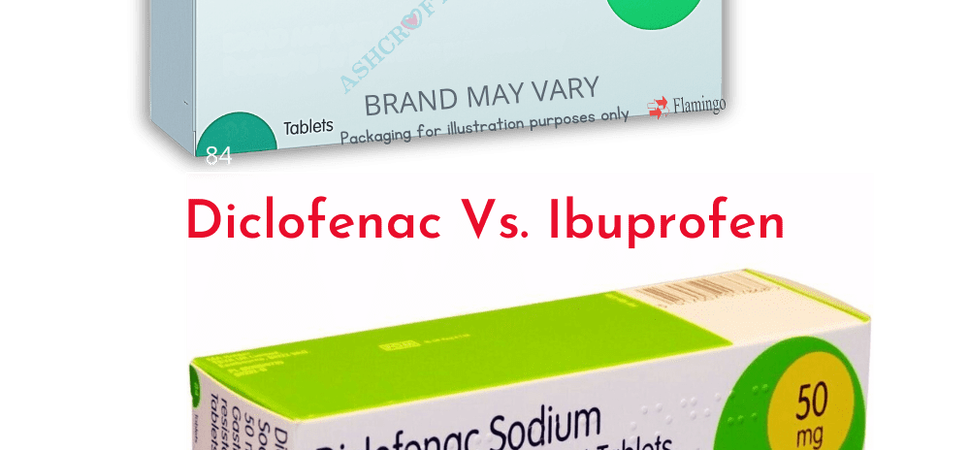
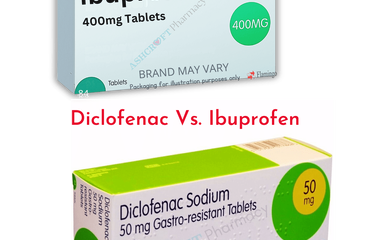
Diclofenac Vs. Ibuprofen
Diclofenac (Voltarol) and Ibuprofen are nonsteroidal anti-inflammatory drugs (NSAIDs) that treat osteoarthritis and rheumatoid arthritis by inhibiting prostaglandin synthesis and alleviating inflammation, fever, menstrual cramps, and pain. But which one is the best? Let’s compare both drugs and select the best one according to your needs!
Diclofena
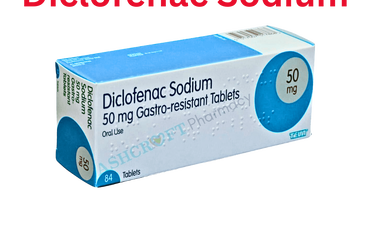
Diclofenac belongs to the NSAID class and is used to treat arthritis (osteoarthritis and rheumatoid arthritis) and ankylosing spondylitis in adults 18 years or older.
It is an MHRA-approved medicine and comes in the form of a topical gel, oral tablets (modified release tablets and capsules, gastro-resistant tablets, dispersible tablets), and suppositories.
You can use it 2-3 times a day according to your doctor’s advice.
Ibuprofen
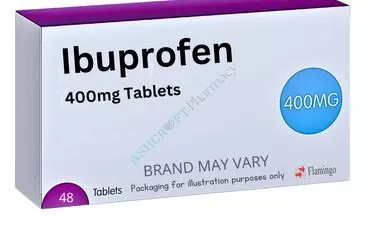
Ibuprofen also belongs to the NSAID class and treats fever, headache, toothache, menstrual pain, muscle and backache, and arthritis in adults and children 6 months or older. It is available over-the-counter or with a prescription and taken after every 6-8 hours to reduce pain and inflammation.
Are Diclofenac and Ibuprofen the Same?
Although Diclofenac and Ibuprofen belong to the same drug class, i.e. NSAIDs, they are not the same. There are some notable differences between them. Scroll down to explore these differences
The similarities between Diclofenac and Ibuprofen are:
Both are NSAIDs (nonsteroidal anti-inflammatory drugs).
They inhibit COX (cyclooxygenase) enzymes that release prostaglandins and regulate inflammation and pain at the site of injury.
Diclofenac and Ibuprofen reduce swelling and relieve pain (analgesia).
Difference Between Diclofenac and Ibuprofen
Many factors, such as dosage strength, cost, side effects, etc., set Diclofenac apart from Ibuprofen. Let’s discuss them in detail! Availability
Diclofenac relieves pain, but it also increases the risk of heart diseases and gastrointestinal problems compared to other NSAIDs.
That is why it is available by prescription only. On the other hand, Ibuprofen treats mild-moderate pain and is less likely to cause stomach-related side effects. So, it is available over-the-counter or with a prescription.
NSAIDs and Their Mechanism of Action
NSAIDs (nonsteroidal anti-inflammatory drugs) treat pain and reduce inflammation by inhibiting the production of pain-eliciting hormones called prostaglandins.
These drugs inhibit COX-1 and COX-2 enzymes and block prostaglandin synthesis, alleviating pain and inflammation. COX-1 enzymes are the prime mediators for gastric mucosal protection and protect your stomach lining, whereas COX-2 is mainly involved in inflammation.
Therefore, when Diclofenac and Ibuprofen block COX-1 enzymes, it results in gastrointestinal symptoms such as ulcers, stomach pain, etc. That is why you must use Diclofenac and Ibuprofen according to your doctor’s recommendations.
Treatment Conditions
The doctor prescribes diclofenac for the treatment of rheumatoid arthritis, osteoarthritis, and ankylosing spondylitis. It also treats back pain, menstrual cramps (period pain), migraine headaches, sciatica, muscle pain, aseptic necrosis, frozen shoulder, and chronic pain.
However, OTC Ibuprofen is used to treat mild pain and fever, while prescription Ibuprofen treats arthritis (rheumatoid arthritis or osteoarthritis), ankylosing spondylitis, back pain, toothache, and chronic pain.
Effectiveness
So, which is more effective, Ibuprofen or Diclofenac? Diclofenac requires your doctor’s prescription and is more potent than other NSAIDs like Ibuprofen, Naproxen, or Celecoxib for the treatment of arthritis.
Its 150 mg daily dose is more effective than Ibuprofen's 3200 mg daily dose.
However, before taking Diclofenac or Ibuprofen, you must consult your doctor for better advice and results.
Diclofenac Vs. Ibuprofen Dosage and Strength
Diclofenac is more potent than Ibuprofen, which is why it is used when stronger painkillers are required.
Diclofenac tablets come in strengths of 25, 50, and 75 mg to treat mild-moderate pain resulting from menstrual cramps, rheumatoid arthritis, and osteoarthritis.
On the other hand, Ibuprofen comes with a strength of 200 mg and alleviates mild pain associated with headache, toothache, fever, etc.
Prescription Ibuprofen is sold under the name Motrin and is available in 400, 600, and 800 mg doses to treat moderate pain due to arthritis or other conditions.
Side Effects
Gastrointestinal side effects
The risk of gastrointestinal toxicity is higher in elderly patients. All NSAIDS have a risk of gastrointestinal side effects; however, serious side effects are usually associated with piroxicam, ketoprofen, and ketorolac. Intermediate risk is associated with indometacin, diclofenac and naproxen, whilst ibuprofen has the lowest risk. However, high doses of ibuprofen can also be associated with an intermediate risk. Selective inhibitors of COX-2, like celecoxib, have a lower risk of serious gastrointestinal side effects than non-selective NSAIDs.
Overall. Ibuprofen is recommended at the lowest effective dose for the shortest period of time. The combination of an NSAID with aspirin can increase gastrointestinal side effects, tehrefore this combination should only be used if necessary, under the supervision of a healthcare professional.
Any patients with previous gastrointestinal ulcers or bleeding should ideally avoid NSAIDs and consider alternative pain relief options. However, some patients require NSAIDS for serious rheumatic disease.
Any patient at risk of gastrointestinal ulcers should receive gastroprotective treatment.
Taking NSAIDS with food or milk can partially reduce gastrointestinal side effects.
Asthma
Worsening asthma can be related to NSAIDs; therefore, avoiding NSAIDS is necessary in asthmatic patients.
Alcohol
NSAIDs taken alongside alcohol increase the risk of haemorrhage. Therefore, caution is required for people who drink moderate to high levels of alcohol.
Cardiovascular side effects
There is a risk of heart attack and stroke associated with all NSAIDs, including COX-2 selective NSAIDs. The greatest risk is in those receiving high doses, long-term. Diclofenac and high-dose ibuprofen are both associated with an increased risk of thrombotic events. Etoricoxib is also associated with an increased cardiovascular risk. Naproxen is associated with a lower thrombotic risk. Low-dose ibuprofen up to 1200mg) has not been associated with an increased risk of heart attack.
When to Call Your Healthcare Provider?
NSAIDs like Diclofenac or Ibuprofen rarely cause side effects. So while using these drugs, if you get any side effects, consult your doctor immediately. These side effects may include:
- Fatigue
- Nausea
- Jaundice (yellow eyes and skin)
- Itchiness
- Stomach pain
- Vomiting blood
- Flu symptoms
- Bloody stool
- Skin rash or blisters followed by fever
- Unusual weight gain
- Swelling in the limbs
However, you MUST seek emergency help if you experience:
- Chest pains
- Breathing problems
- Swelling in the face or throat
- Weakness on one side of the body
- bleeding
So, adhere to your doctor’s advice and recommended dose to avoid these unwanted side effects.
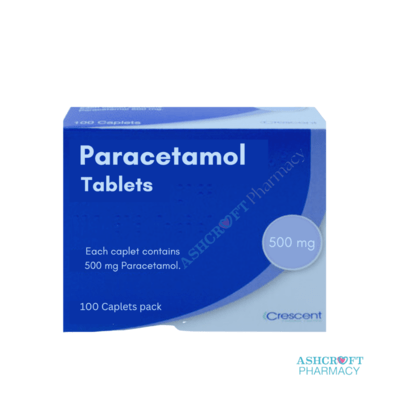
Paracetamol 500mg Tablets


Receive Tomorrow if you place order in next
Drug Interaction
Diclofenac and Ibuprofen can interact with many drugs and cause adverse side effects. These medications include:
- ACE (angiotensin-converting enzyme) inhibitors such as benazepril, enalapril, and lisinopril (increased risk of hyperkalaemia and nephrotoxicity)
- Water pills or diuretics such as furosemide or hydrochlorothiazide. - increased risk of low sodium (hyponatraemia)
- Angiotensin receptor blockers (ARBs) like candesartan, irbesartan, losartan, and valsartan (increased risk of hyperkalaemia and nephrotoxicity).
- Blood thinners like warfarin or aspirin (increased risk of bleeding)
- Selective serotonin reuptake inhibitor (SSRI) antidepressants like fluoxetine, escitalopram, sertraline, and paroxetine. (increased risk of bleeding)
- Lithium (mood stabiliser) (increased lithium concentrations = toxicity)
- Methotrexate (antimetabolite) (increased risk of toxicity)
- Selective-norepinephrine reuptake inhibitor (SNRI) antidepressants like desvenlafaxine or venlafaxine. (increased risk of bleeding)
- Corticosteroids, renin inhibitors, and angiotensin II receptor blockers.
- Diclofenac and Ibuprofen interact with these medications and increase the risk of stomach ulcers, bleeding, and other side effects. So, if you are taking any of these medicines, tell your doctor before taking Diclofenac and Ibuprofen.
Warnings
Pregnancy & Breastfeeding
Do not take NSAIDS if you are pregnant or breastfeeding.
Lifestyle Changes
If you are an alcoholic, you should not take Diclofenac or Ibuprofen, as alcohol can increase the risk of stomach bleeding.
So, if you get any symptoms of stomach or intestinal bleeding, like bloody stool, bloody vomiting, or coughing up blood, consult your doctor immediately.
Moreover, if you are taking any vitamins, herbs, or medications, tell your doctor before taking Diclofenac or Ibuprofen.
Diclofenac, Ibuprofen, and other NSAIDs can increase the risk of heart problems like stroke and heart attack if you have a medical history of these problems. The other earnings associated with Diclofenac and Ibuprofen are:
- They increase the risk of gastrointestinal issues such as stomach ulcers or intestinal bleeding.
- NSAIDs may cause kidney, heart, or liver problems in those who have a history of these issues.
- They must not be taken during late pregnancy because if you take them after the 30th week of your pregnancy, they will cause complications and affect your baby.
- NSAIDs can worsen heart failure, so you must not take them before or after CABG (coronary artery bypass graft) surgery.
- They can lower the effectiveness of antihypertensive medications.
- If you are breastfeeding or have an allergic reaction, you must consult your doctor before taking any NSAIDs.
- These drugs cause ulcers and bleeding problems in smokers and older people.
So, before taking any painkiller like Diclofenac or Ibuprofen, tell your doctor about your health conditions to avoid any side effects.
Which Is More Potent for General Pain Relief/Inflammation, Ibuprofen or Diclofenac?
Diclofenac is more potent for reducing pain and inflammation than Ibuprofen as it has stronger anti-inflammatory properties.
Diclofenac effectively treats arthritis and severe musculoskeletal pain, while Ibuprofen is used to relieve mild-moderate pain and inflammation.
However, Diclofenac has a higher risk of side effects, so you must use it according to your doctor’s advice.
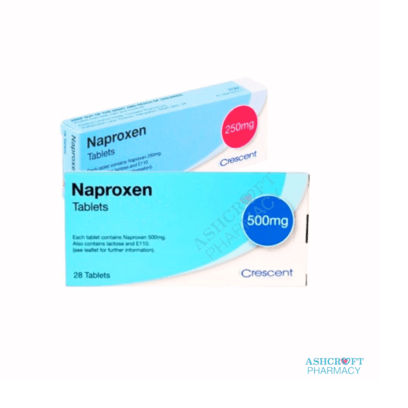
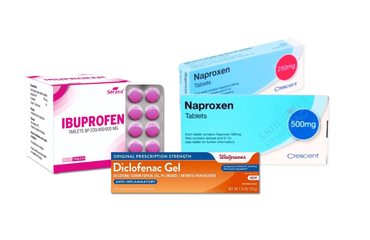
Naproxen Tablets (250mg & 500mg)
Paracetamol 500mg Tablets
Receive Tomorrow if you place order in next
Frequently Asked Questions
Which Is More Effective for a toothache, Ibuprofen or Diclofenac?
For toothache relief, Ibuprofen is more effective than Diclofenac as it has an anti-inflammatory effect and a lower risk of side effects.
Although Diclofenac is stronger than Ibuprofen, it causes many adverse effects, making Ibuprofen a safe solution for a toothache.
Diclofenac Vs Ibuprofen for Back Pain: Which Is Typically Recommended for Back Pain, Diclofenac Or Ibuprofen?
Ibuprofen and Diclofenac are effective for back pain management. Diclofenac is more potent, so it works at a lower dose than Ibuprofen, while Ibuprofen offers a lower risk of side effects than Diclofenac.
So consult your doctor and figure out the best solution for you according to your pain and other medical conditions.
Can Diclofenac or Ibuprofen Effectively Manage Menstrual Cramps?
Ibuprofen and Diclofenac effectively manage menstrual cramps due to their anti-inflammatory and anti-analgesic properties. They restore your physical performance and let you handle your daily tasks efficiently. Ibuprofen is more commonly used for menstrual cramps.
Diclofenac Vs Paracetamol: Which Is Better?
Diclofenac is stronger than Paracetamol in terms of effectiveness; however, Paracetamol is safer due to a lower risk of side effects than Diclofenac. So consult your doctor as the choice depends on your health status and the severity of the pain.
Why Are Doctors Reluctant to Prescribe Diclofenac?/What Is The Controversy with Diclofenac?
Diclofenac is associated with a higher risk of digestive tract issues, liver damage, and cardiovascular events compared to other NSAIDs like Paracetamol or Ibuprofen.
For safety concerns, doctors avoid prescribing Diclofenac for long-term treatment or at high doses.
Prescription/OTC Pain Killers UK
Related Articles
- 22nd December 2025
Diclofenac Sodium - Uses, Side Effects, and More - Ashcroft Pharmacy
Read Article