Naproxen Side Effects Made Simple: What Every Patient Should Know
By Mr Suhail Jamil



Naproxen is a non-steroidal anti-inflammatory (NSAID) drug that is commonly used in the UK as a first-line treatment for the management of pain and inflammation. It can also be used to lower fever, headaches, muscle pain, arthritis, menstrual cramps, and other everyday aches.
Like all medications, Naproxen may cause side effects that should be considered, ranging from mild to potentially more serious.
Naproxen Side Effects
| How often | Possible side effects (from mild to more serious) |
| Common (affects many people) | Upset stomach, indigestion or heartburn, stomach pain, feeling sick, diarrhoea or constipation, headache, dizziness, feeling tired, mild skin rash or itching. |
| Less common | Ringing in the ears, changes in eyesight, swelling in the ankles or feet, rise in blood pressure, bruising more easily. |
| Rare but serious | Ulcers or bleeding in the stomach (can cause black or bloody stools, vomiting blood, or severe stomach pain); severe allergic reactions such as swelling of the face, lips or throat, breathing problems, or severe skin rashes; liver problems (yellowing of skin or eyes, dark urine); kidney problems (less urine, swelling, tiredness); problems with blood cells (unusual tiredness, frequent infections, easy bleeding). |
When to Get Urgent Medical Help While Taking Naproxen
When you first start taking naproxen, your body may react with some common side effects like mild stomach upset, heartburn, dizziness, or feeling tired. These are usually not serious and often happen simply because your body is getting used to the medicine.
In most cases, these effects improve on their own as you continue the treatment. You shouldn’t be alarmed by these common effects, but it’s still important to keep an eye out for any unusual or serious symptoms and seek medical advice if they occur.
You should seek immediate medical help If you experience any serious side effects such as;
- severe stomach pain or bleeding
- difficulty breathing, sudden swelling of the face or throat
- yellowing of the skin or eyes
- A severe skin reaction with blistering or peeling
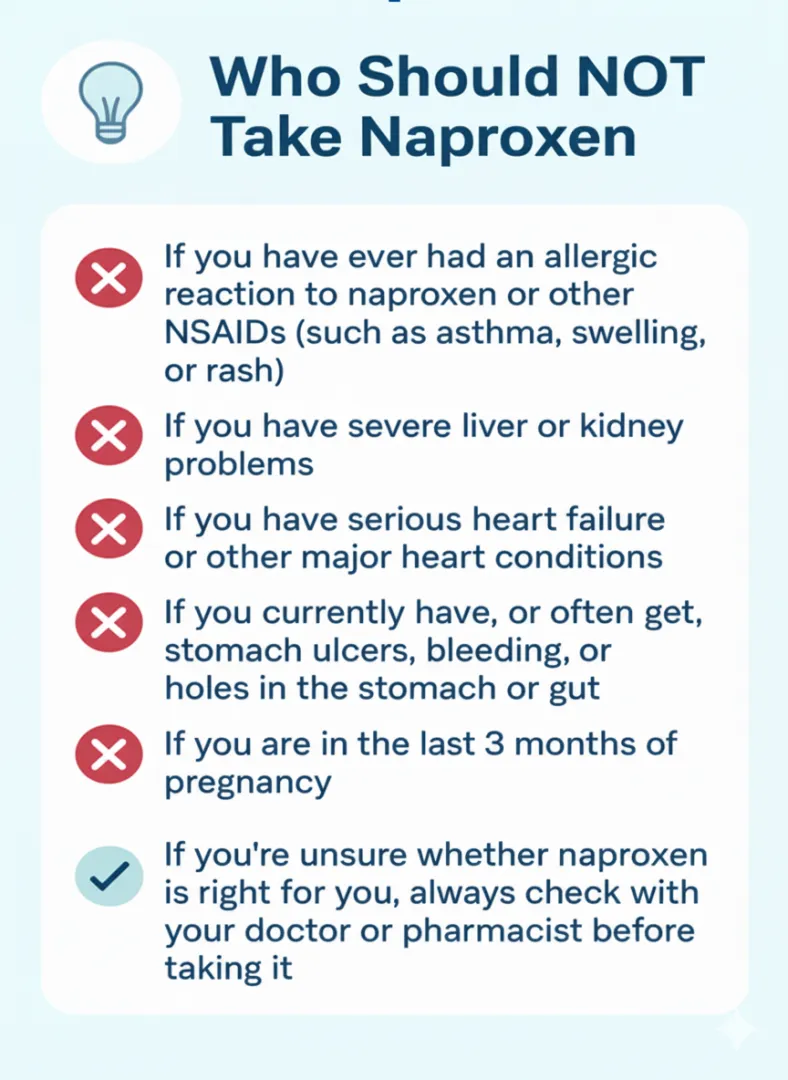
Who Should NOT Take Naproxen
How to Take Naproxen Safely
- Take with food or milk – this helps protect your stomach.
- Swallow tablets whole with water – don’t crush or chew them.
- Use the lowest dose for the shortest time – enough to control your pain.
- Your doctor may give you a stomach-protecting tablet if you need naproxen regularly.
- Extra care if you’re older or have kidney, liver, heart, or stomach problems – tell your doctor.
- Don’t mix with other painkillers like ibuprofen or aspirin.
- Tell your doctor or pharmacist about all your medicines – some don’t mix well with naproxen.
Long-term use: what to watch for
- Using naproxen for a long time or at high doses can raise the chance of stomach ulcers/bleeding, kidney problems, and (less commonly) heart problems — your doctor will balance the benefits and risks. If you’re taking it long-term you may need regular check-ups. Your doctor will decide how frequently you require monitoring.
- People with existing heart, kidney or liver conditions usually need closer monitoring or an alternative pain plan.
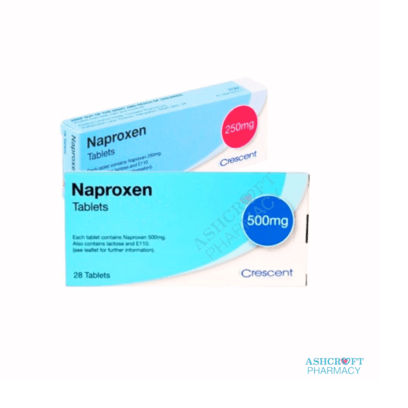
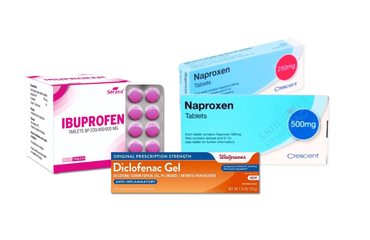
Naproxen Tablets (250mg & 500mg)


Order Monday to Friday before 14:00pm to guarantee next day delivery
Smart Lifestyle Choices with Naproxen
- Limit alcohol – reduces the risk of stomach irritation and bleeding.
- Stay well hydrated – supports healthy kidney function.
- Avoid smoking – lowers the chance of stomach problems and helps overall recovery.
- Keep your healthcare team informed – always mention other medicines you’re taking to prevent harmful interactions.
What To Remember
By following the guidance on taking it safely, keeping an eye on your health, and letting your healthcare team know about any other medicines you use, you can lower your risk even further. If you ever notice worrying symptoms — such as severe stomach pain, black or bloody stools, difficulty breathing, chest pain, or sudden swelling — do not ignore them. Seek medical advice immediately.
Your healthcare team is there to help you get the most benefit from Naproxen while keeping you safe.
More information on the side effects of Naproxen can be accessed by;
Find Naproxen Alternatives: Avaiable At Ashcroft Pharmacy
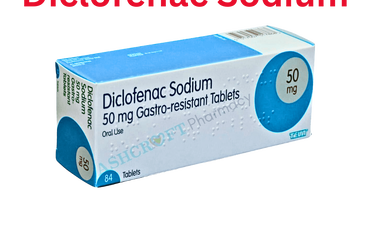
Diclofenac Sodium Tablets
From £16.99
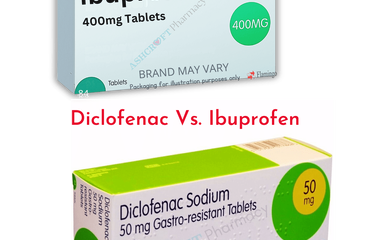
Ibuprofen 400mg Tablets
From £3.99
Naproxen Gastro-Resistant Tablets (250mg & 500mg)
From £7.99
Nurofen Plus
From £14.99
Solpadeine Max
From £12.49
Pain Relief medications
Related Articles
- 22nd December 2025
Diclofenac Sodium - Uses, Side Effects, and More - Ashcroft Pharmacy
Read Article