Top 3 OTC Painkillers in The UK - Ashcroft Pharmacy
By Mr Suhail Jamil

Everyone in the UK who suffers from headaches, period pain, muscle injuries, and even arthritis uses Non-Steroidal Anti-Inflammatory Drugs (NSAIDs) to ease pain, inflammation, and fever. Common NSAIDs include ibuprofen, naproxen, and aspirin, and they work by inhibiting the body’s production of substances that cause discomfort and inflammation.
Although some NSAIDs are available on prescription, many can be bought over-the-counter (OTC) without prescription at supermarkets and pharmacies (local or online). OTC NSAIDs like low-dose ibuprofen are quite helpful in relieving mild pain but can have dangerous side effects like ulcers, kidney complications, and increased chances of heart disease if taken without a proper consultation from a healthcare professional. This blog will help you explore OTC NSAIDs, their safe use, possible risks, and alternatives. Let’s start!
Common OTC NSAIDs Available in the UK
Common OTC NSAIDs in the UK are:
Ibuprofen
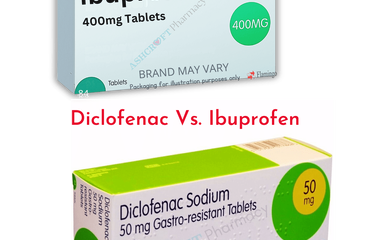
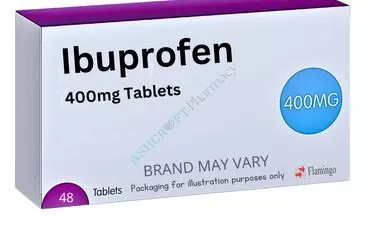
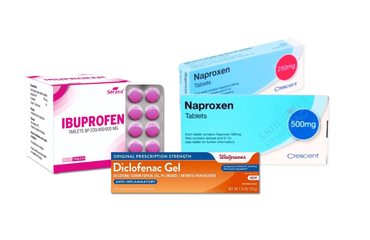
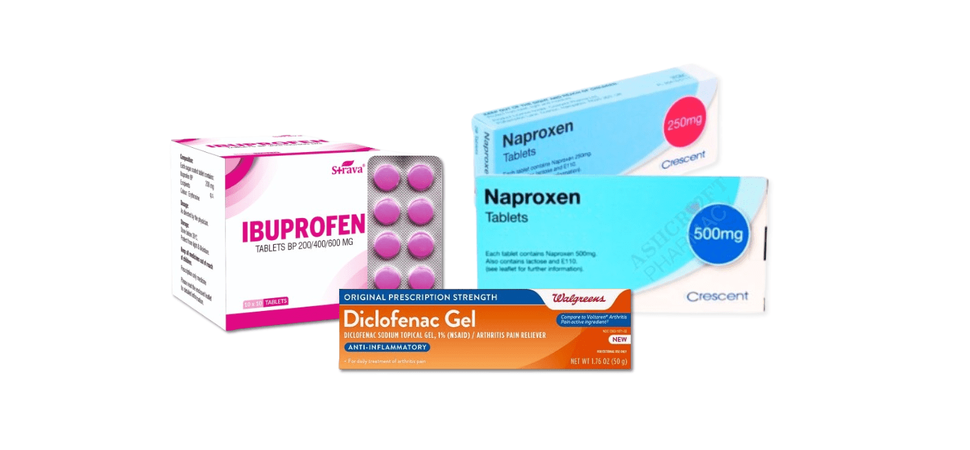
Nurofen is the brand name for ibuprofen, a common OTC NSAID in the UK. It is also available in the generic form. It works well in alleviating pain, fever, and inflammation from conditions like muscle strains, menstrual cramps, and headaches. It is available in various strengths and forms such as tablets, liquids, and topical gels, catering to different needs. To avoid side effects, you must always follow the dosage guidelines.
Aspirin
Aspirin sold over the counter, usually in the generic form, is well known for helping with pain, inflammation, and fever reduction. However, regular use must be done under medical supervision as aspirin carries the risk of stomach bleeding and irritation.
Naproxen (Lower Strength)
Naproxen (lower strength) is found in products such as Feminax Ultra, an OTC NSAID that can be bought without a prescription and is used for menstrual cramps, muscle aches, and joint pain. It offers longer-lasting relief compared to other OTC painkillers. Higher-strength naproxen is only available on prescription as it carries the risk of adverse effects and requires medical supervision.
Diclofenac (Topical Gels Only)
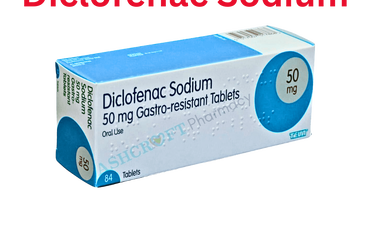
Topical diclofenac gel, such as Voltarol are used for the treatment of joint and muscle pain, including sprains and muscle strains. These gels deliver the anti-inflammatory effect directly to the affected area with minimal absorption into the bloodstream. Topical diclofenac is safer than oral diclofenac, which is available on prescription only and has a higher risk of side effects.
What are OTC NSAIDs Used for?
OTC NSAIDs are used to ease everyday pain and aches such as:
- Migraines
- Headaches
- Muscle and joint pain, like back pain, sprains, or symptoms of arthritis
- Toothache
- Period pain
- Fever reduction
Safe Use of OTC NSAIDs
To safely utilize OTC NSAIDs, it is crucial to never exceed the dosage indicated on the packaging. An intake that surpasses the guideline greatly heightens the possibility of adverse effects, particularly involving the stomach, kidneys, and heart.
NSAIDs should ideally be consumed with food or milk to further reduce the chances of stomach irritation. Moreover, do not exceed the maximum daily dose and do not take more than one NSAID at the same time, as this can increase the risk of serious side effects.

Ibuprofen 400mg Tablets
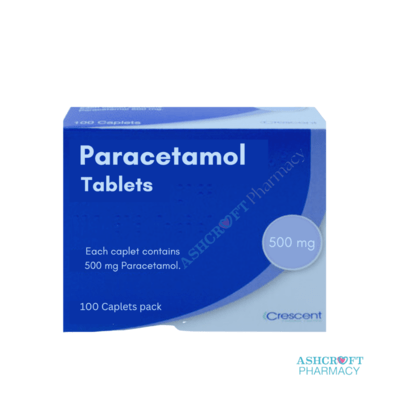
Paracetamol 500mg Tablets

Receive Tomorrow if you place order in next
Risks and Side Effects of OTC NSAIDs
Although OTC NSAIDs are safe if used as directed, they carry risks with excessive or long-term use. Its common side effects are:
- Indigestion
- Stomach irritation
- Gastrointestinal bleeding
- Ulcers
Some serious risks may include:
- Heart problems, especially in people with preexisting cardiovascular issues
- Kidney disease, particularly in people with kidney issues
- Allergic reactions in asthma sufferers
Besides these, NSAIDs can interact with other medications such as blood thinners or antihypertensives. So, before using OTC NSAIDs, consult your doctor to determine whether they are safe for you based on your current health, medical history, and other factors.
Who Should Avoid NSAIDs?
You should not take NSAIDs if you have:
- Asthma
- A history of heart disease
- A history of kidney problems
- A history of stomach ulcers
- Are taking blood thinners or any other medications
- Pregnant
When to Consult a Doctor
You must consult a pharmacist or GP if:
- Your pain is not relieved with OTC NSAIDs, as this may indicate an underlying issue needing medical intervention
- You experience serious side effects such as stomach pains, dizziness, or shortness of breath
- You need regular pain relief
Your healthcare professional can develop a safer, long-term personalized pain management strategy for you or suggest alternative treatment options, if needed.
Alternatives to OTC NSAIDs
You can choose from these alternatives, if OTC NSAIDs do not suit you.
Topical Pain Relief Creams: These creams are directly applied to an affected area to ease pain or stiffness and include Voltarol( diclofenac) and Deep heat. It has less systemic absorption and has less potential for side effects.
Paracetamol: These are best for mild to moderate pain associated with headaches, toothaches, and mild musculoskeletal pain. However, it does not have any anti-inflammatory effects.
Lifestyle Modifications: May include stress reduction, ergonomics adjustments, managing weight. May address the underlying causes of chronic musculoskeletal pain.
Exercise and Physiotherapy: Contribute to muscle strengthening, mobility improvement, and helping get rid of long term pain. Personalized programs can help with joint dysfunction and posture related pain.
Heat and Cold Therapy: Useful for sprains, arthritis, and back pain. Heat relaxes your muscles and improves blood circulation in chronic conditions. On the other hand, cold packs reduce inflammation and numb acute pain.
Consult your doctor to figure out which option is safe for you.
Let’s Wrap Up!
Over-the-counter NSAIDs are highly effective in relieving pain and inflammation, but they come with some risks, especially if used more frequently or without a doctor’s guidance. Be aware of these side effects, such as gastrointestinal issues, kidney problems, or cardiovascular risks, especially in older adults or those with existing health issues.
Other safer options like paracetamol or topical drugs, physical therapy, and even changing your lifestyle can prove to be more beneficial. Always consult your doctor to determine the safe and suitable option for you based on your needs.
Paracetamol 500mg Tablets
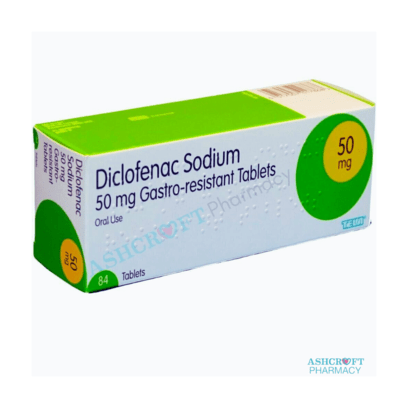
Diclofenac Sodium Tablets
Receive Tomorrow if you place order in next
Pain Relief medications
Related Articles
- 22nd December 2025
Diclofenac Sodium - Uses, Side Effects, and More - Ashcroft Pharmacy
Read Article