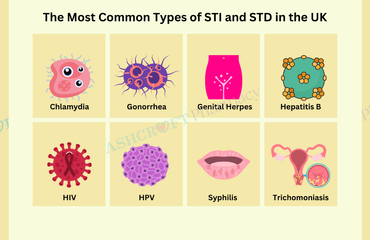
Top 10 Sexually Transmitted Diseases in the UK - Ashcroft Pharmacy
By Mr Suhail Jamil



Sexually transmitted diseases are infections spread during sex or through sexual contact, such as anal, vaginal, and oral. You are likely to get STDs if you are sexually active, have multiple partners, or don't use protective barriers.
There are curable and noncurable STDs.This blog will discuss the top 10 STDs, their causes, symptoms, and treatments.
The report (Updated 4 June 2024) on sexually transmitted infection (STI) diagnoses and screening in England for 2023:
1. Overall STI Diagnoses:
- In 2023, there were 401,800 new STI diagnoses in England, marking a 4.7% increase from 2022 (383,789).
- Chlamydia diagnoses remained stable at 194,970 in 2023 compared to 194,244 in 2022.
- Gonorrhoea diagnoses increased by 7.5%, from 79,268 in 2022 to 85,223 in 2023.
- Infectious syphilis diagnoses rose by 9.4%, from 8,693 in 2022 to 9,513 in 2023.
2. Specific Demographic Trends:
Syphilis diagnoses increased more among heterosexual men and women (21.8%) than among gay, bisexual, and other men who have sex with men (GBMSM) (7.3%).
First episode genital warts diagnoses remained stable overall, with low numbers in vaccinated 15 to 17-year-olds.
3. Screening and Testing:
- Among women aged 15 to 24 screened through the National Chlamydia Screening Programme:672,576 chlamydia tests were conducted in 2023, a 2.1% decrease from 2022.
- 64,670 chlamydia diagnoses were made in 2023, a 4.2% decrease from 2022, with stable test positivity rates (9.8% in 2022, 9.6% in 2023).
Service Provision Trends:
- Total sexual health service consultations in 2023 increased by 5.0% from 2022.
- Face-to-face consultations increased by 7.9%, online consultations by 7.5%, while telephone consultations decreased by 17.4%.
- Consultations were predominantly by heterosexual women (52.0%), followed by heterosexual men (19.5%) and GBMSM (15.5%).
Overall Sexual Health Screens:
- The number of sexual health screens increased by 8.3% in 2023 compared to 2022, totalling 2,358,987.
- Heterosexual women accounted for the largest share (46.6%) of screens, followed by heterosexual men (22.5%) and GBMSM (17.2%).
Impact on Young People and Specific Groups:
The impact of STIs remains significant among young people aged 15 to 24 years, GBMSM, and certain minority ethnic groups.
Comparison and Historical Context:
Data from 2020 and 2021, affected by the COVID-19 pandemic, showed lower STI diagnoses and service provisions compared to pre-pandemic years like 2019.
Sources:WWW.GOV.UK
Most Common STDs and STIs in the UK
Syphilis
Syphilis is caused by a bacterium known as Treponema pallidum. It is spread through sex, getting into contact with an infected sore, and from mother to child during birth. Syphilis can cause miscarriage, premature birth, and fetal death.
Syphilis is treatable, especially when noticed earlier. If left untreated,d the disease can cause permanent damage, especially in the reproductive organs.
Syphilis occurs in 4 stages:
During the first stage, you may notice a painless, round, firm sore in the infected area. These can occur on your penis, vagina, or around your bottom (anus).
Sometimes, you can get sores in other areas, including in your mouth or on your lips, hands or bottom. They are usually painless,s and you may only have one of them.
You may not notice these sores if they’re inside your bottom or vagina and are not painful.
The sore lasts for 3-4 weeks, ks and it's at this age that you can easily spread the infection if the sores are not covered properly, i.e. with a condom.
In the second stage, you will notice several symptoms such as
- non-itchy rash, usually on the palms and soles of the feet
- white or grey lesions appear in warm and moist areas, such as the labia or anus, at the site of the chancre (given their infectious nature, it is essential to avoid direct contact with these lesions; condom use is a key measure to reduce partner transmission)
- white patches in your mouth
- flu-like symptoms, such as a high temperature, headaches and tiredness
- swollen glands
- patchy hair loss on the head, beard and eyebrows
In the latent stage, the bacteria keep on spreading in the body,y though the symptoms tend to disappear.
In the tertiary stage, the disease may affect various parts of the body, such as the brain and heart, and this may cause complications in these body parts.
Syphilis symptoms may appear from the tenth day after you are infected with the disease. The disease is tested through a swab test, blood test, or physical examination of the affected genital areas.
Treatment for Syphilis: Syphilis is treated with antibiotics, typically penicillin. The choice of antibiotic and duration of treatment depend on the stage of syphilis.
Trichomoniasis
Trichomoniasis is caused by Trichomonas vaginalis and is passed on through vaginal sex and sharing sex toys. It can cause serious problems if left untreated. Symptoms are invisible during the initial stages of infection.
Trichomoniasis is tested through examination of the genitals, and swabs are taken from the penis or vagina. It is important to be tested earlier to avoid serious symptoms.
Symptoms of the disease include yellow-green discharge from the genitals, which smells like fish, and pain when urinating. Some people get no symptoms at all, so it's important to get tested if you think you have trichomoniasis. Symptoms can start 5 to 28 days after being infected.
Other symptoms in men and women include:
- itching, pain, soreness, swelling or redness in or around your vagina
- pain when peeing or having vaginal sex
- tummy pain
Trichomoniasis can cause symptoms in men. These symptoms can affect anyone with a penis:
- discharge from your penis
- pain when peeing
- needing to pee often
- pain or soreness in your penis, testicles (balls) or bottom, or when you ejaculate
Trichomoniasis Treatment: Trichomoniasis is treated with a single dose of an antibiotic called Metronidazole. Both partners should be treated simultaneously to prevent reinfection.
Pregnant women suffering from Trichomoniasis may experience pre-term birth, and give birth to low-weight babies; also, their newborn children may suffer from genital and respiratory infections.
Hepatitis B.
It's a disease spread through blood and body fluids such as semen, vaginal discharge, saliva, and breast milk. You can get hepatitis B from having vaginal, anal or oral sex without using a condom or dam, injecting drugs using shared needles, being injured by a used needle, having a tattoo, piercing, or medical or dental procedure with unsterilised equipment, having a blood transfusion in a country that does not check blood for hepatitis B (blood transfusions in the UK are checked for hepatitis B.
Some of the symptoms of hepatitis B include yellowing of the skin and whites of the eyes, fever, tiredness, feeling or being sick, darker urine than usual, pale stools, pain in the upper abdomen, fatigue, and nausea.
A vaccine can help in providing protection; however, boosters are needed to provide long-term protection.
Hepatitis-B Treatment: Acute hepatitis B infections may not require specific treatment other than supportive care. Chronic hepatitis B infections may be managed with antiviral medications like tenofovir or entecavir to reduce liver damage and lower the risk of complications.
HIV
HIV is an immunodeficiency virus that affects the immune system's ability to fight infectious diseases. It weakens your immune system and increases the risk of serious illness. It's commonly spread through having sex with an infected person, mother to child during birth, and sharing needles to take drugs. AIDS (acquired immune deficiency syndrome) is the name for a collection of serious illnesses caused by HIV. AIDS is sometimes called late-stage HIV or advanced HIV.
During the initial infection, you might get flu-like symptoms. When HIV spreads and damages your immune system, you get AIDS (Acquired Immune Deficiency Syndrome), which comes with life-threatening illnesses.
Symptoms include a short flu-like illness around 2-6 weeks after infection. It includes a sore throat, high temperature, swollen glands, muscle aches, tiredness, and a skin rash.
As these symptoms overlap with other common illnesses, many people with HIV do not know when they have it. Advanced HIV can present with tuberculosis, pneumonia and even cancer.
HIV is tested through blood tests or saliva. HIV has no cure, but antiretroviral drugs are recommended. They prevent the virus from replicating, enabling your immune system to repair itself.
HIV Treatment: HIV is managed with antiretroviral therapy (ART), which involves taking a combination of HIV medicines every day. ART helps suppress the virus, allowing people with HIV to live longer and healthier lives.
Pubic Lice (Crabs)
Pubic lice or crabs are small insects that appear on the pubic hair of the penis or vagina, as well as hair on the chest, armpit, face and eyelashes. It's hard to see the m, though you can notice them through itchy genitals. They are mostly spread through close body contact, especially sexual contact with an infected person.
Their life cycle is influenced by the female crabs that lay more eggs that hatch into pubic lice. This disease is tested by a doctor who examines your pubic hair using a comb or a magnifying lens.
Crabs can also be found on other parts of your body,dy such as eyelashes, armpits, and chest. So the symptoms that show you have pubic lice include:
- Itchy genitals that get worse at night
- Brown spots on your underwear. These are usually lice poo
- Crusty or sticky eyelashes if they are affected
- Red spots on your genital skin that signify crab bites
Pubic Lice (Crabs)Treatment: Pubic lice are treated with medicated lotions or shampoos that kill the lice and their eggs (nits). Over-the-counter treatments like Permethrin (Lyclear) cream or prescription medications like malathion or Derbac M Liquid are commonly used.
Saxenda Weight Loss Pen

Order Monday to Friday before 14:00pm to guarantee next day delivery
Genital Herpes
Genital herpes is caused by a virus known as HSV. There are 2 types of HSV: HSV1 and HSV2. HSV1 affects the mouth while HSV2 affects the genital areas.HSV1 can spread from one person to another through oral sex, while HSV2 can spread through sexual intercourse.
Symptoms of genital herpes include:
- Small, itchy open sores on the genitals, anus, thighs or bottom
- Pain while urinating
- Body aches
- Vaginal discharge that is not usual for you
The disease can be tested through a fluid swab test from the infected area. There is no cure for genital herpes; however, prescribed antivirals can prevent the symptoms from worsening.
Genital herpes Treatment at Ashcroft Pharmacy:
Genital herpes is managed with antiviral medications such as Aciclovir, Valaciclovir, or famciclovir. These medications can help reduce the severity and frequency of outbreaks, but do not cure the infection.
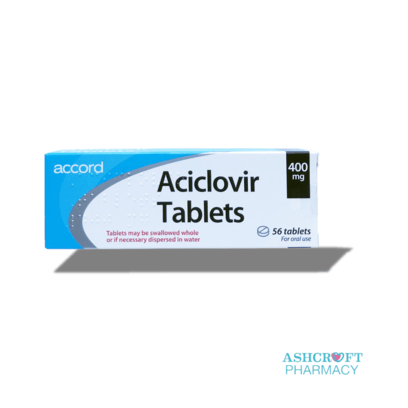
Aciclovir 400mg
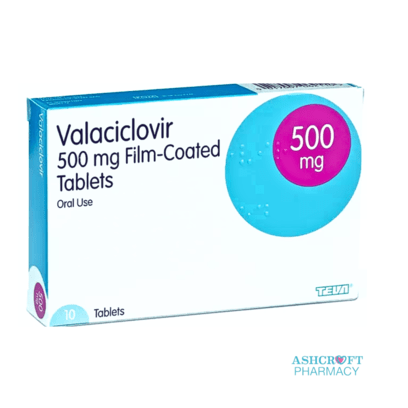
Valaciclovir 500mg Tablets
Order Monday to Friday before 14:00pm to guarantee next day delivery
Genital Warts
Genital warts are caused by a virus known as Human Papillomavirus. The disease affects the skin, especially the vagina, mouth, throat, and anus.
Some of the symptoms of genital warts include small rough lumps around the vagina, anus or penis or the skin between the genitals and anus known as the perineum. They are a common STI.
It can take a few weeks to months for genital warts to appear after sexual intercourse. They can appear on their own or in groups, resembling the look of a cauliflower. They can feel soft or firm and are white, red or skin coloured compared to the surrounding skin.
Symptoms include pain or discomfort during sex and problems urinating (blood in your pee, struggling to urinate or stopping and starting a lot.
Genital warts are tested through a physical examination of the affected area. They can sometimes go away on their own in approximately 6 months. You can treat genital warts through the use of prescription cream or freezing (cryotherapy) in the infected area.
Genital Warts Treatment: Genital warts can be treated with topical medications (like Warticon Cream, Warticon Solution, Aldara 5% Cream) applied directly to the warts, or removed via procedures such as cryotherapy, surgical excision, or laser therapy.
Chlamydia
Chlamydia is a sexually transmitted infection caused by a bacterium known as Chlamydia trachomatis. Chlamydia can be spread through childbirth, from an infected mother to the child and unprotected sexual intercourse. To get tested for Chlamydia, the GP can test a sample of your urine or perform a fluid swab test.
Some of the symptoms of the infection in men include pain in the testicles, cloudy discharge from the penis, itchy urethra, and pain while urinating/Untreated Chlamydia can lead to inflammation of the epididymis and testicles. Men with swollen epididymis may experience infertility problems.
Most people who have chlamydia do not have symptoms. If you do get symptoms, they can start from 1 week to a few months after infection.
Symptoms in women include vaginal discharge, bleeding after sexual intercourse or between periods, burning sensation when urinating, and pain in the lower abdomen.
Symptoms in men include discharge,e which can be white or cloudy, burning and itching of the testicles and penis, pain and swelling of the testicles, and a burning sensation when urinating.
Men with swollen epididymis may experience infertility problems. Untreated chlamydia can cause pelvic inflammatory disease, which affects fertility in women.
Chlamydia can be treated with prescribed antibiotics. You should abstain from sex until the infection has fully disappeared.
Chlamydia Treatment: Chlamydia is also treated with antibiotics, commonly Azithromycin or Doxycycline. It's important to complete the full course of antibiotics as prescribed.
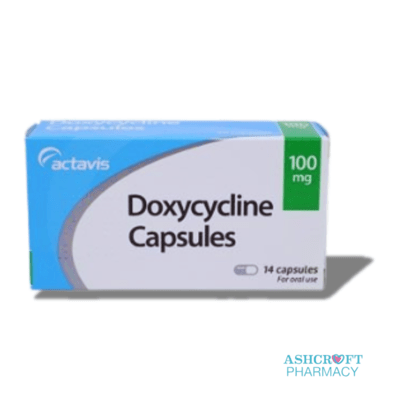
Doxycycline - Chlamydia Treatment
Order Monday to Friday before 14:00pm to guarantee next day delivery
Gonorrhoea
Gonorrhoea is a bacterial STD caused by Neisseria gonorrhoeae. It can be passed from one person to another through sex(anal, oral, or vaginal), sharing of sex toys with an infected person, and childbirth labor. Besides affecting the genitals, it can also affect the eyes and throat.
Gonorrhoea can be treated using antibiotics at its early stages. It's important to get tested since the disease doesn't show symptoms in the initial stage. The test can be carried out through a swab test or urine test.
Common symptoms of gonorrhea include yellow discharge from the penis or vagina, pain while urinating, and pain in the pelvis. Untreated gonorrhea can cause infertility and Pelvic Inflammatory Disease in women.
Gonorrhoea Treatment: Gonorrhoea is treated with antibiotics, but due to increasing antibiotic resistance, the specific antibiotic regimen may vary. Combination therapy is sometimes necessary.
HPV(Human Pappilomavirus )
Human papillomavirus is a very common virus that affects the skin and places like inside the mouth, throat, vagina and anus. There are over 100 different types. Some of the viruses can cause genital warts or cancer.
HPV can spread through vaginal, anal, or oral sex, genital-to-genital contact, sharing sex toys and from pregnant women to a baby.
The major symptoms of HPV are painless lymph nodes around the infected area.HPV is tested during cervical screening.
HPV Treatment:
There is no cure for HPV, but genital warts caused by HPV can be treated with prescription creams, cryotherapy (freezing), or surgical removal. Vaccination (Gardasil or Cervarix) is effective in preventing certain HPV infections.