Ibuprofen: Uses, Dosage, Side Effects & Safety Guide (UK)
By Mr Suhail Jamil


Headache splitting? Fever rising? Muscle pain getting in the way of your day? Ibuprofen is one of the most commonly used over-the-counter painkillers in the UK—but using it safely means understanding how it works, the correct dosage, and potential risks.
This guide covers everything you need to know about ibuprofen, including uses, side effects, and key precautions.
What Is Ibuprofen?
Ibuprofen is a nonsteroidal anti-inflammatory drug (NSAID) used to:
- Relieve pain
- Reduce inflammation
- Lower fever
It is commonly used for:
- Headaches and migraines
- Toothache
- Back pain
- Muscle injuries
- Period pain
- Arthritis


Nurofen Plus

Order Monday to Friday before 14:00pm to guarantee next day delivery
How Does Ibuprofen Work?
Ibuprofen works by blocking cyclo-oxygenase (COX) enzymes, reducing prostaglandins—the chemicals responsible for pain, inflammation, and fever.
Available Forms and Strengths
Ibuprofen is available in several forms:
- Tablets and capsules
- Liquid (oral suspension)
- Chewable tablets (for children)
- Topical gels (applied to the skin)
Common Strengths
- 200mg, 400mg (most common OTC doses)
- 600mg and 800mg (prescription strength)
- Liquid: 100mg/5ml and 200mg/5ml
Ibuprofen Dosage Guidelines (UK)
Adults
- 200–400 mg every 4–6 hours as needed
- Maximum (over-the-counter): 1,200 mg per day
- Prescription maximum: up to 3,200 mg per day
For Arthritis (Doctor Prescribed)
- 400–800 mg every 6–8 hours
General Age Guide
- 6–12 months: 50 mg three times daily
- 1–3 years: 100 mg three times daily
- 4–6 years: 150 mg three times daily
- 7–9 years: 200 mg three times daily
- 10–11 years: 300 mg three times daily
⚠️ Always follow advice from a pharmacist or GP for children.
How to Take Ibuprofen Safely
- Take the lowest effective dose for the shortest time
- Always follow the instructions on the label
- Take with food to reduce stomach irritation
- Shake liquid forms before use
- Use a proper measuring device for liquids
Missed Dose
Take it when you remember, unless it’s close to your next dose. Do not double-dose.
Overdose Warning
Taking too much ibuprofen can damage your stomach and intestines. Seek medical help immediately if an overdose is suspected.
Side Effects of Ibuprofen
Common Side Effects
- Headache
- Nausea or vomiting
- Heartburn
- Gas
- Rash
Serious Side Effects (Seek Urgent Medical Help)
Stomach or Intestinal Bleeding
- Vomiting blood
- Black stools
- Severe stomach pain
Liver Problems
- Fatigue
- Loss of appetite
- Light-coloured stools
Anaemia
- Pale skin
- Breathlessness
- Fatigue
High Blood Pressure
- Severe headaches
- Chest pain
- Nosebleeds
Heart Problems
- Unusual weight gain
- Swelling or fatigue
Who Should Not Take Ibuprofen?
Avoid ibuprofen if you:
- Are allergic to NSAIDs (including aspirin)
- Have recently had heart surgery
- Pregnant
Speak to your GP before use if you have:
- High blood pressure
- Heart disease
- Liver or kidney problems
- History of stomach ulcers
Ibuprofen Interactions
Ibuprofen can interact with other medicines.
Avoid Talking With:
- Other NSAIDs (e.g. aspirin, naproxen)
- Blood thinners (e.g. warfarin)
- Steroids (e.g. hydrocortisone)
- Certain antibiotics (e.g. ciprofloxacin)
- Some antidepressants (e.g. paroxetine)
Can Be Taken With:
- Paracetamol
- Codeine (if advised)
⚠️ Always check labels of cold and flu medicines—they may already contain ibuprofen.
Food, Alcohol and Supplements
- Take ibuprofen with food to reduce stomach upset
- Avoid alcohol (increases risk of stomach bleeding)
- Speak to a healthcare professional before combining with herbal supplements
Pregnancy, Breastfeeding and Fertility
Pregnancy
- Avoid after 20 weeks
- May affect your baby’s kidneys and circulation
- Paracetamol is usually recommended instead
Breastfeeding
- Small amounts pass into breast milk
- Generally considered safe
Fertility
- Long-term use may affect ovulation in women
How Long Does Ibuprofen Take to Work?
- Starts working within 20–30 minutes
- Effects last 4–6 hours
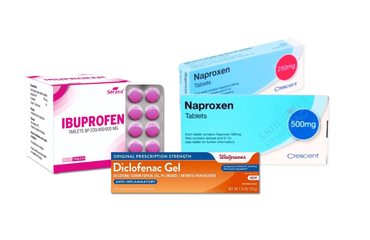
Ibuprofen vs Naproxen: Which Is Better?
Both ibuprofen and naproxen are NSAIDs, but they differ slightly:
- Ibuprofen: Short-acting, better for quick pain relief
- Naproxen: Longer-lasting (8–12 hours), better for chronic conditions
A dose of 440 mg naproxen is roughly equivalent to 400 mg ibuprofen.

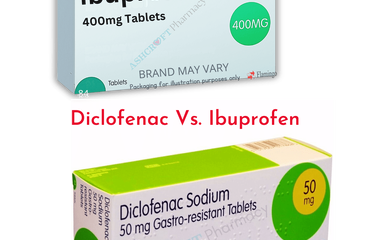
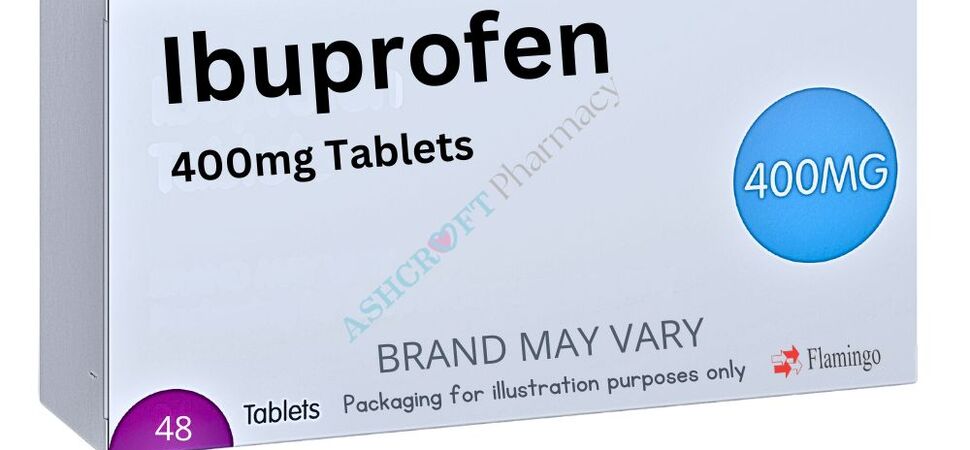
Ibuprofen 400mg Tablets
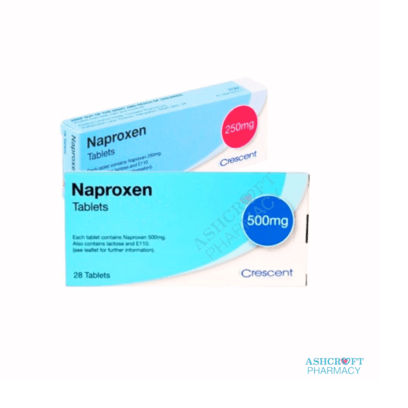
Naproxen Tablets (250mg & 500mg)
Order Monday to Friday before 14:00pm to guarantee next day delivery
Frequently Asked Questions
What should I do if I take too much ibuprofen?
Seek immediate medical help.
Can I drink alcohol with ibuprofen?
It’s best to avoid alcohol due to the increased risk of stomach bleeding.
Can I take ibuprofen with other medicines?
Check with your GP or pharmacist, especially if you take regular medication.
Bottom Line
Ibuprofen is a safe and effective painkiller when used correctly. To minimise risks:
- Stick to recommended doses
- Avoid combining with other NSAIDs
- Be aware of side effects
- Seek medical advice if unsure
Using ibuprofen responsibly ensures effective pain relief without unnecessary risks.

Solpadeine Max

Voltarol Max Strength Pain Relief 2.32% Gel
Order Monday to Friday before 14:00pm to guarantee next day delivery
Pain Relief medications
Related Articles
- 22nd December 2025
Diclofenac Sodium - Uses, Side Effects, and More - Ashcroft Pharmacy
Read Article