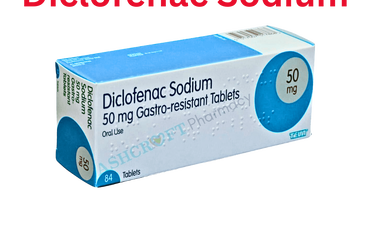
Diclofenac Sodium - Uses, Side Effects, and More - Ashcroft Pharmacy
By Mr Suhail Jamil

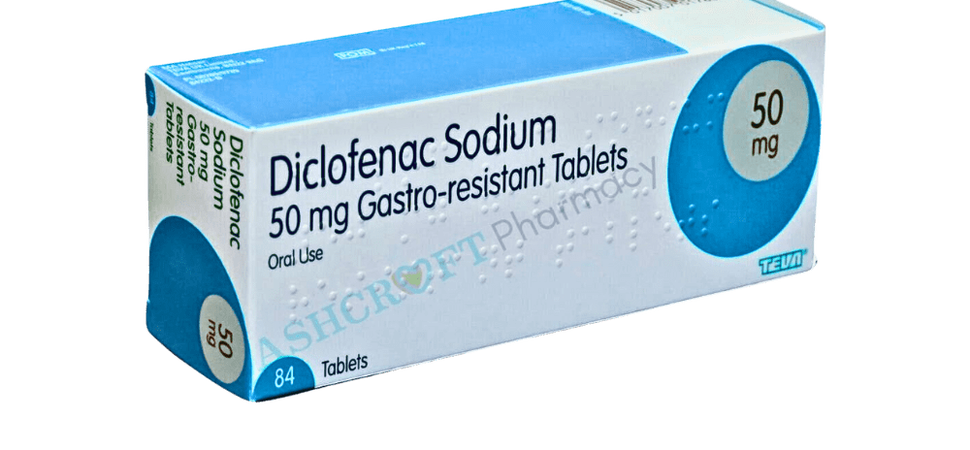
In the UK, Diclofenac Sodium is a commonly prescribed non-steroidal anti-inflammatory drug (NSAID) and is used to ease pain and reduce inflammation associated with arthritis, muscle injury, and post-operative pain. Diclofenac is available in several forms, including tablets, topical gels, and suppositories, and is commonly recommended for short-term use to manage acute pain or flare-ups of chronic conditions.
Diclofenac can be highly effective in relieving pain, but it is important to know its side effects and how to use it safely. This blog will help you look into the key uses of Diclofenac Sodium, the possible side effects, and other necessary information.
What is Diclofenac?
This widely used medicine is effective in reducing pain and inflammation, making it best for people who suffer from osteoarthritis, rheumatoid arthritis, and migraines. Diclofenac belongs to a drug class known as non-steroidal anti-inflammatory drugs (NSAIDs). Health authorities such as the FDA have approved diclofenac as a treatment for various types of pain and for swelling. It is available in a variety of forms to meet different people’s needs, including tablets, topical gels, injections, and suppositories, for localised or general relief from pain.
How Does Diclofenac Work?
Diclofenac inhibits the enzymes called COX-1 and COX-2 in the body. These enzymes release substances called prostaglandins that cause pain, swelling, and inflammation. By reducing the level of prostaglandins, this medicine turns down the volume on pain signals, easing discomfort. It works in the same way as other NSAIDs, such as ibuprofen or naproxen, however, Diclofenac is considered stronger, offering more targeted relief for joint and muscle pain.
How to Use Diclofenac Suppositories?
For safety and effectiveness, you must use Diclofenac suppositories properly. Here is a step-by-step guide:
- Wash your hands thoroughly before and after use to maintain hygiene.
- Store the suppositories as directed, such as in a cool, dry place, below 25 degrees.
- Empty your bowels before using your suppository.
- Lay on your side with your knees pulled up towards your chest.
- Gently push the suppository, end first, into the back passage (rectum) with the pointed end first using your finger. Push it in far enough that it does not slide out. Push as far as possible.
- Lower your legs and stay still for a few minutes.
- If you feel your body wants to expel the suppository, try to resist this. Lie still and press your buttocks together. It is important to allow the suppository to melt and fully absorb.
Suppositories should never be split or reused, as this can affect the dose and hygiene. In addition, do not use diclofenac suppositories without medical advice; using them in an incorrect or excessive way can cause side effects. Do not use Diclofenac with other NSAIDs, or do not continue to use it even if stomach or rectal discomfort occurs. Always follow your doctor’s instructions.
Diclofenac Dosage
The dosage of Diclofenac depends on your type and severity of pain. Its recommended dose is 75–150 mg daily in 2–3 divided doses. for pain and inflammation in rheumatic disease and other musculoskeletal disorders, and acute gout. Topical gels are usually applied 3–4 times a day, on the affected area. Elder patients, as well as patients with liver impairment, may be given lower doses or extended dosing intervals to minimise the risk of side effects. However, always follow your doctor’s exact guidelines.
What If I Miss a Dose?
If you forget to take your dose of diclofenac, take it as soon as you remember. If it is time for your next dose, skip the missed dose and take your next dose at your usual time. Do not take extra or double doses to make up for a missed one.
Will I Need to Take This Drug Long-Term?
Long-term use of diclofenac is used for chronic conditions such as arthritis, but only under medical supervision. If taken without regular check-ups, the risk of serious side effects will arise, including stomach ulcers, gastrointestinal bleeding, and heart problems. Never use diclofenac for long-term without your doctor’s advice.
Diclofenac Side Effects
The side effects of Diclofenac are:
Common Side Effects
Decreased appetite; diarrhoea; dizziness; gastrointestinal discomfort; gastrointestinal disorders; headache; nausea; rash (discontinue); vertigo; vomiting
Serious Side Effects
Its rare yet serious side effects are:
- Chest pain
- Shortness of breath
- Weakness on one side of the body
- Black or bloody stools
- Vomiting blood
- Signs of an allergic reaction, such as swelling of the face or throat, and a severe skin rash
- Heart problems such as stroke, heart attack, heart failure, or blood clots
- High blood pressure (hypertension)
- Gastrointestinal bleeding and ulcers
- Liver or kidney problems
- Irritability, confusion, or change in consciousness
If you experience any of these side effects, stop using the medication and get emergency medical help right away.
Diclofenac: Warning and Precautions
You must be aware of certain warnings and precautions before taking Diclofenac. This medicine is not suitable for those who have:
- A history of asthma, triggered by NSAIDs
- Heart disease
- Stomach ulcers
- Diabetes
- Severe liver or kidney disorders
- An allergic reaction to diclofenac or other NSAIDs
- High blood pressure or congestive heart failure (CHF)
- Are smokers, alcoholics, or debilitated (weak) patients
Also, Diclofenac can interact with other medications such as:
- Blood thinners (e.g., warfarin)
- Diuretics
- Some antidepressants
- Medications for high blood pressure
- Angiotensin receptor blockers
- Corticosteroids
- Lithium or methotrexate
A combination of Diclofenac with these medications enhances the risk of bleeding or other serious health complications. Diclofenac should always be taken only after consulting your doctor, especially if you have any existing health conditions or if you are taking any other medication.
Diclofenac: Pregnancy, Breastfeeding, and Fertility
Generally, Diclofenac is not recommended during pregnancy and in the third trimester because it can harm your unborn baby or cause complications during delivery.
However, if you are breastfeeding, you must consult your doctor before taking it, as there is limited data on how much Diclofenac can pass into breast milk. Topical preparations carry a warning to avoid during breast-feeding.
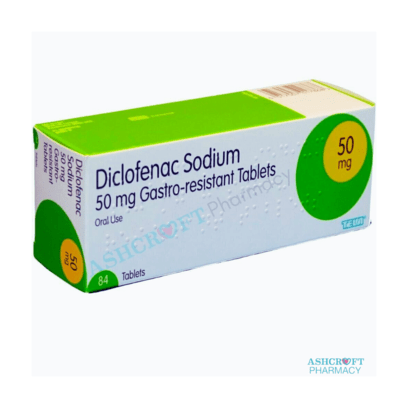
Diclofenac Sodium Tablets


Receive Tomorrow if you place order in next
Frequently Asked Questions
Is there any food or drink I need to avoid?
While on Diclofenac, you must avoid alcohol as it can increase the risk of stomach bleeding, irritation, ulcer, and liver problems. Try to take this medicine with food or milk to prevent stomach upset. Consult your doctor for dietary advice.
How long can you take Diclofenac?
Diclofenac must be taken for a short period to manage symptoms, particularly for a few days to weeks. For long-term use, it must be taken under medical supervision due to risks such as heart issues and stomach ulcers. Stick to your doctor’s guidelines on duration.
Can I buy Diclofenac over the counter?
Low-dose Diclofenac gel is available over the counter in the UK. For oral forms such as tablets, you need a prescription due to potential risks and side effects.
Where can I buy Diclofenac tablets?
In the UK, you can buy Diclofenac from reliable local and online pharmacies, including Ashcroft Pharmacy. Just fill out an online questionnaire, and we will dispatch your medicine to your doorstep in no time.
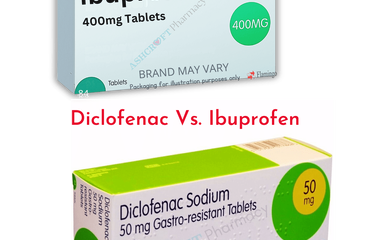
Diclofenac vs. ibuprofen: which is better?
Diclofenac is stronger and longer-lasting than ibuprofen, making it more effective for severe inflammation and pain like arthritis. Ibuprofen has fewer side effects and is safer for long-term use. Consult your doctor for personalized advice.
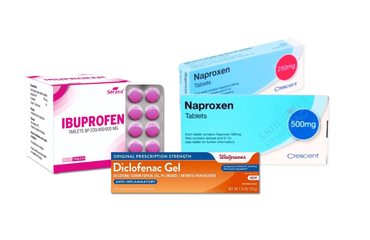
Is Diclofenac stronger than naproxen?
Diclofenac is slightly stronger and faster-acting than naproxen for inflammation and pain relief. Naproxen has a longer duration of action and is safer for long-term use. Consult your doctor to determine the right dose for you.
How long does Diclofenac take to work?
Diclofenac starts working within 20-30 minutes after you take it. Its full anti-inflammatory effect may take a few days of consistent use, especially for chronic conditions such as arthritis.
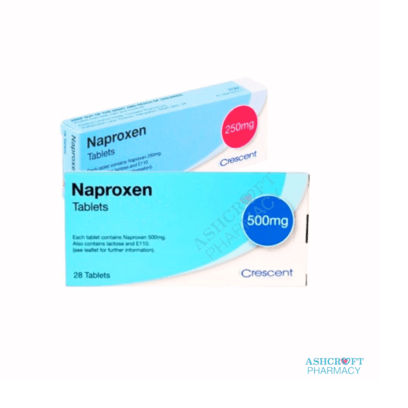
Naproxen Tablets (250mg & 500mg)
Receive Tomorrow if you place order in next
FAQ s
Can I drink alcohol while taking diclofenac?
Diclofenac interacts with alcohol. Taking the treatment can increase the risk of getting sore in your gastrointestinal tract or bleeding. Avoid taking alcohol when the doctor prescribes ou Diclofenac for pain.
Is there any food or drink I need to avoid?
Diclofenac dose can be taken with or without food. You may experience a mild side effect such as abdominal pain. However, if the severity of the symptom increases get further advice from your doctor.
When you experience mild symptoms such as nausea take the dose with a snack or food to reduce the symptoms.
What happens if I miss a dose?
If you have missed a dose, take it as soon as you remember but be careful not to take a double dose. If you stop taking Diclofenac 50mg before the dose is over, you may increase the side effects.
Can I buy diclofenac over the counter?
You may not find Diclofenac tablets over the counter in the UK, however, you can get a prescription for Diclofenac 50mg at Ashcroft pharmacy.
How long can you take Diclofenac?
You do not need to take diclofenac sodium tablets for a long term. The duration of the treatment depends on your condition.
Some conditions worsen with time specifically if fail to take treatment, therefore the doctor may recommend that you take the treatment for the long term.
Diclofenac vs ibuprofen which is better?
Diclofenac is stronger than Ibuprofen.Diclofenac dose can effectively treat arthritis when taken 2 to 3 times a day. If treating joint pain, you will need a higher prescription dose for Ibuprofen.
Which NSAID is stronger?Diclofenac or Ibuprofen?
Ibuprofen is a safe treatment for treating pain and fever, it's available over the counter. To take Diclofenac you must have a prescription from the doctor.
The doctor needs to examine your health condition first before prescribing Diclofenac sodium tablets.
Where can I buy diclofenac tablets?
You can buy diclofenac tablets online in the UK from Ashcroft Pharmacy. Simply complete a short consultation form to help our pharmacists prescribe the right dosage.
How long does Diclofenac take to work?
Diclofenac tablet or capsule will take 20 to 30 minutes to start working. Your doctor will prescribe the lowest dose for a short period to treat your symptoms such as pain and fever.
is diclofenac stronger than naproxen?
Naproxen Tablets (250mg & 500mg) are often considered more effective than than Diclofenac sodium for treating common conditions such as toothache, period pains, and arthritis while Diclofenac is the best pain reliever for treating arthritis pain.
Naproxen lasts longer than Diclofenac sodium tablets therefore you don't have to use the treatment more often.

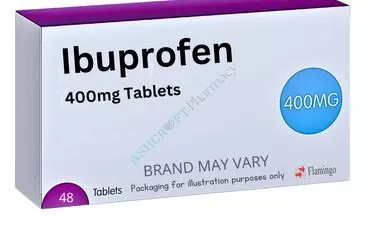
Ibuprofen 400mg Tablets
Diclofenac Sodium Tablets
Receive Tomorrow if you place order in next
Pain Relief medications
Related Articles
- 22nd December 2025
Diclofenac Sodium - Uses, Side Effects, and More - Ashcroft Pharmacy
Read Article