How to Prevent Back Pain and When to Consider Diclofenac?

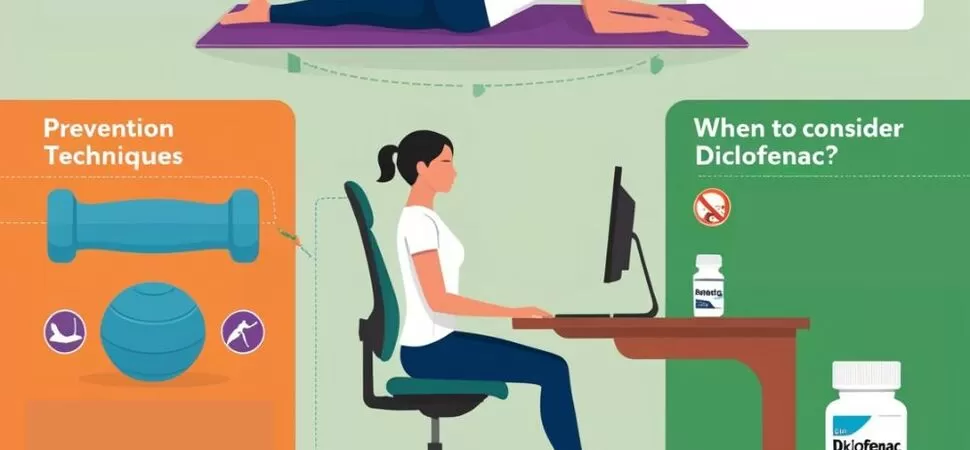
Back pain can be frustrating and debilitating, affecting millions of people worldwide. Sometimes, back pain resolves within a few hours or days on its own. Acute low back pain lasts for less than three months, whereas chronic low back pain lasts for three months or more. 60% of the adult population experiences low back pain at some point in their lifetime. Risk factors for back pain include obesity, physical inactivity, stressful life events and depression, as well as occupational causes (bending, lifting or twisting).
Chronic back pain interferes with your daily routine, including household chores, leisure, studies and sleep. It can lead to time off work, loss of employment and reduced productivity. It can also increase the risk of falls, especially in the elderly population. You can manage your back pain by knowing its common causes, treatment, home remedies, and preventive measures. Let’s discuss them in detail!
Causes of Back Pain — In-Depth Insights
Many factors, such as lifestyle changes, medical conditions, etc., cause back pain. Let’s explore more!
1. Bulging or Herniated Discs
The discs located in your spine are circular disks that act as shock absorbers between the spinal bones. When the soft material of these discs affects nearby nerves due to tear or injury, it results in bulging or herniated discs.
The symptoms of this condition are numbness, tingling, and sciatica (pain radiating down your legs).
2. Muscle Strains
Prolonged poor posture, lifting heavy objects, or sudden, improper movements can overstretch or tear the back fibres, resulting in muscle strain. The symptoms of muscle strain are pain worsened by movement, spasms, stiffness, and decreased mobility.
3. Degenerative Discs
As you age, the discs between your vertebrae lose their cushioning ability, resulting in disc degeneration and causing discomfort and pain. Everyone experiences some disc degeneration after the age of 40, but in some people, it can cause back pain. Symptoms include chronic lower back pain while standing or sitting.
4. Poor Posture
Prolonged poor posture, such as hunching (back is leaning towards something) or slouching (shoulders and upper back lean forward), causes strain in the back ligaments and muscles.
In this condition, you feel stiffness and chronic lower or upper back pain.
5. Spinal Stenosis
This condition occurs when the space around your spinal cord known as the spinal canal becomes narrow, putting pressure on nerves and the spinal cord. In spinal stenosis, you feel pain, numbness, weakness, and tingling in the arms, legs, and back.
6. Arthritis
Arthritis affects your joints in the spine and causes pain, swelling, inflammation, and stiffness in the back. You feel chronic back pain, especially in the morning.
7. Osteoporosis
Osteoporosis makes your bones weak and increases the risk of fractures, leading to sudden and severe back pain. This condition is more common in elderly people.
8. Injuries
Sports injuries, accidents, or falls sometimes damage your spine, ligaments, or muscles leading to chronic or acute back pain. In this condition, you feel bruising, swelling, or sudden onset of pain in the back.
Treatment of Back Pain — Complete Analysis
The treatment of back pain depends on the condition and severity of back pain. Its range of treatments include:
- Physical therapy
- Medications
- Home remedies
- Surgery
1. Physical Therapy
Physiotherapy effectively treats back pain, improving mobility, strengthening your back muscles, reducing back pain, and preventing future injuries.
A physiotherapist treats back pain and makes a program according to an individual's needs such as different types of exercises to improve posture, flexibility, and strength. It can include aerobic exercises, stretching and strengthening exercises, as well as manual therapies such as mobilisation, manipulation and massage.
Physiotherapy alleviates pain and lets you cope with daily activities with greater confidence and strength.
2. Medications
Whether you have acute or chronic back pain, your doctor may prescribe you medications, including over-the-counter or prescription drugs. These medicines alleviate upper back or lower back pain. So, what painkillers are best for back pain? Let’s indulge in it!
Anti-Inflammatory Tablets
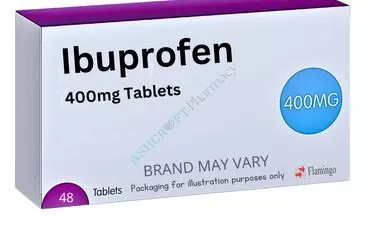
Anti-inflammatory tablets such as NSAIDs (nonsteroidal anti-inflammatory drugs) relieve back pain and reduce inflammation. Ibuprofen is the first-line NSAID for back pain.
These medicines block the synthesis of inflammation-causing chemicals and treat acute or chronic back pain. Paracetamol alone is not effective for back pain, as per guidance from the NHS.
However, you must use them according to your doctor’s advice and recommendations, as their excessive use may cause serious effects such as kidney, heart, or stomach problems.
- Topical Painkillers
Topical painkillers are effective and the first line of therapy for reducing inflammation and back pain. Topical options such as gels, creams, or patches are applied directly to the affected part of the skin to relieve pain.
These products contain many active compounds such as NSAIDs, capsaicin, lidocaine, or menthol that penetrate to your affected area and alleviate pain and inflammation without any systemic side effects.
Topical products are best for mild-moderate back pain relief; however, you must use them according to your doctor’s advice to prevent irritation or other side effects.
Over-the-Counter Drugs
Paracetamol and ibuprofen are effective OTC drugs for mild-moderate back pain relief without a prescription.
These drugs are effective for short-term pain management, helping you deal with your daily activities effectively.
However, consult your doctor before taking any medication to avoid stomach irritation (side effects of NSAIDs). You may need to take a gastroprotective medicine such as Lansoprazole alongside your anti-inflammatory medication.
Muscle Relaxants
Muscle relaxants such as methocarbamol and cyclobenzaprine act on your central nervous system, improving mobility, alleviating pain, and reducing muscle spasms and stiffness.
They relieve back pain resulting from muscle spasms or tension. Although effective, muscle relaxants are prescribed for the short term as they carry the risk of addiction, dizziness, or drowsiness.
So adhere to your doctor’s guidelines while using muscle relaxants to avoid adverse effects.
Home Remedies: Effective Strategies for Back Pain Prevention and Management
With preventive measures and lifestyle changes, you can manage your back pain and reduce the risk of developing it. Let’s jump into these strategies!
Rest
Sometimes you only need to rest to relieve back pain resulting from sports injuries or lifting heavy objects. Avoiding these activities and resting heals your back pain and lets you return to your daily routine.
Stretches
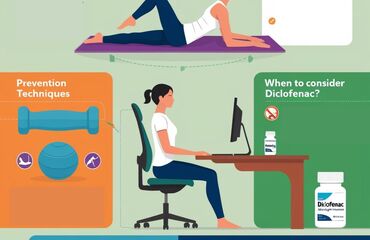
Stretching (like yoga or pilates) prevents and relieves back pain resulting from muscle strains. You can do stretching while watching TV or sitting at your desk by targeting either lower back pain or upper back pain.
Applying Cold
Applying ice reduces inflammation, treats sore back, and alleviates pain. You can do this by using a bag of frozen veggies or wrapping an ice pack in a thin towel.
Maintain a Good Posture
Poor posture puts pressure or strain on your back or spine muscles, causing discomfort and pain. So, avoid slouching, keep your feet flat, your back supported by the chair,
and your knees at a right angle while sitting, and while standing keep your head aligned with your spine. These effective measures will reduce pain and improve your health.
Wear Supportive Shoes
Wearing supportive shoes helps you maintain good posture and provide a good base for your body weight. For back pain management, you must wear good shoes or footwear with heels under 2.5 cm.
Apply Heat
Heat relaxes your muscles and reduces back pain. To apply heat, you can use a hot water bottle or sit in a hot tub to relax your muscles and promote healing.
Exercise
Exercise strengthens your muscles, enhances blood flow to the affected area, improves mobility, and promotes healing and good posture.
Engage in walking, cycling, walking, pelvic tilts, planks, and bridges to improve your cardiovascular health, strengthen your muscles, maintain a healthy weight, and reduce the strain on your back.
Massage
Massaging or therapeutic massaging to the affected area restores functionality, relieves back pain, and allows you to return to your daily activities effectively.
Maintain a Healthy Weight
Eat a balanced diet such as whole grains, lean proteins, fresh vegetables, and fruits. Also, engage yourself in regular exercise to maintain a healthy weight and avoid putting additional strain on your back.
Sleep on a Supportive Mattress
A supportive or firm mattress maintains the natural curvature of the spine and provides support and comfort while sleeping.
So sleep on your back and place a pillow between your legs or under your knees to reduce pressure on your spine and alleviate pain.
Use Ergonomic Furniture
Ergonomic furniture maintains your body’s natural posture and avoids the risk of discomfort and strain.
Use an ergonomic chair with support while prolonged sitting and adjust your computer screen, desk, and chair for proper alignment and reducing back pain.
Stay Well-Hydrated
Drink plenty of water, or 8 glasses a day, to maintain the elasticity of the spine’s soft tissues. Staying well-hydrated reduces your back pain and prevents the risk of future injury.
Surgery
If medications, physiotherapy, and lifestyle changes do not provide relief from back pain, surgical interventions such as spinal fusion, discectomy, or laminectomy are considered.
Surgery is best for patients suffering from severe and persistent back pain conditions like degenerative discs, spinal stenosis, or herniated discs.
Although surgical interventions are best, they carry the risk of nerve damage, blood clots, or infection. So consult your doctor and figure out whether surgery is best for you or not.
When Should You Seek Medical Attention and Consider Diclofenac?
When you are unable to manage back pain with OTC drugs and self-care, it is time to seek medical attention. Your doctor will suggest some tests,
evaluate the cause of your back pain, and offer treatment accordingly. So the signs to seek medical attention are:
1. Neurological symptoms:
If you are feeling tingling, weakness, or numbness in your buttocks, arms, or legs, you must consult your doctor, as it could be a sign of nerve damage or compression.
2. Severe pain:
If your pain is persistent or becoming worse, consult your doctor immediately, as it can be a sign of underlying health conditions such as a fracture, spinal stenosis, or a herniated disc.
3. Unusual weight loss:
If you experience sudden weight loss along with severe back pain, visit your doctor immediately as it can be a sign of cancer.
4. Loss of bowel or bladder control:
If you get sudden loss of bowel or bladder control along with back pain, seek emergency help as it can be a sign of cauda equina syndrome.
5. Fever:
If you experience chills or fever along with back pain, consult your doctor immediately, as it could be a sign of infection such as a spinal abscess or osteomyelitis.
When is Diclofenac the Best Option for Back Pain?
Diclofenac is a stronger nonsteroidal anti-inflammatory drug (NSAID) that is effective for the treatment of moderate-severe inflammation and pain.
It is available in various forms such as patches, gels, capsules, and oral tablets. So you must consider diclofenac in:
- Moderate-severe pain that is not treated by other milder painkillers.
- Inflammatory conditions such as rheumatoid arthritis, osteoarthritis, and ankylosing spondylitis.
- Topical use to treat localized pain such as back muscle or joint pain.
- Short-term treatment as its prolonged use can cause adverse effects.
How Diclofenac Treats Back Pain?
Diclofenac inhibits the synthesis of pain and inflammation-causing substances such as prostaglandins in the body, alleviating pain and inflammation.
It blocks cyclooxygenase (COX) enzymes and blocks inflammatory chemicals, reducing swelling, stiffness, and pain associated with back pain.
It is best for conditions such as muscle sprains, strains, or degenerative disc problems.
Side Effects of Diclofenac
Diclofenac can cause many adverse effects, such as:
GI (gastrointestinal) problems:
Diclofenac can cause stomach bleeding, discomfort, and ulcers. So you must take diclofenac with milk or food to avoid stomach irritation.
Heart issues:
Its prolonged use can enhance the risk of stroke or heart attack so if you have a history of cardiovascular issues, take diclofenac under a doctor’s supervision.
Liver and renal effects: If you have a history of kidney or liver problems, diclofenac can cause liver or kidney dysfunction.
Drug interactions:
Diclofenac can interact with other drugs such as other NSAIDs, blood thinners, or antidepressants. So inform your doctor if you are taking any other medicine before taking diclofenac to avoid serious effects.
Moreover, before taking diclofenac, it is important to consult your doctor and tell them about your medical history and recent condition.
This information will help him to determine the exact diclofenac dose for you, the duration of use, and whether diclofenac is best for you.
Diclofenac (Voltaren) Products for Back Pain Relief
Different diclofenac products are best for back pain relief, such as:
Diclofenac 25mg G/R tablets
Diclofenac 50mg G/R tablets
Voltarol Max strength pain relief
Voltarol Back and Muscle pain relief
- V
Diclofenac Back Pain Dosage
So, what is the maximum dose of diclofenac in 24 hours? The dosage of diclofenac depends on the type and severity of back pain.
For oral tablets, the recommended dose is 50 mg 2-3 times a day with a maximum dose of 150 mg per day. However:
- Doctors prescribe extended-release tablets that are taken one to two times a day.
- If you are using diclofenac topical gel, you must apply 2-4 g on the affected area four times a day.
- Besides this, it is important to adhere to the doctor’s advice for diclofenac dosage to avoid any side effects. Moreover, never exceed the recommended dose as it will cause serious complications.
Besides this, it is important to adhere to the doctor’s advice for diclofenac dosage to avoid any side effects. Moreover, never exceed the recommended dose as it will cause serious complications.
What Is a Good Alternative to Diclofenac for Back Pain?
If diclofenac is intolerable for you or it is causing any side effects, you must opt for diclofenac alternatives such as:
- Corticosteroid injections: These injections are best for severe pain and inflammation, offering significant relief.
- Alternative therapies: Chiropractic care, acupuncture, and massage therapy are also effective for back pain relief.
Wrapping Up
Back pain is a common issue; however, you can manage it effectively with the right medications, lifestyle changes, and preventive measures.
For acute back pain, OTC drugs are best, but in the case of chronic back pain, diclofenac is the best choice. Moreover, you must take diclofenac under your doctor’s supervision as its prolonged or irregular use can cause serious effects.
Frequently Asked Questions about Diclofenac Tablets
Can I Use Diclofenac for Back Pain? Can You Use Diclofenac Gel for Back Pain?
However, you must use it under your doctor’s supervision to avoid any adverse effects.
Diclofenac Tablets, are an effective anti-inflammatory drug and are best for back pain relief. It is the first line of therapy for the treatment of back pain, reducing pain and inflammation.
Is Diclofenac Better than Ibuprofen for Back Pain?
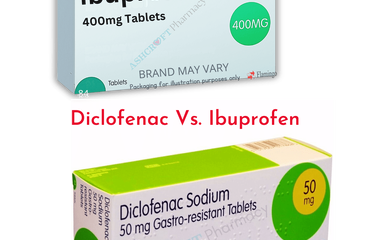
Both drugs are effective for back pain relief. Diclofenac is more potent than ibuprofen but is best for the short term, as it can cause serious effects. Ibuprofen is less potent, but it has a lower risk of side effects.
However, the choice depends on the patient's health condition and the doctor’s recommendation.
What Is the Best Cream for Lower Back Pain?
The best cream for lower back pain depends on the severity and cause of the pain. However, topical NSAID creams such as Voltarol are best for reducing inflammation and treating back pain.
It contains capsaicin or menthol, offering a cooling or heating sensation and improving your health.
Can You Take Diclofenac as Needed for Pain?
You can take diclofenac for short-term pain management. However, you must take it according to your doctor’s advice and recommendation, as it carries a higher risk of adverse effects.