Diclofenac Side Effects: Common and Serious Risks Explained
By Mr Suhail Jamil



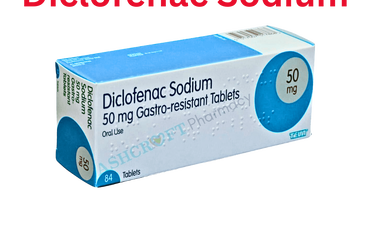
In the UK, Diclofenac is a commonly used nonsteroidal anti-inflammatory drug (NSAID), used to treat pain and inflammation associated with arthritis, sprains, and post-surgery recovery. In a nutshell, it lessens substances in the body that cause pain and swelling, making it the best choice for short and long-term relief from chronic conditions.
Like all medications, Diclofenac has side effects, ranging from mild symptoms to more serious health complications. This blog will help you be aware of these possibilities, particularly when you are using Diclofenac regularly or for a longer period.
Diclofenac Side Effects
Common Side Effects of Diclofenac
The most common side effects of diclofenac include:
- Dizziness
- Headache
- Diarrhoea
- Indigestion
- Nausea
- Mild rash
- Stomach discomfort
- Vomiting
- Gas
- Constipation
- Enhanced sun sensitivity
- Heartburn
- Sudden weight loss
These side effects usually occur when starting medication or taking it on an empty stomach. Fortunately, these side effects are usually mild and go away on their own when your body adjusts to the medication. Stomach-related symptoms can be reduced by taking Diclofenac with food or milk. However, if any of these side effects persist or worsen, consult your GP or pharmacist.
Serious Side Effects & Risks of Diclofenac
Diclofenac works well for pain and inflammation, but high doses or long-term use can cause adverse effects such as:
- Stomach ulcers and gastrointestinal bleeding with symptoms like black or bloody stools or persistent stomach pain.
- Kidney disease, especially in people with pre-existing kidney problems or elderly people.
- Heart failure with symptoms breathlessness, tiredness and swollen legs or ankles.
- Weakness on one side of the body.
- Allergic reaction with signs such as shortness of breath, severe skin rash, and swelling of the face or throat.
- Liver problems which presents with symptoms such as the whites of your eyes or your skin turning yellow (can be less obvious on brown or black skin).
- severe indigestion, heartburn or stomach pain, vomiting or diarrhoea – these can be signs of an ulcer or inflammation in your stomach or gut.
- High blood pressure (hypertension).
- Irritability, confusion, or change in consciousness.
Therefore, it is important to use diclofenac at the lowest effective dose for the shortest possible duration and only under medical supervision. However, if you get any of these side effects, seek medical help immediately.
Who Should Avoid Diclofenac?
Although effective, Diclofenac is not suitable for everyone. You should not take it if you have:
- A history of stomach ulcers.
- Gastrointestinal bleeding.
- Heart disease.
- Kidney problems.
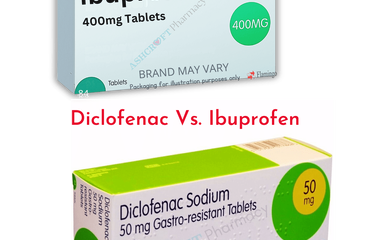
- An allergy to NSAIDs such as ibuprofen or aspirin.
- High blood pressure.
- During pregnancy, especially in the later stages of pregnancy.
Ask your GP or pharmacist before taking Diclofenac to ensure it is safe for your specific health circumstances, avoiding the risk of serious complications.
How to Use Diclofenac Safely?
You must use Diclofenac according to your doctor’s prescription and guidelines, such as:
- Take your medication with milk, food, or immediately after meals to reduce the risk of stomach irritation.
Do not take it on an empty stomach, as it can increase the chances of gastrointestinal discomfort or indigestion. - Use the lowest effective dose for the shortest duration to manage your symptoms. This reduces the risk of serious side effects, including stomach ulcers, kidney problems, cardiovascular problems, and so on.
- Do not take more than the recommended dose.
- If your symptoms persist or worsen, seek medical help.
When to Seek Medical Help
Although Diclofenac is well-tolerated, you must recognize the warning signs of serious side effects. You must stop taking this medicine and seek medical help if you notice severe stomach pain, black or bloody stools, chest pain, shortness of breath, swelling of the legs or ankles or difficulty breathing, as these symptoms may indicate serious complications like gastrointestinal bleeding, heart problems, or an allergic reaction. Always check with a doctor or call NHS 111 for guidance if there is any doubt about whether a symptom is caused by diclofenac.
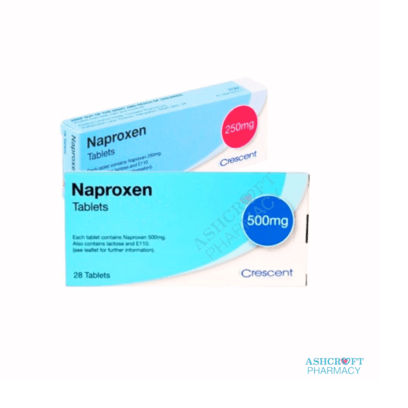
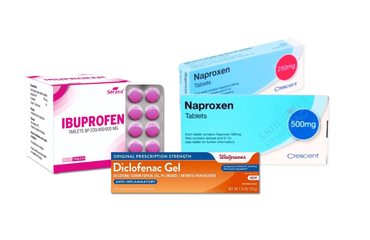
Naproxen Tablets (250mg & 500mg)
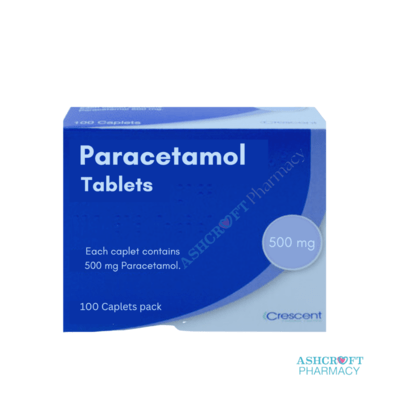
Paracetamol 500mg Tablets

Order Monday to Friday before 14:00pm to guarantee next day delivery
Pain Relief medications
Related Articles
- 22nd December 2025
Diclofenac Sodium - Uses, Side Effects, and More - Ashcroft Pharmacy
Read Article