The Truth About NSAIDs: Safe Use for Pain Management
By Mr Suhail Jamil



Non-steroidal anti-inflammatory drugs (NSAIDs) are usually used to alleviate pain and reduce inflammation and fever. They work by preventing the body from producing certain chemicals that are responsible for causing pain and inflammation. Ibuprofen, Naproxen, and Aspirin are common examples that can be purchased over the counter or through a prescription in the UK.
In the UK, NSAIDs are extensively used in treating disorders like arthritis and even simple headaches, muscle sprains, and menstrual cramps. Their ability to provide relief has made them popular drugs among people seeking swift and effective treatment for day-to-day pains, as well as chronic health problems. Let’s read about NSAIDs more!
How do NSAIDs work?
Cyclooxygenase (COX) enzymes produce prostaglandins, which cause inflammation, pain, and fever. NSAIDs block the activity of these COX enzymes and reduce inflammation, swelling, and pain.
COX-1 and COX-2 are the two main COX enzymes.COX-1 is present in most tissues. Inhibition of COX-1 is responsible for gastrointestinal toxicity. COX-2 produces prostaglandins that mediate pain and inflammation. Inhibiting COX-2 enzymes is responsible for the anti-inflammatory action of NSAIDs. Some NSAIDs block both COX-1 and COX-2, which leads to side effects, such as stomach irritation. On the other hand, selective COX-2 inhibitors, also called ‘Coxibs’, specifically target inflammation without disturbing the stomach.
Uses of NSAIDs
NSAIDs are used to treat:
- Chronic conditions such as rheumatoid arthritis and osteoarthritis
- Migraines, headaches, muscle pain, and toothache
- Post-surgical pain
- Fever and controlling inflammatory responses
Types of NSAIDs
The types of NSAIDs in the UK are:
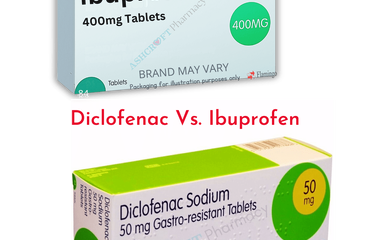
Ibuprofen (Nurofen)
This is the weakest NSAID and one of the most common medications prescribed and purchased over the counter for alleviating headaches, muscle aches, and even minor injuries. It is widely used to ease pain, inflammation, and fever.
Aspirin
It reduces inflammation and pain; also, the low-dose aspirin protects heart health by lowering the risk of blood clots.
Naproxen
Naproxen, with its longer-lasting effects, treats persistent pain conditions such as arthritis or severe menstrual cramps.
Diclofenac (Voltarol)
Available in tablet or topical gel form, diclofenac can be used to treat arthritis and other inflammatory joint conditions.
Celecoxib
It is a type of selective COX-2 inhibitor which is designed to target inflammation whilst minimising stomach-related side effects often associated with traditional NSAIDs.


Naproxen Tablets (250mg & 500mg)

Receive Tomorrow if you place order in next
Risks and Side Effects of NSAIDs
The side effects and risks linked with NSAIDs are:
- Gastrointestinal Problems: High doses or prolonged use may cause stomach lining inflammation, acid reflux disease, and internal bleeding, particularly in older adults.
- Cardiovascular Problems: Higher doses may increase the risk of stroke or heart attack.
- Kidney and Liver issues: Long-term usage can lead to poor kidney and liver functions, especially in those with pre-existing health conditions.
- Allergic or Anaphylactic Symptoms: Rarely, NSAIDs cause allergic reactions such as swelling, rashes, anaphylaxis, or difficulty in breathing. The person with these symptoms must seek emergency help immediately.
Who Should Avoid NSAIDs?
You should not use NSAIDs if you have:
- Acid reflux or stomach ulcers
- Kidney or liver disease
- High blood pressure
- Heart problems
- You are pregnant or breastfeeding
NSAIDs vs. Paracetamol
NSAIDs and paracetamol are analgesics that can aid in relieving pain, but they work in different ways for different types of pain. NSAIDs aid in inflammatory headaches, muscle injuries, or arthritis by reducing inflammation and alleviating pain. On the other hand, paracetamol mainly targets fever and pain and has little effect on inflammation.
Paracetamol is best for mild to moderate pain like tooth aches or headaches, especially in those wishing to avoid stomach and heart side effects associated with NSAIDs. The choice depends on your health condition and the kind of pain; consult your doctor for better advice.
Safe Use of NSAIDs
Like all drugs, NSAIDs have to be used with caution, paying attention to the dosage guidelines and the duration of intake. Stick to your prescription instructions, as taking too much can increase the risk of adverse effects. Take NSAIDs with food or milk to protect the stomach lining and mitigate the risks of irritation or ulcers. Before using NSAIDs, consult your doctor if you have any underlying health conditions or if you are taking any other medications, ensuring safe and effective administration.
Wrapping Up!
Although NSAIDs are effective in reducing inflammation, lowering fever, and alleviating pain, they carry some risks and side effects. You must use them responsibly to avoid kidney, heart, and stomach problems. Stick to your recommended dosage guidelines and consult your doctor if you have any health concerns. If used correctly, NSAIDs can be a reliable and safe tool for improving your overall quality of life.
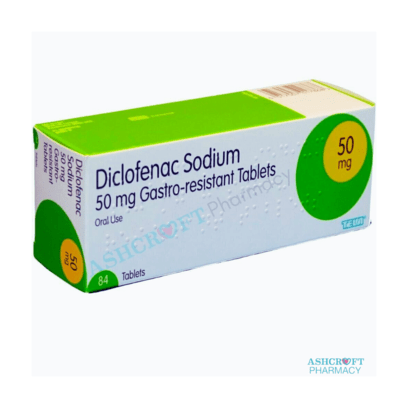
Diclofenac Sodium Tablets

Ibuprofen 400mg Tablets
Receive Tomorrow if you place order in next
Pain Relief medications
Related Articles
- 22nd December 2025
Diclofenac Sodium - Uses, Side Effects, and More - Ashcroft Pharmacy
Read Article