Weight Loss Medications During Ramadan 2026
By Mr Suhail Jamil

How to take weight loss medications during Ramadan?
Fasting during Ramadan becomes a challenge for those in the UK managing their weight with weight loss medications, particularly injectable medications like GLP-1 receptor agonists (Mounjaro, Wegovy, etc.). It is essential to understand how to continue therapy safely during Ramadan.
This article will help to determine the benefits, risks, and practical considerations of using GLP-1 medications while fasting during Ramadan 2026.
What medications can you use while fasting?
Islamic scholars agree that necessary medications, including weight loss injections, will not break your fast. These are essential medicines and fall under the same religious guidance as other vital medical treatments.
Weight loss injections and Ramadan
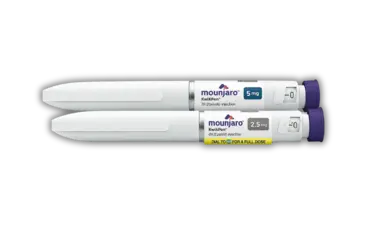
If you are using weight loss drugs, particularly GLP-1 receptor agonists, in Ramadan, you must administer them with extra precautions while fasting. Luckily, weight loss injections such as Mounjaro or Wegovy are administered once weekly, causing less disruption to your Ramadan routine.
Mounjaro or Wegovy while fasting during Ramadan?
You can take Mounjaro or other GLP-1s while fasting during Ramadan, as according to Islamic scholars and medical experts, necessary treatments do not break your fast until they come under the category of vital medical treatments.
Whether you should take weight loss injections during Ramadan or not depends on your health condition and medical advice. If fasting leads to dizziness, hypoglycemia, or weakness, consult your healthcare professional on how to continue with your treatment.
Moreover, medical professionals and Islamic scholars agree that your well-being should come first, and exceptions are made for individuals with health issues.
What are GLP-1s and how do they work?
Medications like Mounjaro, Wegovy, Ozempic, and Saxenda, which are GLP-1 receptor agonists, are highly effective in helping you manage both type 2 diabetes and weight loss. These injectable treatments for obesity work by slowing down your digestion, curbing your hunger, helping you feel satisfied for longer periods, and regulating your blood sugar levels.
Impact of weight loss medication while fasting
Fasting with weight loss injections may increase the risk of:
- Hypoglycemia (low blood sugar level), especially if combined with other diabetic medications. Its symptoms may include sudden sweating, shaking, trembling, feeling hungry, and dizziness.
- Nausea, slow digestion, bloating, or other digestive side effects, especially if eating large meals after iftar.
- Dehydration, since Ramadan involves long fasting hours and taking GLP-1 medications may reduce thirst and lead to dehydration.
- You must always consult your doctor before Ramadan to determine meal planning, hydration strategies, and medication dose adjustments to minimise the risk of adverse effects.
Weight-loss pills and fasting
If you’re taking prescription weight loss pills like Orlistat, Rybelsus, or Mysimba, you need to pause/adjust while you fast during Ramadan. Align their administration with suhoor (pre-dawn meal) and iftar (meal at sunset). If you have them during the daytime or during fasting hours, it will break your fast.
Most importantly, you need to speak to your specific doctor about those medications to know their safety and effectiveness while fasting. Always follow medical advice in order to keep on track with weight loss goals and health in Ramadan.
What if I want to pause weight loss medications during Ramadan?
If you want to pause appetite control medications while fasting, it is essential to speak with your healthcare provider first. Some appetite suppressant medications or weight loss drugs, such as Wegovy, Ozempic, etc., impact your blood sugar level, digestion, and appetite, ultimately affecting fasting. If you stop taking them suddenly, it will lead you to increased hunger, weight gain, or changes in your blood sugar level.
Consulting with your doctor will give you the best advice about dose adjustments, temporarily stopping safely, or switching to a different schedule, ensuring healthy weight loss during Ramadan.
What if I want to continue taking weight loss drugs during Ramadan?
If you want to take weight loss medications while observing Ramadan, figure out how they fit within fasting hours. Prescription weight loss injections require specific timing, such as before meals or at regular intervals, which may be a challenge while fasting. Consult your doctor to determine dose adjustments and the best time to take weight management treatments, such as during Suhoor or Iftar.
Best practices for using Mounjaro or other GLP-1s during Ramadan
If you want to take weight loss treatment with minimal side effects during Ramadan, follow these tips:
1. Speak with your healthcare provider
Consult your healthcare provider to determine whether taking weight loss medications during Ramadan is safe for you. If ok, they will adjust your dosage and medication schedule and address concerns regarding fasting and medication use.
2. Adjust your injection timing
- The best time to take weight loss medication in Ramadan is during non-fasting hours, either before suhoor or after iftar. You can inject your medicine when you break your fast, during the time of maghrib prayer, or before you start eating. This strategy will minimise the risk of adverse effects and help you stay on track without disrupting your fast. Stay consistent, stick to your prescription, and take your medication on the same day each week at roughly the same time (once weekly or once daily).
3. Maintain balanced meals
If you are taking weight loss medications during Ramadan, eat a healthy, balanced diet such as:
- Iftar: Eat light foods such as soup and dates, protein-rich foods such as chicken & whole grains, and fibre-rich foods such as fresh vegetables before consuming complex carbohydrates and healthy fats.
- Suhoor: Consume high-protein and high-fibre meals to stay full for longer.
GLP-1 obesity medications mostly cause side effects related to the digestive system, such as nausea, diarrhoea, constipation, and vomiting.
To avoid these risks and ensure your bowel habits remain healthy, avoid processed sugar and calorie-dense meals at suhoor and iftar and drink plenty of water.
4. Stay hydrated
- GLP-1 medications can increase the risk of dehydration while fasting. So, while taking obesity treatment injections during Ramadan, drink plenty of water and consume hydrated foods such as watermelon, yoghurt, and cucumbers between suhoor and iftar. Coconut water is also the best option to replenish lost fluids and electrolytes. Limit caffeinated beverages as they can lead to dehydration.
5. Avoid increasing your dose
If you are taking weight loss medications during Ramadan, stick to your prescribed dose. If you increase your dose while fasting, it will cause serious effects that are harder to deal with while fasting. If you have any queries regarding increasing or decreasing your dose, consult your doctor for personalised advice.
6. Monitor side effects
While taking weight loss medications during Ramadan, if you notice nausea, dizziness, weakness, headache, or any other sign of low blood sugar level or dehydration, consult your GP immediately. You may also experience some serious side effects, such as:
- Dark urine
- Mood changes
- Sweaty skin
- Rapid heartbeat or breathing
- Confusion or disorientation
- Very dry mouth, skin, and mucous membranes
- Sunken eyes
- Low blood pressure
- Blurred vision
If you experience any of these effects, break your fast and seek immediate medical help to avoid further complications.
7. Listen to your body
If you are struggling to maintain energy levels and taking medications while fasting causes severe side effects, consult your doctor. Also, Islam allows exemption from fasting for medical reasons, so prioritise your health.
Can I exercise while fasting on weight loss medications?
Exercise is crucial for weight loss, and stopping it can affect your weight loss goals. So, you can exercise while fasting on weight loss medications; however, you must do it safely. Choose low-moderate workouts such as walking or light strength training before suhoor or after iftar. This will replenish your energy and avoid the risk of dehydration or fatigue.
You should not start a new exercise program during Ramadan or do not overexert yourself, as it can lead to exhaustion or injury.
Ramadan weight loss plan
Some useful tips for Ramadan fasting while on weight loss injections include:
Begin with a gentle iftar
At Iftar, break your fast with water, fruits, and a small serving of dates to replenish your energy level, raise your blood sugar levels, and restore hydration after a long period without water or food. Weight loss medications suppress appetite, so avoid overeating and focus on a gentle iftar to avoid the risk of adverse effects.
Pause for Maghrib prayer
After iftar, pause for Maghrib prayer, letting your body start digestion and develop natural satiety signals. This break also prevents overeating and controls your hunger during the subsequent main meal.
Choose healthier cooking methods
At Iftar, prepare food with healthier cooking methods such as baking, grilling, or air-frying. It will savour your taste buds at iftar and keep your weight loss goals on track. Avoid deep-frying kebabs, samosas, and crispy pakoras. Although these foods look tempting, they contain unhealthy fats and refined carbohydrates and lead to digestive discomfort and a feeling of sluggishness.
Embrace mindful eating
It is natural to feel hungry after hours of fasting. However, you must practice mindful eating habits at iftar and in non-fasting hours. Do not skip your pre-dawn meal and consume fibre-rich and protein-rich foods. This way will aid digestion and prevent overeating.
Prioritize sleep
Weight loss medications and fasting can affect your energy level and metabolism, so get enough rest and good-quality sleep to maintain your overall health.
What do medical experts say about fasting while using weight loss medications?
Diabetes specialists and endocrinologists have evaluated the use of GLP-1 weight loss injections (Mounjaro, Wegovy, Saxenda, etc.) during Ramadan. According to the study, these medications are safe and can be used while fasting due to their greater weight reduction and low risk of causing hypoglycemia.
Another study indicated that combining GLP-1 agonists with moderate exercise during Ramadan can effectively reduce body mass index and improve overall health. However, the individual responses vary; consult your doctor for personalised advice.
Final thoughts on Ramadan and weight loss medication
Mounjaro, Wegovy, Saxenda, and other GLP-1 medications are effective and safe to use for weight loss while fasting in Ramadan. However, you must adjust the dosage timing with proper planning and medical consultation to avoid the risk of adverse effects. Maintain your injection timing, eat a balanced meal, monitor side effects, and stay well-hydrated for optimal results.
If you have any queries about using medication for rapid weight loss while fasting, contact us at Ashcroft Pharmacy or your doctor for personalised advice, ensuring health and well-being in this holy month.
Have a blessed Ramadan Kareem!
Sources
Ramadan Rules, Muslimaid.
Glucagon-Like Peptide-1 (GLP-1) during Ramadan: Narrative Review of the Published Literature, NCBI.