Why My Asthma Gets Worse in Winter
By Mr Suhail Jamil


WHAT IS ASTHMA?
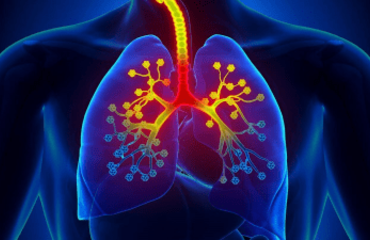
Asthma is a long-term breathing problem with variable symptoms including wheeze, cough, breathlessness, noisy breathing and chest tightness. You may experience some or all of these symptoms. Symptoms are usually episodic and vary with time and in intensity. For example, they may be worse at night, on waking, or seasonal. Symptoms can be triggered or exacerbated by exercise, crying, respiratory tract infections, changes in temperature or humidity, smoke and allergens, or use of certain medication. (nonsteroidal anti-inflammatory drugs (NSAIDs) or beta-blockers).
TYPES OF ASTHMA
- Atopic asthma: This is triggered by allergens like pollen, pets and dust mites. A skin prick or blood test can determine if you have atopic (allergic) asthma.
- Non atopic asthma: Also known as non-allergic asthma. This is asthma which is not triggered by allergens such as dust mites, pollen or pets. This is usually triggered by air pollution, damp, cold, stress, smoking, and recreational drugs.
- Seasonal asthma: Some individuals will only get asthma at certain times of the year such as hay fever season (late March – September) or winter when the weather is cold.
- Occupational asthma: Occupational asthma refers to asthma which occurs in a person of working age with new symptoms, reappearance of childhood asthma or unexplained symptoms. They are usually employed in a high-risk job, and symptoms improve during holidays or when they are away from work. High-risk jobs include baking and food-handling; cleaning and healthcare work; chemical processing; foam, plastic, textile, and rubber manufacturing; laboratory animal, farming, and veterinary work; spray painting; welding, metalwork, and soldering; and woodworking. An estimated 5–20% of new cases of adult-onset asthma are due to occupational exposure.
Why Asthma Gets Worse in Winter: Causes & Tips for Relief
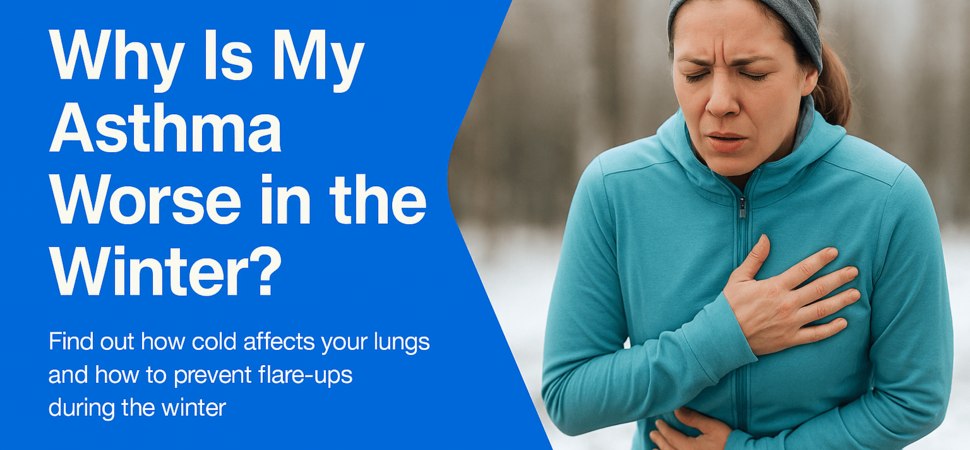
Asthma can become significantly worse during the cold months due to several reasons:
| Factors | |
| COLD AIR | When an asthmatic individual breathes in cold air, it makes the muscles inside spasm whilst trying to keep the airways open. This makes it difficult for air to move in and out of your lungs, resulting in a number of symptoms including wheezing, coughing, and shortness of breath. Cold air increases the amount of mucus in your airways, making it harder to breathe. |
| INDOOR ALLERGENS | Spending more time indoors in winter can make you more prone to allergens such as dust mites, mold, and pet dander. Mold spores also trigger asthma often growing in wet areas like bathrooms and kitchens. : Dust mites like warm dry places so heated homes become perfect spots for them to build up in carpets, bedding, and furniture. You can even find them on holiday decorations, like Christmas trees stored in damp places. Also, pet dander gets more concentrated inside during cold months, which increases the chance of allergy-caused asthma flare-ups. |
| AIR POLLUTION | Indoor heating systems and fireplaces can pollute the air which triggers asthma. |
People with asthma need to take extra precautions during the colder months. Let’s shed more light on how you can get relief from asthma during the winter.
Keep warm
wear a scarf or mask when going outside to prevent sudden cold air exposure which can trigger your symptoms. Before stepping out, wrap a warm scarf around your nose and mouth. Before inhaling, breathe through the scarf to warm the air. Choose breathable fabrics such as cotton or fleece to prevent irritation.
Flu vaccine
Get your yearly flu vaccine and practice good hygiene.
Medication
Follow your personalized asthma treatment plan as advised by your doctor or asthma nurse.
Use a humidifier
Humidifiers add moisture to the air which can improve the air quality and consequently prevent symptoms. Regularly clean humidifiers to prevent mold growth.
Regular Cleaning
Regular cleaning is necessary to minimize exposure. This includes washing bed sheets in hot water and using covers that block allergens. Buying HEPA filters for air purifiers and vacuum cleaners can trap tiny bits, lowering airborne allergens. When you bring out holiday decor, clean off artificial trees and ornaments. Also, shake real Christmas trees before you set them up to lower mold exposure.
Hydration
Do not forget to drink plenty of water as hydration benefits are keeping your airways moist and reducing mucus buildup.
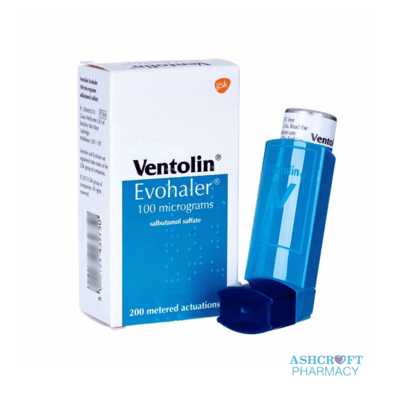
Ventolin (salbutamol) | Asthma Inhaler
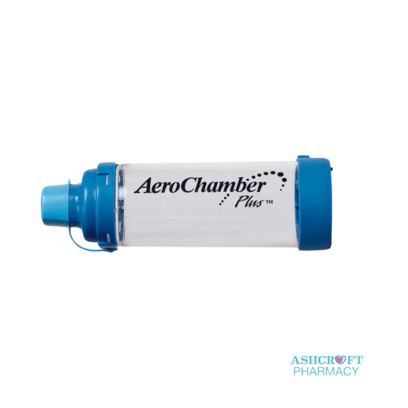
Aerochamber Plus Spacer

Receive Tomorrow if you place order in next
Symptoms of An Asthma Flare-Ups
Asthma symptoms remain the same regardless of the season, therefore winter flare-ups will have the same symptoms as any other time of the year. However, winter has more triggers such as cold, dry air, respiratory infections, seasonal allergies, and sudden temperature changes. The symptoms are:
- Chest tightness
- Persistent cough
- Wheezing
- Increased mucus production
- Shortness of breath
- Frequent nighttime symptoms (an exacerbation of asthma at night, also called Nocturnal asthma).
Recognizing early symptoms can prevent asthma attacks and keep symptoms under control. Signs that indicate your asthma is getting worse include increased use of a rescue inhaler and low peak flow meter readings.
INHALERS
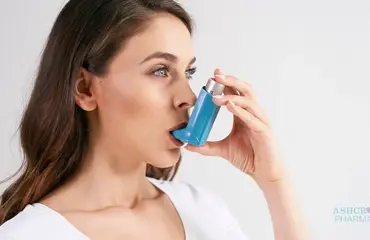
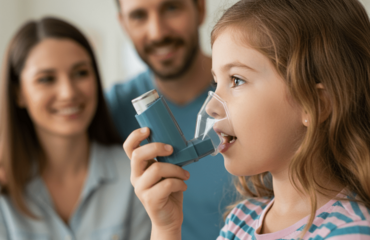
Using inhalers the right way plays a key role in handling winter asthma and stopping flare-ups. You can visit the following website to determine how to use your individual inhaler. The technique will differ depending on which inhaler you have been prescribed.
https://www.asthmaandlung.org.uk/living-with/inhaler-videos
What is an asthma action plan?
An asthma action plan makes it easier to manage your asthma, therefore you will be less likely to need hospital treatment.
Your asthma action plan tells you which medicines to take every day, what to do if your asthma symptoms get worse and what to do if you have an asthma attack.
If you do not already have an asthma action plan, you can download it via the following link, and take it to your next appointment with your GP or nurse. Your GP or nurse can write your asthma plan with you.
https://www.asthmaandlung.org.uk/conditions/asthma/manage/your-asthma-action-plan/download
Emergency Signs
- Cyanosis: Bluish discoloration of the skin, lips, and nail beds due to lack of oxygen.
Drowsiness or exhaustion: Excessive sleepiness or fatigue. - Poor respiratory effort: Difficulty breathing, using accessory muscles, or gasping for air.
- Confusion: Disorientation or impaired mental state.
- Hypotension: Low blood pressure.
- Silent chest: Absence of wheezing due to severely narrowed airways.
- Oxygen saturation <92%: Indicates low oxygen levels in the blood.
- PEF (Peak Expiratory Flow) <33% predicted or best: Reduced ability to forcefully exhale air.
- Inability to complete sentences in one breath: Difficulty speaking due to shortness of breath.
Your doctor might also suggest tweaking how you use your inhaler or medications to keep your asthma in check. Taking steps to update your treatment plan can help you breathe better and avoid symptoms all winter long.
Helpful Resources for Winter Asthma Management
Asthma UK
https://www.asthma.org.uk
Offers expert guidance, downloadable asthma action plans, and tips for coping with seasonal triggers.
NHS Asthma Overview
https://www.nhs.uk/conditions/asthma
A reliable guide to understanding asthma, treatment options, and when to seek emergency care.
Centers for Disease Control and Prevention (CDC) – Asthma
Public health data, asthma triggers, and prevention strategies for adults and children.
FREQUENTLY ASKED QUESTIONS
Why did my asthma come back?
Asthma might come back due to things like cold weather, allergens, respiratory infections, or being around more irritants such as smoke or dust. Changes in seasons, stress, or stopping your medicine too soon can also bring back symptoms. Getting a pre-winter check up helps to adjust your treatment plan and stop flare-ups before they start.
Is steam inhalation safe for asthma in winter?
Steam inhalation has an impact on loosening mucus, but some people with asthma may experience airway irritation and worsening symptoms from hot steam. If you decide to try it, limit your sessions and avoid overly hot steam. Warm mist inhalation with moderate humidity offers a safer way to manage winter asthma symptoms.
Are masks helpful for asthma in cold weather?
Masks can benefit asthma sufferers in cold weather by warming and adding moisture to the air before it enters the lungs, which helps to reduce chest tightness and wheezing. Wearing a breathable fabric mask or a medical mask can also block irritants like dust and pollen making outdoor breathing easier.
Does vaping make asthma worse?
Vaping has an influence on asthma making it worse. It irritates the airways, causes more inflammation, and sets off symptoms like wheezing and shortness of breath. The chemicals in vape aerosols also decrease lung function and lead to more frequent asthma attacks. People with asthma should avoid vaping to protect their health.