Best Antibiotics for Acne: Exploring Effective Acne Treatments
By Mr Suhail Jamil



Acne is one of the most common skin conditions affecting people of all age groups, but most particularly people in their teens and early twenties. Blackheads, pimples, whiteheads, and lumps like deeper cysts can appear. These are blemishes caused when hair follicles become blocked with oil and dead skin cells, creating an optimal environment for bacteria to thrive, grow, and cause inflammation.
Antibiotics are prescribed for managing moderate to severe acne. These medications target acne-causing bacteria, alleviating swelling and redness linked with inflammation. Antibiotics are available both topically and orally, depending on the type of acne and its severity.
Types of Antibiotic Treatments for Acne
The types of antibiotic treatments for acne are:
Topical Antibiotics
Often, the topical antibiotics are used to treat mild to moderate acne by directly applying medication to the affected skin. If clindamycin or erythromycin is prescribed, it will help reduce the number of these acne-causing bacteria while calming inflammation. Combined with other agents such as benzoyl peroxide, these treatments are usually implemented to increase their effectiveness and prevent antibiotic resistance.
Oral Antibiotics
For the treatment of moderate to severe acne, oral antibiotics are widely used, particularly when topical treatments alone are not sufficient. The most commonly prescribed medications are tetracycline-based antibiotics, including oxytetracycline, doxycycline, and lymecycline.
These medications can help reduce the number of acne-causing bacteria, but also help to relieve inflammation from within. Moreover, they are coupled with topical treatments, for example, retinoids or benzoyl peroxide, to enhance efficacy and reduce bacterial resistance. The duration of treatment may vary, depending on how the skin responds, but most cases last several weeks to a few months.
Considerations and Side Effects
Antibiotics for acne ought to be considered for both effectiveness and safety. Antibiotic resistance is one major concern since the medicine can be ineffective if not taken as prescribed or used for too long. If you stick to the recommended treatment duration, this risk can be reduced. Like any medication, antibiotics have the potential for side effects, which may include: gastrointestinal symptoms such as nausea or upset stomach, increased photosensitivity, and in rare cases, an allergic reaction.
Moreover, not all antibiotics are suitable for everyone. Tetracycline-based antibiotics, for example, need to be avoided in pregnant or nursing mothers and children under 12 years because they can affect bone and tooth development. Before embarking on any treatment, consult your healthcare professional to determine which option is safe for you.
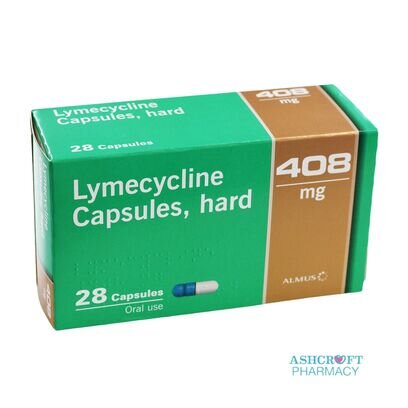
Lymecycline 408mg Capsules
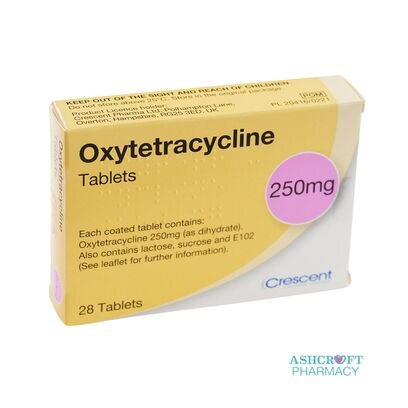
Oxytetracycline 250mg Tablets

Receive Tomorrow if you place order in next
Alternative and Complementary Treatments
The management of acne includes several alternative and complementary treatments in addition to antibiotics, such as:
Topical retinoids like tretinoin are used to help unclog pores and promote skin cell turnover, and to treat skin, especially when used with antibiotics, for better results.
An over the counter option such as benzoyl peroxide kills acne-causing bacteria and helps prevent antibiotic resistance when used with topical or oral antibiotics.
Also, for some individuals, particularly females, hormonal treatments, including certain birth control pills, can help regulate hormones that contribute to acne.
Before using any of these treatments, consult your doctor for a tailored treatment plan, depending on the severity and causes of the acne.
Let’s Wrap Up!
Although antibiotics can be an effective part of acne treatment, it is important to consult with a healthcare provider for a better approach to your particular skin needs. Sometimes, the best results come from a comprehensive strategy such as combining antibiotics with other treatment options such as benzoyl peroxide, topical retinoids, hormonal therapy, lifestyle adjustments, and healthy skincare habits. However, with the right guidance and consistency, the task of managing acne is taken out of the bag.
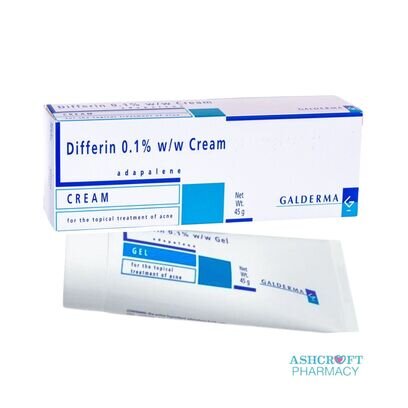
Differin 0.1% Cream/Gel | Treat Acne
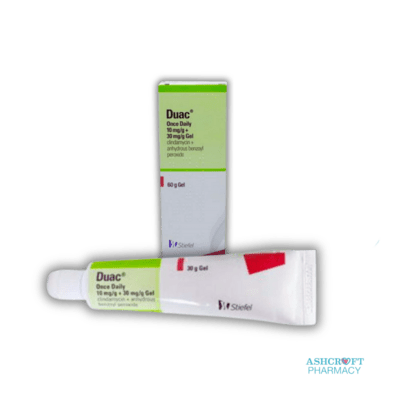
Duac Gel
Receive Tomorrow if you place order in next