How and When to Use a Salbutamol Inhaler
By Mr Suhail Jamil


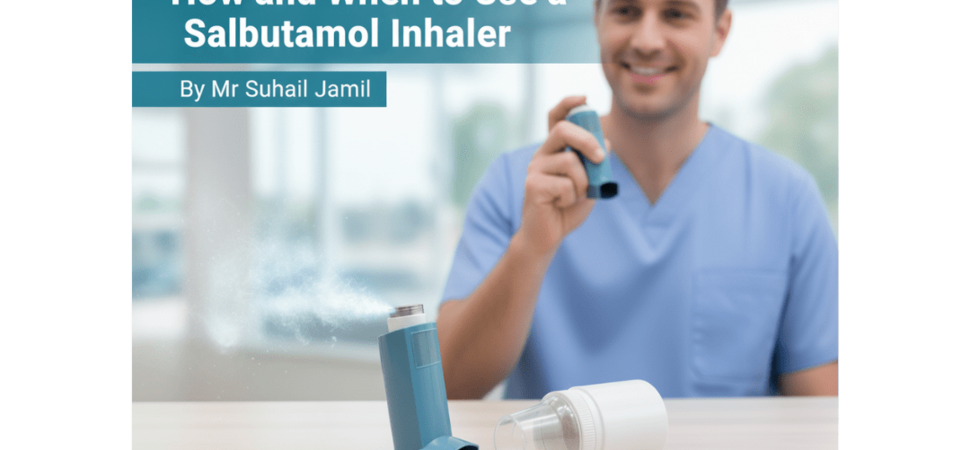
Inhalers, especially Ventolin (salbutamol), are widely and effectively used within the UK for alleviating asthma and other breathing difficulties. They work quickly by relaxing the muscles of the airways. This makes breathing easier during episodes of wheezing, shortness of breath, or chest congestion. Salbutamol inhalers, also called "reliever" inhalers, are a crucial part of a standard asthma action plan.
They are typically coloured blue to be easily distinguished. Knowing when and how to properly use a salbutamol inhaler is essential to control symptoms and ensure overall respiratory health. Whether you are newly diagnosed with asthma or have been managing it for years, using the correct technique can significantly improve your daily comfort and reduce the frequency of emergencies. This blog will provide practical tips tailored for patients in the UK.
Are Ventolin inhalers considered steroids?
Steroids are not present in Ventolin. Ventolin contains the active ingredient salbutamol (also known as albuterol). As a sympathomimetic bronchodilator, it works by relaxing the smooth muscle in the airways. This improves airflow into and out of the lungs, making breathing easier.
Safety Tips and Side Effects of Salbutamol inhaler
It is important to follow the prescribed dosage when using a Salbutamol inhaler, which typically should not exceed 4 puffs within a 24-hour period unless directed otherwise by a healthcare professional. Common side effects may include tremors, palpitations, nervousness, or headaches.
These side effects are usually mild and temporary, often resolving without treatment. However, excessive use can lead to serious complications such as increased heart rate, reduced effectiveness due to tolerance, and worsening respiratory symptoms — all of which may signal poorly controlled asthma or COPD.
Additionally, salbutamol should be used cautiously in individuals with heart disease, high blood pressure, diabetes, or hyperthyroidism, as it may aggravate these conditions. Always consult your doctor before adjusting your dosage or treatment plan.
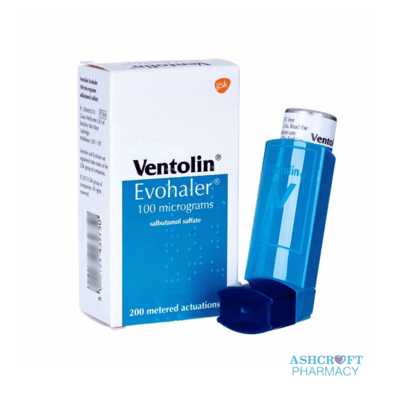
Ventolin (salbutamol) | Asthma Inhaler
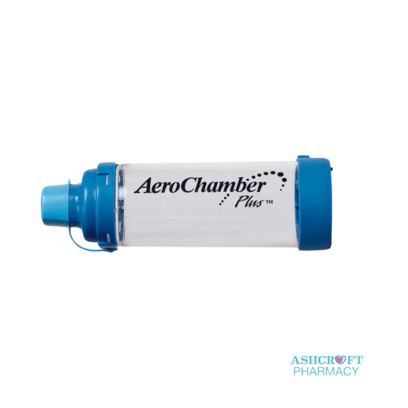
Aerochamber Plus Spacer

Order Monday to Friday before 14:00pm to guarantee next day delivery
Step-by-Step Guide: How to Use a Salbutamol Inhaler Correctly
Proper inhaler technique is essential to get optimal benefits and avoid side effects. Follow these steps to use your inhaler correctly and safely:
- Shake the inhaler well for 5-10 seconds to ensure the medication is mixed properly.
- Remove the cap and ensure the mouthpiece is clean.
- Breathe out fully (exhale) away from the inhaler to empty your lungs.
- Place the mouthpiece in your mouth and seal your lips tightly around it.
- Press down firmly on the canister once to release a puff of medication while breathing in slowly and deeply through your mouth.
- Remove the inhaler from your mouth and hold your breath for about 10 seconds (or as long as comfortable) to allow the medication to settle in your lungs.
- Exhale slowly away from the inhaler. If another puff is needed, wait about 30 seconds and repeat steps 1-7.
Using a Spacer Device (if prescribed):
- Remove the inhaler cap and shake the inhaler well. Attach it to the spacer device.
- Breathe out fully (exhale) away from the spacer. Place the spacer's mouthpiece in your mouth and seal your lips around it.
- Press the inhaler canister once to release medication into the spacer. Breathe in slowly and deeply through the mouthpiece.
- Remove the spacer from your mouth and hold your breath for about 10 seconds (or as long as comfortable).
- Exhale slowly away from the spacer. If another puff is needed, wait 30 seconds and repeat.
Common Mistakes to Avoid:
- Not shaking the inhaler before use.
- Inhaling the medication too quickly or too slowly after pressing the canister.
- Failing to wait between puffs.
- Not holding your breath after inhalation.
- Not rinsing your mouth (especially after using a corticosteroid inhaler) (while not essential with salbutamol, this is still good hygiene).
How Does a Salbutamol Inhaler Work?
Bronchospasm (the sudden tightening of the airways) can make breathing significantly more difficult. This is particularly noticeable during asthma attacks or COPD episodes. Salbutamol, a reliever inhaler, works by stimulating beta-2 adrenergic receptors in the airway's smooth muscles. This causes them to relax, resulting in bronchodilation (widening of the airways).
While Salbutamol provides fast relief during respiratory distress, its effects are short-lived. In contrast, "preventer" inhalers containing corticosteroids are used regularly to minimise inflammation and prevent symptoms long-term. Although preventer inhalers provide long-term protection, they do not offer the rapid relief that Salbutamol does.
Aerochamber Plus Spacer
Ventolin (salbutamol) | Asthma Inhaler
Order Monday to Friday before 14:00pm to guarantee next day delivery
What is Salbutamol? Understanding a Rescue Inhaler
Salbutamol, or albuterol as it is known in some regions, is a rescue inhaler and short-acting beta 2 agonist (SABA). It is typically used for quick relief from breathing problems. Salbutamol works by relaxing the muscles of the airways, which makes it easier for air to flow into the lungs. It is primarily used to treat and manage asthma and chronic obstructive pulmonary disease (COPD). Salbutamol offers quick relief within minutes during sudden bouts of wheezing, chest tightness, or shortness of breath. This makes it vital for immediate or emergency use. The most common brand name for Salbutamol is Ventolin.