Sustainable Weight Management - Ashcroft Pharmacy
By Mr Suhail Jamil


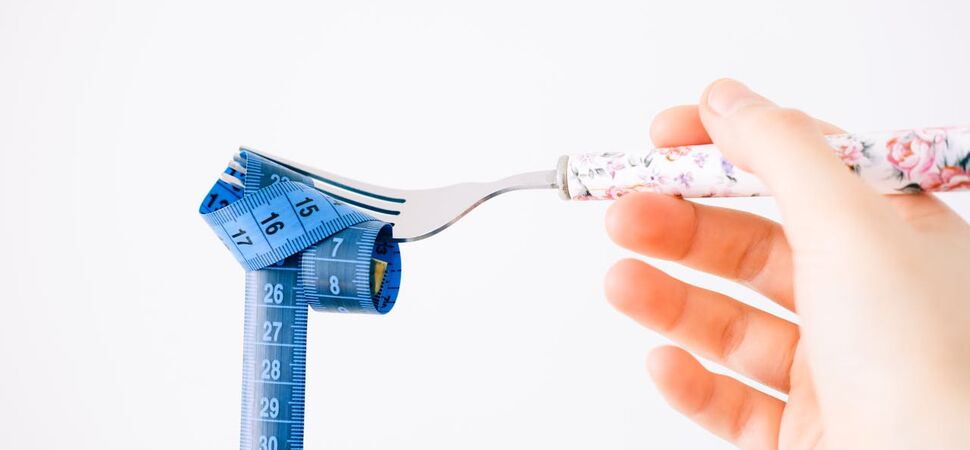
Managing weight effectively involves adopting sustainable, healthy habits that fit into your real life. Long-term success stems from simple, consistent changes rather than quick fixes or drastic measures.
With a vast amount of often contradictory advice available, it is easy to feel lost. Whether your goal is to lose weight, gain weight, or maintain your current weight, understanding the principles of weight management is key. Before starting any plan, it helps to ask yourself, “Why do I want to manage my weight?” Identifying your core motivation—whether it is one of the reasons below or something else—can help you stay focused:
- To feel more energetic
- Improve mobility
- To reduce your risk of chronic diseases (like type 2 diabetes or heart disease)
- Keeping this in mind can help you stay motivated.
What is Weight Management?
Weight management means adopting a long-term, healthy lifestyle approach to achieve and maintain a body weight that is healthy for you. Fundamentally, it involves balancing energy intake (calories consumed from food and drink) with energy expenditure (calories burned through daily activities and exercise).
This differs from short-term dieting focused solely on weight loss or gain. Weight management is about reaching and sustaining a weight that promotes overall health and wellbeing. Factors such as adopting healthy eating habits, engaging in regular physical activity, managing stress effectively, and getting adequate sleep all contribute to maintaining a stable, healthy weight.
Why a Balanced Weight Matters
Maintaining a healthy weight is not just about aesthetics; it plays a crucial role in your overall physical and mental health, energy levels, and long-term quality of life.
Achieving and keeping a weight within a healthy range significantly lowers the risk of developing serious chronic conditions, including heart disease, stroke, type 2 diabetes, high blood pressure, and certain types of cancer. It also contributes to better joint health, improved mobility, increased energy, better sleep, and enhanced mental well-being.
For many people in the UK, the motivation for managing weight extends far beyond appearance; it is fundamentally about feeling healthier, being more active, and improving overall physical and emotional resilience. Investing in maintaining a healthy weight is investing in a longer, more active, and fulfilling life.
Healthy Eating Habits
Adopting healthy eating habits is fundamental to sustainable weight management. Focus on balanced meals rather than restrictive diets. Here are some key principles:
Key Food Groups & Choices:
- CARBOHYDRATES: Choose wholegrain varieties where possible (e.g., wholegrain bread, brown rice, wholewheat pasta). Aim for starchy carbohydrates to make up roughly one-third of your meal.
- PROTEIN: Include lean protein sources in meals (e.g., fish, eggs, poultry, lean meat, beans, lentils, tofu). Protein promotes satiety (feeling full), reducing the likelihood of snacking between meals.
- FATS/OILS: Opt for unsaturated fats found in olive oil, rapeseed oil, avocados, nuts, and seeds over saturated fats found in foods like coconut oil, palm oil, butter, and fatty meats.
- DAIRY/ALTERNATIVES: Choose lower-fat and lower-sugar options when possible (e.g., semi-skimmed milk, low-fat yoghurt, reduced-fat cheese). Check labels for sugar content.
- FRUIT & VEGETABLES: Aim for at least five portions of a variety of fruit and vegetables daily. Fill at least half your plate with vegetables at main meals to increase volume and nutrients while managing calories. Fruit makes a healthier snack than high-fat, high-sugar options like crisps, chocolate, biscuits, etc.
Practical Tips for Meal Times:
- Portion Control: Using slightly smaller plates and bowls can help manage portion sizes naturally.
- Mindful Eating: Turn off distractions like the TV or phone while eating. Pay attention to your food and your body's hunger/fullness signals to avoid overeating.
- Avoid Seconds: Wait a little while after finishing your first portion before deciding if you are truly still hungry.
- Stay Hydrated: Aim to drink plenty of fluids throughout the day (around 6-8 glasses or 1.5-2 litres is often recommended). Sometimes thirst can be mistaken for hunger.
- Calorie Awareness (for Weight Loss): To lose weight, you generally need to consume fewer calories than your body burns. A deficit of around 500-600 kcal per day is often suggested for safe weight loss (aiming for roughly 1400 kcal/day for women and 1900 kcal/day for men, though individual needs vary).
Important Note on Diets:
Avoid fad diets that promise rapid results by severely restricting calories or cutting out entire food groups. These are often nutritionally unbalanced, unsustainable long-term, and can negatively impact your health. Gradual, sustainable changes lead to more effective and lasting weight management than short-term, rapid weight loss.
Why You Should Measure Your Waist
Measuring your waist circumference is a simple but important way to assess your health risk. Excess fat stored around the waist (abdominal obesity) is linked to a higher risk of developing serious conditions like type 2 diabetes, heart disease, high blood pressure, and stroke, even if your overall BMI is not very high. Tracking your waist measurement can also be a useful indicator of progress during weight management efforts.
How to Measure Your Waist Accurately
Getting an accurate waist measurement is straightforward. You will need a flexible tape measure.
| 1. Prepare: Stand up straight and remove or lift any bulky clothing from around your waist area. Relax your stomach muscles. | 2 Find the Right Spot: Feel for the top of your hip bone and the bottom of your lowest rib. Your waist is the midpoint between these two bony landmarks, roughly in line with your belly button. | 3. Position the Tape: Wrap the tape measure around your waist at this midpoint. Ensure the tape is level all the way around (parallel to the floor) and sits snugly against your skin, but without digging in. | 4. Take the Reading Breathe out naturally. Do not hold your breath or suck in your stomach. Read the measurement on the tape at the end of a normal exhale. |
Waist Circumference
| Classification Less than | Women 80 cm (31.5 in) | Men 94 cm (37 in) | Men (South Asian, African-Caribbean) 0 cm (35 in) |
Do Weight Loss Medications Really Work?
Yes, for many individuals, prescription weight loss medications can be an effective tool when used correctly as part of a wider lifestyle program.
They are typically prescribed for people classified as obese, or those who are overweight and have related health conditions. Depending on the type, these medications work by various mechanisms, such as reducing appetite, increasing feelings of fullness, or (like Orlistat) reducing fat absorption. Clinical studies show that, on average, people using these medications alongside diet and exercise achieve significantly more weight loss (often 5-15% or more of their starting weight, depending on the drug) compared to lifestyle changes alone.
However, results vary between individuals. These medications are not a 'magic bullet' and require commitment to a comprehensive, long-term weight management plan that includes dietary changes and increased physical activity. It is also essential to be aware of potential side effects and to use these treatments only under the guidance and supervision of a healthcare professional.
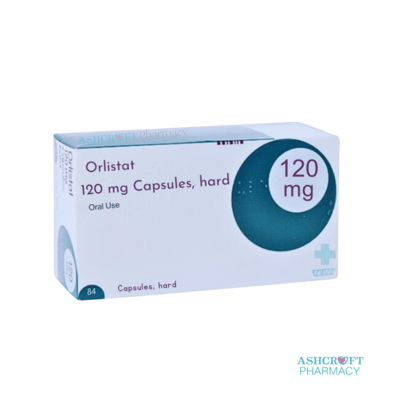
Orlistat 120mg Weight Loss Capsules
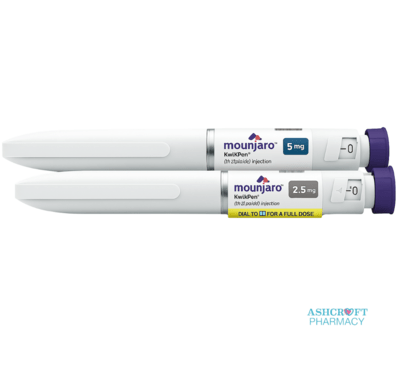
Mounjaro Weight Loss Injections

Order Monday to Friday before 14:00pm to guarantee next day delivery
Thinking About Weight Loss Medicines? Here’s What to Know
Weight loss medications are not suitable for everyone and should only be considered under the care of a doctor or qualified prescriber. Eligibility criteria usually include:
- A BMI of 30 kg/m² or higher (obesity).
- Or a BMI of 27 kg/m² or higher (overweight) in the presence of weight-related health conditions (like type 2 diabetes, high blood pressure, high cholesterol, sleep apnoea).
It is vital to understand that these medications are intended to support, not replace, essential lifestyle changes – namely, adopting a healthier diet and increasing physical activity. Potential side effects (which vary by drug but can include nausea, diarrhoea, constipation, or increased heart rate) should be discussed, as individual responses and results differ. Sustained commitment to a healthy lifestyle is crucial for achieving and maintaining long-term results, even after medication is stopped.
Prescription Weight Loss Treatments in UK
ORLISTAT
| MOUNJARO (TIRZEPATIDE)
| |
SEMAGLUTIDE (Wegovy)
| SAXENDA (LIRAGLUTIDE)
| NALTREXONE/BUPROPION (Mysimba)How it works: Acts on brain pathways related to appetite and reward to reduce hunger and cravings. |

Rybelsus Tablets (Semaglutide)
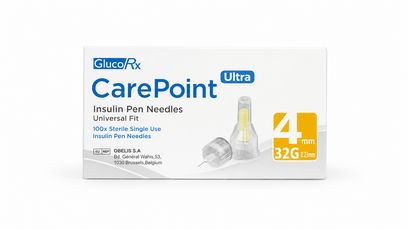
Weight Loss Pen Needles
Order Monday to Friday before 14:00pm to guarantee next day delivery
How much weight can I safely lose each week?
A safe, sustainable, and generally recommended rate of weight loss is around 1 to 2 pounds (approximately 0.5 to 1 kg) per week. Losing weight gradually offers several advantages over rapid weight loss:
- Sustainability: It is more likely to result from lasting lifestyle changes, making it easier to maintain the weight loss long-term.
- Health: It reduces the risk of potential health complications associated with very rapid weight loss, such as gallstones, muscle loss, and nutrient deficiencies.
- Wellbeing: Gradual loss is less likely to negatively impact your metabolism significantly or cause excessive tiredness and mood changes.
Focusing on steady progress through balanced nutrition and regular activity is the most effective approach for achieving and maintaining healthy weight goals.
To Lose Weight at this Rate, How Many Calories Should You Eat In a Day?
To achieve a weight loss of 0.5 to 1 kg (1-2 lbs) per week, you generally need to create a calorie deficit – meaning you burn more calories than you consume. A common target deficit is around 500-600 calories per day.
For many adults, this translates to aiming for a daily intake of around 1400 kcal per day for women and 1900 kcal per day for men, which is about 600 kcal less than average daily requirements.
However, individual calorie needs vary significantly based on factors like age, starting weight, muscle mass, and activity levels. Highly active individuals may need more calories even when losing weight, while those with very sedentary lifestyles might need fewer.
Crucially, the quality of calories matters as much as the quantity. Focus on nutrient-dense foods – lean proteins, whole grains, fruits, vegetables, and healthy fats – while creating a calorie deficit. This ensures your body receives essential nutrients while still encouraging fat burning. Consult a healthcare professional or registered dietitian for personalised calorie targets.
What Should You Do If You Go Over That Limit?
Do not panic if you occasionally go over your target calorie intake – it happens. One single day does not derail your overall progress. Rather than drastically cutting calories the next day or skipping meals (which can be counterproductive), simply aim to get back to your usual healthy routine with balanced meals and planned activity.
You can gently compensate by adding a little extra movement – perhaps a longer walk – or choosing slightly lighter options for your next few meals. Focus on consistency over the long term, not perfection every day.
FREQUENTLY ASKED QUESTIONS
How do I calculate my BMI?
You can calculate your Body Mass Index (BMI) using the following formula:
BMI = weight (kg) / (height (m) x height (m))
Alternatively, many online BMI calculators are available, including one on the NHS website.
How long should I stay on a diet?
Sustainable weight management focuses on adopting healthy eating habits for the long term, rather than being on a temporary 'diet'. Your eating plan should be one that supports your health goals (whether losing, gaining, or maintaining weight), fits your lifestyle, and feels sustainable indefinitely. If an eating plan feels overly restrictive or difficult to maintain, it is likely not the right long-term approach for you.
What is a healthy BMI?
For most adults, a BMI between 18.5 and 24.9 kg/m² is considered to be in the healthy weight range. This range is associated with a lower risk of weight-related health problems. A BMI below 18.5 is classified as underweight, 25 to 29.9 as overweight, and 30 or above as obese. Note that BMI is a general guide and does not account for factors like muscle mass.
Let’s Wrap Up!
Sustainable weight management is a long-term commitment, not a temporary fix. It revolves around making consistent, healthy choices that fit your life. By understanding your body's needs, prioritising balanced nutrition, staying physically active, and managing other lifestyle factors like stress and sleep, you can achieve lasting results. Remember to stay consistent, be patient and kind to yourself during the process, and focus on progress over perfection.
More Resources
https://www.nhs.uk/health-assessment-tools/calculate-your-body-mass-index/calculate-bmi-for-adults
https://www.nhs.uk/conditions/obesity/treatment/
https://www.nutrition.org.uk/health-conditions/obesity-healthy-weight-loss-and-nutrition/
Weight Loss medication
Prescription Weight Loss Treatment