Peppermint Oil: A Natural Relief for IBS Symptoms
By Mr Suhail Jamil



In the UK, millions of people suffer from Irritable Bowel Syndrome (IBS) with symptoms such as bloating, abdominal cramps, diarrhoea, and constipation, interfering with their daily activities. Even though there is no exact cause of IBS, patients suffering from it continuously look for treatment options due to its unpredictable behavior.
Recently, there has been a striking increase in interest in natural solutions, particularly among those who wish to avoid taking medications for a long period of time. Peppermint oil is one of those natural remedies that is becoming famous due to its soothing abilities. It acts as an antispasmodic and aids in relaxing the muscles in the gastrointestinal tract, reduces cramping, and relieves soreness. However, is it truly effective, and what side effects should you be aware of? Let’s explore!
How Does Peppermint Oil Help with IBS?
Undoubtedly, peppermint oil has been studied in the relief of IBS symptoms because of its natural antispasmodic properties. It works mainly by relaxing the gastrointestinal smooth muscles and reducing spasms.
Furthermore, the peppermint oil also helps in digestion and reduces the buildup of gas and bloating. It helps regulate gut motility by improving food’s passage through the digestive tract and managing common and frustrating symptoms of IBS, such as constipation and diarrhea.
Forms of Peppermint Oil for IBS
There are many forms of peppermint oil, each providing a unique advantage for controlling IBS symptoms.
- Capsules are the most recommended form, as they are designed to leave the stomach and dissolve in the intestines, where the oil can relax gut muscles.
- The medication will start to work within a few hours but can take 1-2 weeks for a full effect. Keep taking it until your symptoms improve.
- Leave a 2 hour gap between taking a peppermint oil capsule and taking an indigestion medicine. This allows the peppermint oil capsules to work properly.
- Side effects include heartburn and indigestion.
- If you buy peppermint oil from a pharmacy or shop, do not take it for more than 2 weeks without speaking to your GP.
Peppermint Oil: Scientific Evidence and Effectiveness
In the UK, scientific research has placed considerable emphasis on the role of peppermint oil in managing IBS symptoms. A systematic review and meta-analysis by Reena Khanna, John K MacDonald, Barrett G Levesque confirmed the efficacy in the alleviation of abdominal pain, bloating, and overall discomfort. They found that peppermint oil was significantly more effective than a placebo for relieving IBS symptoms in adults.Although peppermint oil patients were significantly more likely to experience an adverse event, such events were mild and transient in nature. The most commonly reported adverse event was heartburn.
The National Institute for Health and Care Excellence (NICE) cites peppermint oil as an effective option for the treatment of IBS, particularly for patients with mild to moderate symptoms.
How to Take Peppermint Oil for IBS
The effective form of peppermint oil for managing IBS is enteric-coated capsules, because they allow the oil to get to the intestines intact without breaking down in the stomach. Its consumption is recommended in a dosage of 1–2 capsules one hour before meals, not more than three times a day.
Choosing enteric-coated varieties is very important to avoid the chances of heartburn or indigestion, which is likely to occur if the capsule opens early. Around 2 to 4 weeks after consistent use, most users report the reduction of symptoms of cramping, bloating, and irregular bowel movements, but there is a wide variation of responses among users.
Who Should Avoid Peppermint Oil?
Not everyone can use peppermint oil, it is not suitable for those with:
- GERD (Gastroesophageal Reflux Disease) or frequent heartburn, in this case, peppermint oil can worsen symptoms by relaxing the lower esophageal sphincter, which further allows stomach acid to flow back up.
- Severe IBS symptoms or other gastrointestinal disorders.
- Taking medications such as antacids, cyclosporine, or medicines that affect liver enzymes.
- Always consult your GP to ensure peppermint oil is a safe option based on your specific health requirements.
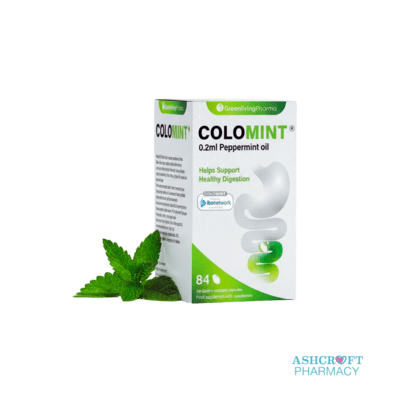
Peppermint Oil Capsules 84s
Rennie Sugar Free Tablets (48)

Order Monday to Friday before 14:00pm to guarantee next day delivery
Peppermint Oil: Side Effects and Risks
Although peppermint oil is well tolerated, it can cause side effects in some people if not used properly. One common issue is heartburn or acid reflux, which occurs when the oil is released too early in the digestive tract, thereby highlighting the need for enteric-coated capsules. Rarely, it causes allergic reactions such as skin rashes and headaches, especially in individuals who are sensitive to menthol.
Furthermore, peppermint oil can interact with some drugs, including blood thinners and those used to treat acid reflux (proton pump inhibitors), altering their effectiveness and causing adverse effects. So, you must always consult your healthcare provider before using peppermint oil, particularly when taking other medications or having pre-existing health conditions, to avoid serious complications.
Alternative IBS Treatments
Although peppermint oil can assist many struggling with IBS, there are other treatment options worth exploring.
- Probiotics support gut health by balancing the intestinal flora, alleviating symptoms such as bloating and irregular bowel movements.
- Changes in diet, especially the low FODMAP diet, have also been shown to produce promising outcomes by eliminating specific fermentable carbohydrates that may lead to IBS flare-ups.
- Prescription medications such as antispasmodics, laxatives, or antidiarrheal agents are best for those needing additional support.
- Cognitive Behavioral Therapy is effective in those cases where stress or anxiety exacerbates IBS, helping people develop coping mechanisms to alleviate severe symptoms via effective stress management.
Where to Buy Peppermint Oil for IBS in the UK?
In the UK, peppermint oil for IBS is widely sold in clinics such as Boots and Lloyds, health food stores such as Holland & Barrett, and the like, through credible online distributors like Amazon and brand websites.
So, select those brands which meet UK health and safety standards, such as Colpermin, Mintec, PepperMinn providing enteric-coated tablets for IBS relief. Ensure that the product of these reputable brands is MHRA (Medicines and Healthcare products Regulatory Agency) approved.
Buying supplements from well-known retailers is also useful to avoid the risk of counterfeit and unvalidated supplements.
When to Consult a Doctor?
Although peppermint oil can alleviate your IBS symptoms, you must consult your doctor if the use of peppermint oil does not improve your IBS symptoms after a few weeks of use or the symptoms get worse. Seek medical help if you have severe digestive symptoms like unexplained weight loss, blood in stool, persistent abdominal pain, or vomiting highlighting serious conditions. Speak to your doctor if you need combined therapy or a broader approach for IBS symptoms such as drugs, dietary changes, or stress management.
In conclusion
Peppermint oil provides an effective remedy for the management of IBS symptoms such as bloating, gas, and abdominal pain. Generally, it is considered safe for most, but some precautions should be taken with people who have health conditions or are on other drugs. Also, consult your GP prior to using peppermint oil or any supplements to maximize benefits and reduce risks.