What is the strongest migraine medicine?
By Mr Suhail Jamil



There is no single ‘strongest’ migraine medicine because different treatments work for different people. UK guidelines divide migraine treatments into:
- Acute (pain-relieving) medicines – taken when a migraine attack begins
- Preventive medicines – taken regularly to reduce the number and severity of attacks
Below is an evidence-based overview of the main treatment options.
1. Acute Migraine Treatments (Pain Relievers)
Acute migraine medicines relieve symptoms after an attack has started. Recommended treatments vary depending on the severity of the migraine.
Triptans
Triptans are a first-line prescription treatment for moderate to severe migraine.
They work by activating serotonin (5-HT1) receptors, narrowing dilated blood vessels and normalising pain pathways in the brain.
Common UK-available triptans include:
- Sumatriptan (tablets, nasal spray, injection)
- Zolmitriptan (tablets, melt tablets, nasal spray)
- Rizatriptan
NHS Guidance Correction:
- Sumatriptan 100 mg is not “the strongest migraine medicine.”
- Triptan effectiveness varies by individual, not dose strength alone.
- Some people respond better to zolmitriptan, others to rizatriptan, etc.

Sumatriptan | Migraine Relief Tablets
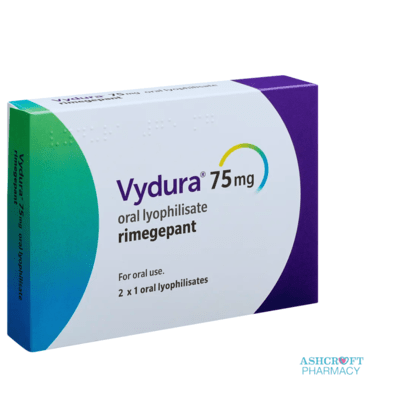
Vydura (rimegepant) 75mg Tablets

Receive Tomorrow if you place order in next
Over-the-counter pain relief
For mild to moderate attacks, NHS guidelines recommend simple analgesia in the form of:
- Ibuprofen
- Aspirin
- Paracetamol
Combination products (e.g., aspirin + paracetamol + caffeine)
These work best when taken early in the migraine attack. They are not usually enough for severe migraines.
Other acute options
Used when first-line medicines fail:
- Gepants (Rimegepant) – increasingly available in the UK through specialists.
- Antiemetics (metoclopramide or prochlorperazine) – helpful for nausea/vomiting when given alongside triptans, but do not treat pain alone.

Ibuprofen 400mg Tablets
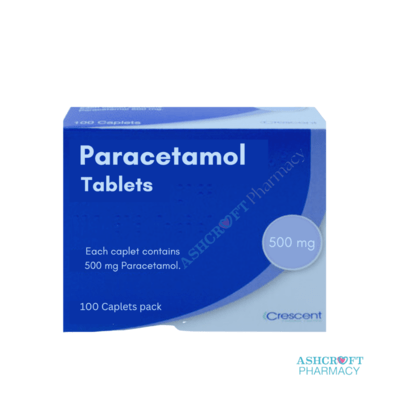
Paracetamol 500mg Tablets
Receive Tomorrow if you place order in next
2. Preventive Migraine Medicines
Preventive treatments reduce how often migraines occur and how severe they are. NHS guidance recommends them for:
- Frequent (more than once a week) or severe and prolonged attacks
- Attacks that significantly impair daily life
- Patients are at risk of medication overuse headache due to frequent use of acute medication.
- Ineffective or contraindicated to acute medicines
Common preventive medicines
Beta-blockers
- Propranolol (80-160mg in divided doses) is commonly prescribed in the UK.
Antidepressants
- Amitriptyline (25-75mg) is effective even in people without depression.
- Other antidepressants are not routinely recommended for migraine prevention.
Anti-seizure medicines
- Topiramate (50-100mg daily , in divided doses). This drug is contraindicated in pregnancy — highly effective contraception is required when used for women and girls of childbearing potential].
- Sodium valproate (if over the age of 55 years)
- Valproate is not recommended in pregnancy and has strict safety rules.
CGRP monoclonal antibodies
- Erenumab, fremanezumab, galcanezumab
- Offered when other preventives fail
- Available from NHS specialists only
Botox (onabotulinumtoxinA)
- For chronic migraine (15+ headache days per month)
- Given by trained NHS specialists.
Preventives are not just for migraine with aura — they are used for all types of migraine if clinically appropriate.
Sumatriptan vs Zolmitriptan
Similarities
- Both are triptans used to treat acute migraine attacks.
- Both work by acting on serotonin (5-HT1B/1D) receptors.
- Both treat headache pain and associated symptoms (nausea, photophobia).
- They are taken as needed, not daily.
- Both may cause side effects such as dizziness, tingling, warmth, flushing, and nausea.
Differences
Dosage forms
- Sumatriptan: 50 mg, 100 mg tablets; 20 mg nasal spray; injection (fastest option)
- Zolmitriptan: 2.5 mg and 5 mg tablets; orodispersible tablets; nasal spray
Onset of action
- Sumatriptan injection works fastest (~10–15 minutes).
- Tablets for both medicines usually work in 30–60 minutes.
Effectiveness
- Effectiveness varies by patient.
- Studies do not confirm that “sumatriptan 100 mg is the strongest migraine medicine.”
- Some people respond better to zolmitriptan 2.5 mg or rizatriptan 10 mg.
Zolmitriptan 2.5 mg is not universally stronger than sumatriptan 25 or 50 mg. Response is individual, and treatment should be tailored.
Side-effect differences
- Sumatriptan: fatigue, chest tightness (usually harmless), tingling
- Zolmitriptan: dry mouth, drowsiness
- Most side effects are mild and short-lived.
Bottom Line
- There is no single “strongest” migraine medicine.
- The most effective treatment depends on the individual, type of migraine, and medical history.
- Triptans are the most effective medicines for many people with moderate to severe migraine.
- Preventive treatments are recommended if you have frequent or disabling migraines.
- Always use UK-registered pharmacies and consult a healthcare professional before choosing or changing treatment.
Sumatriptan | Migraine Relief Tablets
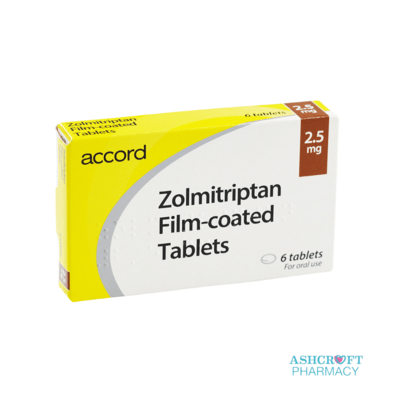
Zolmitriptan Tablets
Receive Tomorrow if you place order in next