Migraine Explained Simply | Ashcroft Pharmacy
By Mr Suhail Jamil



What Is a Migraine?
A migraine is a primary headache disorder, meaning the headache itself is the condition and not caused by another underlying illness. It is an intense neurological condition, often starting in early to midlife, which can be chronic (frequent) or episodic (occasional). Symptoms sometimes improve with age. Migraines typically involve a severe headache, often described as throbbing and usually felt on one side of the head. Other common associated symptoms include:
- Vomiting
- Nausea
- Photophobia (increased sensitivity to light)
- Phonophobia (increased sensitivity to sound)
- Visual disturbances (sometimes called aura)
If you suffer from migraines, you are certainly not alone. The Migraine Trust estimates that 1 in 7 adults in the UK experience them. Attacks can last for hours or even days, significantly impacting daily activities.
Some women experience 'menstrual migraines', which typically occur in the window starting 2 days before a period and continuing into the first 3 days of the period.
You must understand its types, causes, symptoms, treatment options, and prevention strategies, to help you manage this condition more effectively.
What Causes Migraine?
While the exact underlying cause of migraines is complex and not fully understood, various factors are known to trigger attacks in susceptible individuals. Common triggers include:
- Alcohol: Even small amounts can be a trigger for some people.
- Stress: Both high stress levels and the 'let down' period after stress can trigger migraines. This includes emotional stress, tension, shock, or even excitement.
- Caffeine: Both excessive intake and sudden withdrawal (e.g., skipping usual weekend coffee after high weekday consumption) can trigger attacks.
- Blood Sugar Fluctuations: Skipping meals, delaying eating, or exercising intensely without adequate fuel can lead to low blood sugar, a potential trigger.
- Dietary Factors: Certain foods are common triggers for some individuals, such as aged cheese, chocolate, processed meats. Specific chemicals and additives like nitrites, tyramine, aspartame (artificial sweetener), and monosodium glutamate (MSG) can also be culprits.
- Dehydration: Not drinking enough fluids.
- Changes in Routine: Disrupted sleep patterns (too little, too much, or irregular sleep), shift work, or travel across time zones.
- Hormonal Changes: Fluctuations in oestrogen, particularly around menstruation, ovulation, or related to hormone replacement therapy (HRT) or contraception.
- Sensory Overload: Sudden loud noises, busy environments, strong smells (perfumes, chemicals), bright sunlight glare, or flickering lights.
- Genetics: A family history of migraines significantly increases the likelihood of experiencing them.
WHAT ARE THE DIFFERENT TYPES OF MIGRAINE?
Some different types of migraines are outlined below:
The most common types of migraine are
- migraine with aura
- migraine without aura
Other types include hemiplegic migraine, vestibular and silent migraine. Although these are more rare.
Understanding Migraine Types
Symptoms and frequency broadly classify migraines. The most common types are migraine without aura and migraine with aura. Other, rarer types also exist. Here is a summary:
| Type | Description | Key Symptoms |
|---|---|---|
| Migraine with Aura | Gives warning signs (aura) before the headache begins. | Numbness, visual disturbances (zigzag lines, flashing lights), or difficulty speaking. |
| Migraine without Aura | No warning signs. The most common type of migraine. | Nausea, throbbing headache, sensitivity to light and sound. |
| Chronic Migraine | Headaches persist for 15 days or more per month for at least 3 months. | Increased sensitivity to light and noise, nausea, frequent headaches. |
| Vestibular Migraine | Affects balance and coordination, often without a significant headache. | Nausea, dizziness, motion sensitivity, or vertigo. |
| Hemiplegic Migraine | A rare and severe type causing temporary weakness on one side of the body. | Temporary weakness on one side, difficulty speaking, communication difficulties. |
| Silent Migraine (Acephalgic) | Migraine with aura symptoms but without the headache phase. | Nausea, dizziness, visual disturbances, or confusion. |
| Episodic Migraine | Occurs less frequently, fewer than 15 days per month. | Symptoms are similar to other migraines but occur less frequently. |
| Migraine with Brainstem Aura | A rare and severe type where aura symptoms originate from the brainstem. | Loss of balance, slurred speech, dizziness, confusion, or ringing in the ears. |
The Phases of a Migraine
A migraine attack often progresses through up to four distinct phases, although not everyone experiences all of them, and phases can sometimes overlap. Understanding these phases can help you anticipate an attack and manage it better.
1. Prodrome (Warning Stage)
Timing: Can start hours or even days before the primary headache.
Symptoms: Subtle changes signalling an impending migraine. Recognising these can sometimes allow for early intervention. Common prodrome symptoms include:
- Unusual fatigue or excessive yawning.
- Cravings for specific foods.
- Neck stiffness or pain.
- Increased thirst and/or frequent urination.
- Mood changes (irritability, depression, unusual excitability).
2. The Aura Stage
Timing: Typically occurs just before or sometimes overlaps with the headache phase, usually lasting 5-60 minutes. Experienced by about one in four migraine sufferers.
Symptoms: Temporary neurological disturbances, often visual, caused by waves of electrical activity in the brain. Common aura symptoms include:
- Visual: Seeing flashing lights, zigzag lines, blind spots, shimmering shapes, or coloured spots.
- Sensory: Numbness or a pins-and-needles sensation, often starting in the hand and moving up the arm, or affecting the face/tongue.
- Speech/Language: Temporary difficulty finding words or forming sentences.
- Motor (Rare): Weakness, usually on one side of the body (characteristic of Hemiplegic Migraine).
- Other: Dizziness, feeling unsteady, or memory changes.
3. Attack (Headache Phase)
Timing: Can last 4-72 hours if untreated.
Symptoms: This involves a moderate to severe headache, often throbbing or pulsating and typically worse on one side of the head. Other common symptoms during this phase are:
- Nausea and/or vomiting.
- Extreme sensitivity to light (photophobia).
- Extreme sensitivity to sound (phonophobia).
- Pain worsens with routine physical activity or movement.
- (Pain relief medications, particularly migraine treatments like triptans, tend to work best if taken early in this phase.) As the headache subsides, this marks the Resolution stage, where pain gradually fades. Sleep can help accelerate resolution.
4. Postdrome (Recovery Stage)
Timing: Can last for 24-48 hours after the headache resolves. Often described as a 'migraine hangover'.
Symptoms: Feelings of exhaustion, being mentally foggy or 'drained', difficulty concentrating, sometimes mild lingering head discomfort, or conversely, feelings of mild euphoria or refreshment. You might feel fatigued for a day or two.
How Are Migraines Diagnosed?
There is no single definitive test (like a blood test or scan) to diagnose migraines. Diagnosis relies primarily on a careful assessment of your symptoms and medical history by a healthcare professional, usually your GP.
Your doctor will typically ask about:
- Headache Characteristics: Where the pain is located, what it feels like (e.g., throbbing, pulsating), its severity, and how long attacks last.
- Associated Symptoms: Whether you experience nausea, vomiting, sensitivity to light or sound, or aura symptoms.
- Frequency and Pattern: How often the headaches occur and if there are any identifiable triggers or patterns (e.g., relation to menstrual cycle).
- Medical History: Your overall health, family history of migraines, and any other symptoms you might have.
Keeping a detailed headache diary for a few weeks can be very helpful for diagnosis, allowing you to track symptoms, frequency, duration, potential triggers, and response to medication. While brain scans (like MRI or CT) are not usually needed to diagnose migraine, they may be ordered if your symptoms are unusual or if the doctor suspects another underlying cause for your headaches.
WHEN TO SEEK HELP?
While migraines themselves are not usually life-threatening, it is important to know when to consult your GP and when specific symptoms warrant urgent medical attention, as they could indicate a more serious underlying condition.
See Your GP If:
- Your migraines are poorly controlled despite using over-the-counter painkillers.
- Your headaches are becoming significantly more severe, frequent, or changing in pattern.
- A migraine attack lasts longer than 72 hours (status migrainosus).
- You experience frequent migraines, especially if linked to your menstrual cycle.
- Your migraines are significantly impacting your daily life, work, or well-being.
Seek Urgent/Emergency Medical Help (Call 999 or go to A&E) If You Experience:
- A sudden, extremely severe headache, often described as a 'thunderclap' headache (unlike any previous headache).
- Weakness, numbness, or paralysis on one side of your face or body (potential stroke symptom).
- Slurred or garbled speech (potential stroke symptom).
- Seizures (fits) occur with a headache.
- Sudden double vision or loss of vision (especially if different from your usual aura).
- Confusion, drowsiness, memory loss, or loss of consciousness.
- Headache accompanied by fever, neck stiffness, or a rash (potential meningitis symptoms).
- A new type of severe headache, especially if you are over 50.
- Headache followed by an injury and getting worse over time
- A headache consistently triggered or worsened by coughing, straining, or sudden movement.
For treatment guidance based on symptoms, see our expert migraine treatment advice from Ashcroft Pharmacy.
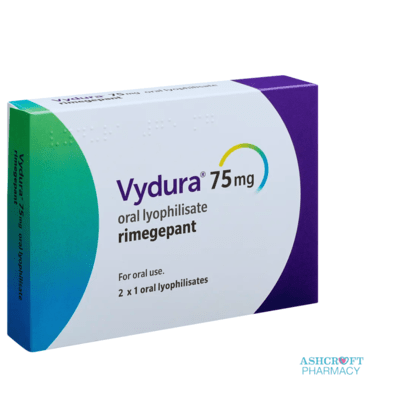
Vydura (rimegepant) 75mg Tablets

Sumatriptan | Migraine Relief Tablets

Receive Tomorrow if you place order in next
Treatment for Migraines
Migraine treatment aims to stop symptoms during an attack (acute treatment) and reduce the frequency and severity of attacks (preventative treatment).
Acute Treatments (Stopping an Attack)
- Simple Painkillers: Over-the-counter options such as Aspirin, Ibuprofen, and Paracetamol can be effective, especially when taken early in an attack. Paracetamol is often the preferred choice for children and during pregnancy/breastfeeding. Codeine-containing painkillers are generally avoided due to the risk.
- Anti-sickness Medications (Antiemetics): If nausea or vomiting is severe, medications such as Prochlorperazine, Domperidone, or Metoclopramide can be taken alongside painkillers. They help manage sickness and can improve the absorption and effectiveness of painkillers.
- Triptans: If simple painkillers are insufficient, specific migraine medications called triptans are usually the next step. Sumatriptan is often the first choice. Other triptans available include almotriptan, eletriptan, frovatriptan, naratriptan, rizatriptan, and zolmitriptan. Response varies, so if one doesn't work well, another might.
- Non-Oral Formulations: If vomiting is severe and prevents taking tablets, triptans are available in other forms, such as nasal sprays (e.g., Sumatriptan intranasal spray, licensed from age 12), oral melts/wafers, and injections.
- Gepants: This newer class of medication can be used for acute treatment if triptans are ineffective or not tolerated. Rimegepant (Vydura) is an example available as an oral tablet.
Preventative Treatments (Reducing Frequency/Severity)
Preventative medication may be considered if:
- You experience frequent migraines (e.g., typically more than four headache days per month).
- Migraines significantly impact your quality of life despite effective acute treatment.
- Acute treatments are ineffective, not tolerated, or overused (e.g., used more than twice a week).
Various medications can be used for prevention, including some developed initially for epilepsy (like topiramate), depression (like amitriptyline), or high blood pressure (like propranolol).
Newer options include CGRP monoclonal antibodies (administered by injection) and Gepants (such as Rimegepant). Preventative treatment choice requires discussion with your GP or a specialist. Rimegepant (Vydura) can also be used preventively and may be available via online consultation if suitable.
Non-Drug Treatments and Approaches
- Lifestyle Adjustments: Identifying and managing personal triggers (see 'What Causes Migraine?' section) is crucial. Maintaining regular sleep, meals, and hydration can help.
- Acupuncture: Some people find acupuncture beneficial. NICE guidelines suggest it can be considered.
- Supplements: Evidence supports the use of high-dose Riboflavin (Vitamin B2) for some people. Magnesium and Coenzyme Q10 are also sometimes recommended, but evidence is less robust. Always check with your GP or pharmacist before starting supplements.
- Migraine Devices: Certain devices (e.g., Cefaly, a transcutaneous supraorbital nerve stimulator) are available, though evidence varies.
- Physical Therapies: Managing neck tension or jaw issues may help some individuals.
- Heat/Cold Packs: Applying heat or cold packs to the head or neck can provide symptomatic relief during an attack.
LIVING WITH MIGRAINES
PREGNANCY
Migraine patterns can change during pregnancy, often due to hormonal shifts.
- Improvement: Many women find their migraines improve, particularly during the second and third trimesters. Rising levels of oestrogen and natural pain-relieving hormones (endorphins) may contribute to this.
- First Trimester Challenges: Morning sickness can sometimes lead to dehydration or low blood sugar from reduced intake, potentially triggering or worsening migraines. Eating and drinking small amounts regularly is essential.
- Treatment: Always discuss migraine treatment options with your doctor or midwife if you are pregnant, planning pregnancy, or breastfeeding, as some medications may not be suitable. Paracetamol is generally considered the safest simple painkiller.
Driving
Most people with migraines can drive safely, but consider the following:
- Medication Effects: Do not drive while taking any medication (for migraine or otherwise) that makes you drowsy or affects your concentration or vision. Check the patient information leaflet.
- During an Attack: If a migraine attack (especially with aura or severe symptoms) starts while driving, pull over safely as soon as possible. Do not resume driving until you have fully recovered.
- DVLA Notification: You must inform the DVLA if your migraines are sudden, disabling, or involve symptoms (like aura or weakness) that could pose a danger while driving. You must also inform them if your doctor advises you to do so. Failure to notify the DVLA when required can result in fines and invalidate your insurance.
Work
Migraines commonly affect people of working age. Managing triggers in the workplace can help:
Workstation Setup: Ensure your desk, chair, and screen are positioned ergonomically to prevent neck and shoulder tension, which can be a trigger. Personalising your setup is key.
Screen Use: If screens trigger your migraines:
- Use an anti-glare filter or adjust screen settings (brightness should ideally match ambient light).
- Ensure good lighting around your desk to reduce contrast.
- Avoid sitting too close to the screen.
- Take regular short breaks away from the screen (e.g., follow the 20-20-20 rule: every 20 minutes, look at something 20 feet away for 20 seconds).
Other Triggers: Stay hydrated throughout the day. Keep healthy snacks available if low blood sugar is a trigger. Be mindful of workplace lighting, noise levels, and strong smells if these affect you.
Support: Speak to your manager or the occupational health department if migraines are significantly impacting your ability to work. They can suggest reasonable adjustments.
Key Takeaway
Migraines are complex neurological events that cause intense headaches, often accompanied by symptoms such as nausea and sensitivity to light or sound. While triggers vary widely between individuals (common ones include stress, hormonal changes, certain foods, and environmental factors), effective management involves a combination of strategies.
Acute treatments like simple painkillers or specific migraine medications (triptans, gepants) aim to stop attacks, while preventative approaches (medication or lifestyle adjustments) aim to reduce frequency. Identifying personal triggers, maintaining healthy routines (sleep, meals, hydration), managing stress, and seeking timely medical advice are all crucial steps in managing migraines effectively and improving quality of life.

Imigran Nasal Spray
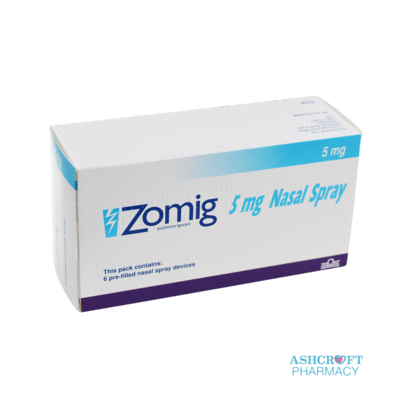
Zomig Nasal Spray
Receive Tomorrow if you place order in next