Finasteride Side Effects: Risks, Studies, and Safety Tips


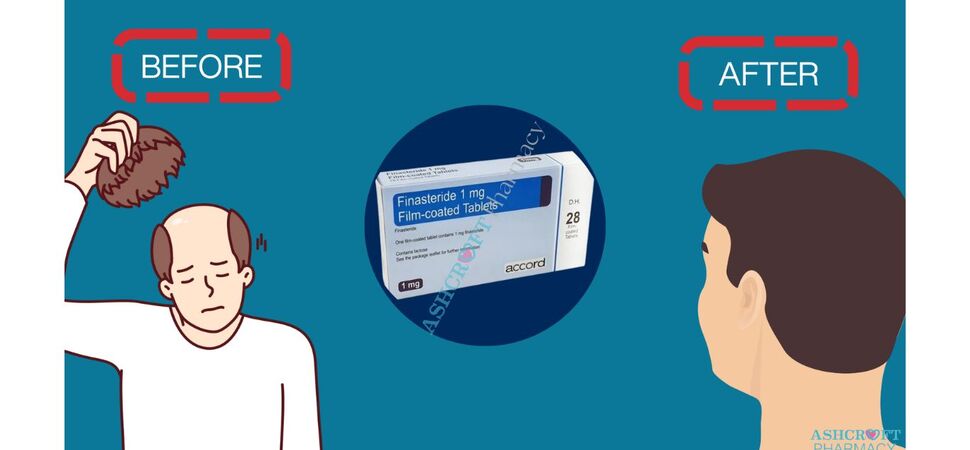
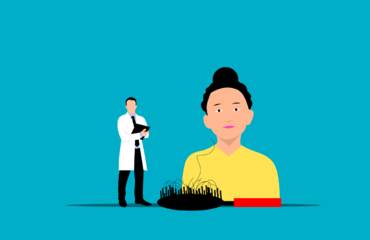
In the UK, Finasteride is widely prescribed for male pattern baldness or androgenetic alopecia. The medication decreases hair loss by working on the hormone dihydrotestosterone or DHT, the main culprit behind hair loss. As dihydrotestosterone levels decline, Finasteride slows down hair thinning and, in many cases, promotes regrowth, making it a reliable option for men who want to manage early signs of balding.
Finasteride is highly effective, but it also causes some side effects and is not suitable for everyone. Understanding its risks will help you make an informed decision about your treatment. This blog will focus on the common, uncommon, and rare side effects of Finasteride. So, let’s scroll!
Common Side Effects of Finasteride
Finasteride is well-tolerated, but some people experience side effects, especially in the early stages of treatment. Its most common side effects are:
- A reduction in the volume of semen
- Erectile dysfunction
- Decreased libido
These side effects are mild and resolve after some time as your body adjusts to the new medicine. If they persist or get worse, consult your doctor.
Rare and Serious Side Effects of Finasteride
The serious side effects of Finasteride are:
- Breast tenderness or enlargement
- Mood changes such as anxiety or depression
- Allergic reactions with symptoms such as difficulty breathing, itching, swelling, or rash
If you experience any of these side effects, seek medical help immediately.
Finasteride Long-Term Effects: What Studies Say
In the UK, Finasteride is regularly prescribed for male pattern baldness and is well tolerated by most users. However, some studies have inconclusive findings about its long-term side effects. There is considerable interest in an area known as Post-Finasteride Syndrome (PFS), which describes the condition in which people experience persistent sexual, neurological, and psychological symptoms even after stopping the drug. For example, a study published in the Journal of Sexual Medicine stated that 96 percent of users continue to experience sexual dysfunction for about 14 months after stopping the drug.
The study in the American Journal of Men’s Health reported that some men highlighted ongoing issues such as low libido, erectile dysfunction, and reduced cognitive function months after ceasing the drug. Moreover, a review studying 79 young men found that they suffered long-term adverse effects post-finasteride use, revealing a lack of focus on these issues by clinicians.
Finasteride and Fertility: What to Know
Studies have indicated that even at the low dose of 1mg for hair loss, Finasteride may have an effect on male fertility in some individuals.
A cohort study of 4,400 men found that those with severe oligospermia (sperm count <5 million/mL) showed an average of 11.6-fold increase in sperm counts after stopping Finasteride, with 57% of them reaching more than 15 million/mL.
Importantly, none of the participants had a decrease in sperm count, and there were no changes in hormone levels, sperm motility, and morphology. These results indicate that while Finasteride lowers sperm count in some men, the effect is reversible upon discontinuation. Men worried about their fertility potential should talk to their GP before initiating or continuing a Finasteride treatment.
How to Minimize Side Effects of Finasteride
In the case where you might be experiencing mild side effects from Finasteride, there are a number of things you can do to relieve them.
- Always take the medication at the dosage that has been prescribed to you and do not take more than the advised amount. For some, even a lower dose could do the trick while controlling adverse effects.
- Stay well-hydrated and drink plenty of water
- Maintain a balanced and healthy lifestyle.
If side effects persist or get worse, consult your doctor, and they will assess your situation, adjust your dosage, or suggest an alternative treatment if necessary, making your hair loss treatment journey manageable and risk-free.
When to Seek Medical Help
Finasteride is well tolerated, but remember that there is a limit after which medical attention becomes mandatory. You must consult your doctor if you experience:
- Mood swings
- Persistent sexual dysfunction
- Breast tenderness, or enlargement
- Signs of an allergy, like hives, rash, difficulty breathing, or swelling of the face or lips
Early interventions manage side effects effectively and ensure your treatment remains safe.
Final Thoughts: Is Finasteride Right for You
No doubt, Finasteride is an effective treatment for managing hair loss in many men, slowing down balding and promoting regrowth. As with any medication, Finasteride carries the risk of some side effects. If you are considering this medicine for your hair loss treatment, consult your doctor to determine its possible risks & benefits and whether Finasteride is safe for you.