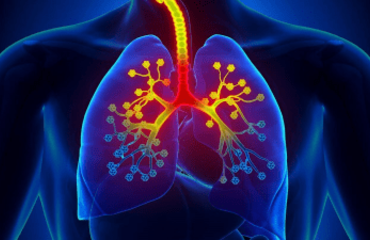
Diet for asthma: Does what you eat matter?
By Mr Suhail Jamil



When it comes to managing asthma, most people focus on inhalers and medication — but diet can also play an important part. While food isn’t a direct treatment for asthma, research suggests that certain nutrients may help lower inflammation, strengthen the immune system, and even ease symptoms for some people. For those living with asthma in the UK, knowing how nutrition fits into an overall management plan can make a meaningful difference. Consuming a diet that is low in fibre and antioxidants such as vitamin E and C, combined with a high saturated fat diet (an unhealthy type of fat) causes increased inflammation in your body.
In this blog, we’ll explore the link between diet and asthma, highlight foods that promote lung health, and point out which ones are best avoided. Let’s get started!
The Connection Between Diet and Asthma
In recent years, there’s been growing interest in how diet can help manage chronic conditions — and asthma is no exception. As more people seek natural ways to improve their health, experts and researchers are examining how certain foods may help reduce asthma symptoms.
Because asthma is closely tied to inflammation and immune response, foods with anti-inflammatory properties — such as leafy greens, nuts, oily fish, and berries — are often recommended as part of an asthma-friendly diet. On the other hand, processed foods rich in trans fats, sulfites, or additives can trigger or worsen symptoms in some individuals. Nutrients like vitamins C, D, and E, along with magnesium and antioxidants, may also help relieve symptoms by supporting the body’s natural defences. Although there’s no universal diet for asthma, many people find that following a balanced, mediterranean-style eating pattern offers benefits.
That said, understanding which foods to limit is just as important as knowing which ones to include.
Foods that Manage Asthma Symptoms
Certain foods that can help manage asthma symptoms are:
Mineral-Rich Foods
Foods rich in essential minerals can play a significant role in managing asthma symptoms by supporting lung function and reducing inflammation. Magnesium relaxes the muscles around the airways, making breathing easier for asthma sufferers. Good sources include leafy vegetables like spinach and kale, nuts, seeds, and whole grains.
Potassium, found in bananas, avocados, and sweet potatoes, and avocados, contributes to lung health and improves immune function. Including mineral-rich foods in your diet will help maintain a healthy respiratory system and complement other asthma treatments.
Vitamin-Rich Foods
Vitamins found in everyday foods can play an important role in helping to relieve asthma symptoms. Vitamin C, known for its antioxidant and immune-supporting benefits, helps reduce airway inflammation and promotes healthier lung function.
You can get plenty of vitamin C from citrus fruits such as oranges, lemons, and grapefruits. Similarly, vitamin E — present in foods like spinach, sunflower seeds, and almonds — helps strengthen the immune system and protect cells from oxidative stress, which often increases during asthma flare-ups.
While these nutrients won’t cure asthma, incorporating them into your diet can help manage symptoms and support overall respiratory health.
Nutrient-Rich Foods
Nutrient-rich foods can play a valuable role in managing asthma by helping to reduce airway inflammation and strengthen the immune system. Diets high in nutrients — such as the Mediterranean diet, which focuses on fruits, vegetables, whole grains, legumes, olive oil, and oily fish like salmon — have been associated with better lung function and fewer asthma symptoms. This type of diet is also a great source of omega-3 fatty acids, found in foods like walnuts, flaxseeds, and salmon.
Adding more fiber, antioxidants, and healthy fats to your meals can serve as a helpful complement to standard asthma treatments, potentially easing symptoms and enhancing quality of life.
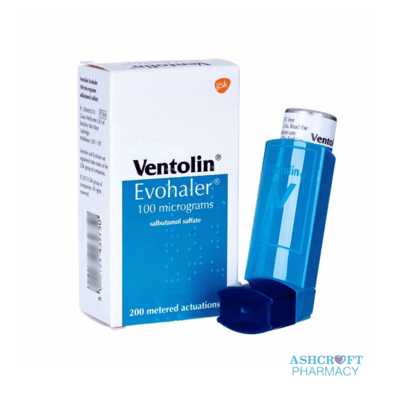
Ventolin (salbutamol) | Asthma Inhaler
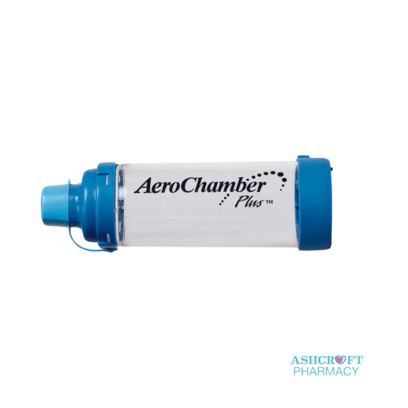
Aerochamber Plus Spacer

Order Monday to Friday before 14:00pm to guarantee next day delivery
Foods and Additives That Could Worsen Asthma
Certain foods and additives can act as asthma triggers, worsening symptoms and causing asthma attacks. These include:
- Sulfites: These are chemical preservatives found in dried fruits, wine, pickled foods, and bottled lemon or lime juice. They can cause breathing difficulties and wheezing in asthma patients if consumed in high quantities.
- Processed foods that contain high levels of flavoring, artificial preservatives, or colorings may contribute to inflammation and airway irritation.
- Trans fats, found in packaged snacks, baked items, and fried fast foods, are associated with poor lung function and increased inflammation.
Moreover, food allergies can also worsen asthma symptoms. Common allergens are eggs, dairy, nuts, shellfish, and wheat. These foods can trigger allergic reactions and can lead to anaphylaxis, which may involve life-threatening asthma attacks. The interaction between food allergies and asthma is commonly found in children and must be managed carefully under medical supervision.
Antioxidants Rich Foods and Gut Health: How They Support Your Lungs
Foods rich in antioxidants — like berries and dark leafy vegetables — do more than fight free radicals; they may also help reduce inflammation in the bronchial tubes, which is especially beneficial for people with asthma. These antioxidant-packed foods, high in vitamin C and flavonoids, have been linked to improved lung function and fewer asthma-related symptoms.
Emerging research also highlights the gut-lung connection, showing how gut health can influence respiratory function. Probiotic-rich foods such as yogurt and kefir help support a healthy gut microbiome, boost the immune system, and reduce lung inflammation. Additionally, diets high in fibre can increase gut microbiome diversity, which may contribute to better asthma control and fewer flare-ups.
Together, antioxidants and probiotics work to support respiratory wellness by nurturing both gut and lung health.
Asthma and Hydration
Dehydration can make asthma symptoms worse, so staying well-hydrated is an essential part of managing the condition. When the body lacks enough water, mucus in the airways becomes thicker and stickier, making it harder to clear and increasing the risk of blockages that can worsen breathing difficulties during an asthma attack.
To help keep your airways clear, aim to drink about 8–10 cups (2–2.5 litres) of water daily, adjusting your intake based on activity levels and climate. You can also boost hydration by eating water-rich foods like cucumbers, strawberries, oranges, and watermelon — which provide both fluids and beneficial nutrients such as vitamins and antioxidants.
It’s best to limit sugary soft drinks and high-caffeine beverages like multiple cups of coffee or energy drinks, as they can have a dehydrating effect.
What Is the Best Breakfast for Asthma Patients?
For patients suffering from asthma, the optimal breakfast is any meal that promotes lung function, reduces inflammation and supports immune system health.
Ideally, breakfast should contain fiber, antioxidants, and omega-3 fatty acids. For instance, a bowl of oatmeal with blueberries or strawberries and a sprinkle of chia seeds with almond butter would suffice. Also add vitamin C-rich fruit like oranges or kiwis.
Fruits, seeds, and whole grains help reduce airway inflammation while avoiding processed sugary cereal and dairy can prevent excess mucus production. The wholesome start to the day will fuel your body without triggering symptoms.
Is Cheese Good for Asthma?
The calcium and protein in cheese surely benefit all, but in some asthmatics, it triggers and worsens symptoms.
This problem might occur not due to increased mucus production caused by cheese (which is a misconception), but rather due to the inflammation or discomfort in the respiratory system some individuals might have due to sensitivity or allergic reaction.
Also, some aged cheeses contain histamines which trigger flare-ups in asthma sufferers. However, not everyone with asthma can react to cheese, many people enjoy it in moderation with no problems. If you notice worsened symptoms after eating dairy products or cheese, consult your doctor and opt for dairy-free alternatives.
What is the Fastest Way to Relieve Asthma?
The quickest way to relieve the symptoms of asthma is to:
- Use a quick-relief (rescue) inhaler, usually containing salbutamol as a bronchodilator.
- If you experience tightness in the chest, wheezing, or shortness of breath, it is best to sit upright (not lie down), remain calm, and take 1 to 2 puffs from the inhaler as prescribed.
- Move to a clean, fresh air space away from allergens such as smoke and dust
While a rescue inhaler is the best first option, it is crucial to seek immediate medical assistance if your symptoms do not improve in 15-20 minutes, or if they worsen. Remember, controlling asthma over time requires consistent use of maintenance medication and avoiding triggers.
FAQs
Are eggs good or bad for asthma?
Eggs can be for some people with asthma but they can trigger symptoms in those who have egg allergy. If you do not have an allergy, eggs are a good source of nutrients and protein and are generally fine to include in your diet.
Can I eat bananas if I have asthma?
You can eat bananas if you have asthma. Bananas are rich in antioxidants and potassium which may reduce inflammation and support lung function. If you notice bananas trigger your symptoms, avoid them and consult your doctor.
Can Losing Weight Improve Asthma?
Losing weight can improve asthma control, especially if you are obese or overweight. Obesity is a common risk factor for severe and harder-to-control asthma symptoms. Too much body fat, particularly around the waist, can squeeze the lungs and airways—exacerbating the inflammation, making breathing difficult, and worsening asthma.
Losing a little weight can reduce this pressure and help improve lung performance and function. To achieve sustainable weight loss, follow a balanced diet and low-calorie, high-nutrient meals. This includes lean proteins such as chicken, legumes, or tofu, fish, whole grain carbs, and plenty of vegetables and fruits. Incorporate healthy fats such as avocados, nuts, and olive oil that will keep you full and energized.
Avoid extreme calorie restriction or crash diets as they can weaken your immune system, stress your body, and trigger asthma. So, focus on manageable and steady changes that promote weight loss and long-term lung health. A healthier body means healthier breathing!
How to Keep Your Lungs Healthy with Asthma?
For individuals with asthma, taking care of the lungs and maintaining their health helps them breathe easier on a daily basis. So,
- Avoid triggers which is a key factor—whether it be pollen, pet hair, smoke, or cold air
- Use air purifiers
- Wear a mask when needed
- Strengthen your lungs with regular physical activity such as yoga, swimming, or walking
- Follow your prescribed medication, including preventer inhalers
- Engage in breathing techniques such as pursed-lip or diaphragmatic breathing to improve lung control and capacity.
- Refrain from smoking (or being around smokers)
- Drink water
- Eat an abundance of fruits and vegetables to improve lung function.
Managing asthma and keeping the lungs strong requires small daily changes, but they can go a long way.
Ventolin (salbutamol) | Asthma Inhaler
Aerochamber Plus Spacer
Order Monday to Friday before 14:00pm to guarantee next day delivery