12 Ways to Break Through Weight Loss Plateau: Remarkable Tips and Strateg
By Mr Suhail Jamil



It is pretty frustrating to experience a plateau during weight loss, even if you have made consistent progress.
You are following your weight-loss plan, but your scale suddenly stops moving, indicating you have hit a plateau. But do not worry! You can overcome this phase and achieve your fitness goals. How?
This blog will help you explore the complete picture of weight-loss plateaus, the weight-loss plateau myth, and tips & tricks to break through them.
What Is Plateau Weight Loss?
A weight loss plateau is when your weight loss stalls despite continuing your usual exercise and diet routine. Almost everyone who tries to shed some unwanted pounds after a set period gets hit by this. Initially, there is very rapid weight loss due to fluid and glycogen (a stored form of carbohydrate in the liver and muscles) depletion. But as your body gets used to it, you begin to lose weight at a slower rate, and then, sometimes, it stops altogether.
There are several reasons for a weight-loss plateau, including fluctuations in metabolism, muscle mass, and calorie expenditure.
What Causes a Weight Loss Plateau?
By knowing why you’ve hit a plateau, you’re better able to find ways to push yourself forward. Here are some common causes:
Loss of Muscle Mass
You don't lose just fat when you lose weight; you also lose some muscle. If you lose muscle mass, you burn fewer calories than before, and this, in turn, lowers your metabolic rate and causes a plateau.
Reduced Metabolism
The more you lose, the fewer calories your body will need to maintain its new weight. The slowdown of your metabolic rate makes it harder to keep losing weight with the same amount of food and exercise you could do before.
Caloric Deficit Reached Its Limit
As time goes on, your body gets used to eating less, and what should have kept you losing weight might no longer be enough. So your body settles at a lower calorie level and hits a plateau. If your calorie intake is higher than your new energy needs, it may contribute to a weight loss plateau.
Hormonal Adjustments
Changes in hormones such as leptin and ghrelin, which help regulate hunger and satiety, can occur during weight loss. These hormones may increase your appetite, cause weight gain, and make it harder to stick to your diet, leading to a plateau.
Inconsistent Diet and Exercise
Over time, people may become less strict about their calorie intake and exercise routine, eating unhealthy food or slacking off a little more without noticing. It results in stagnation in their weight loss journey.
Long-Term Stress
During stress, your body releases a stress hormone called cortisol, disturbing your nervous, immune, and cardiovascular systems. It also affects the way you eat and how much you eat. Short-term stress suppresses your appetite, while long-term stress increases your appetite and can cause a weight-loss plateau.
Poor Sleep
Getting enough sleep improves your overall health and regulates your appetite. If you do not sleep enough, you will eat more foods high in fat and sugar, which can lead to plateaus.
Getting enough sleep improves your overall health and regulates your appetite. If you do not sleep enough, you will eat foods containing more fat and sugar, causing plateaus.
Signs of Weight Loss Plateau
It is important to know whether you have hit a plateau. Common signs include:
Several Weeks without a Change in Weight: If your weight hasn’t shifted after sticking to your diet and exercise routine for 2-3 weeks, you’ve reached a plateau.
Changes in body measurements were not observed: Sometimes during a weight-loss journey, your weight stays the same, but you lose inches. So, if your body measurements, like hips, waist, etc., aren’t changing, that’s another sign of a plateau.
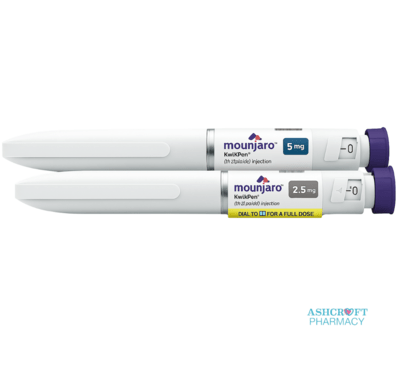
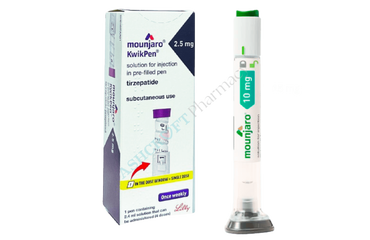
Mounjaro Weight Loss Injections
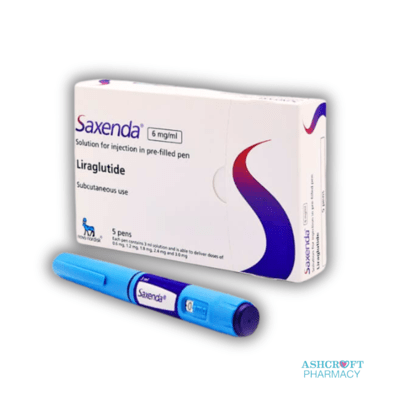
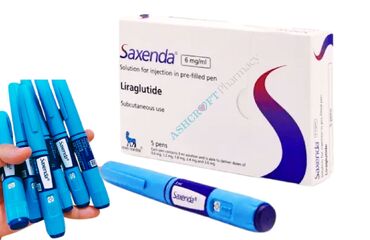
Saxenda Weight Loss Pen

Receive Tomorrow if you place order in next
How Many Weeks Is Considered a Weight Loss Plateau?
Typically, a weight-loss plateau occurs when there is no change in weight for 2 to 4 weeks, even if you are sticking to your diet and workout plan. During this time, your body’s metabolism may adjust to the new routine and stall out on progress. The plateau can occur as the body becomes more efficient at using energy, or due to factors such as water retention or muscle gain.
Revising workout intensity, altering calorie intake, or switching up the exercises will help you break through it and boost your progress again.
Read About: Massive 20,000 Participant Study Reveals Dramatic Weight Loss Results for Ozempic vs. Mounjaro
Notable Points to Consider:
Besides this, there are some points that you must take into account:
- Plateau duration can vary: Most experts say four weeks is the benchmark, but some say it can last several months.
- Short-term fluctuations are normal: It is not necessarily a plateau if you are not losing weight week after week. It may be due to water retention, causing temporary fluctuations.
- What to do during a plateau: When you hit a plateau, it is time to adjust your diet or exercise routine to boost your weight-loss journey.
How to Break a Plateau on Weight Loss?
So, how can you overcome a plateau during weight loss? When you hit a plateau, ask yourself whether you are satisfied with your new weight or if you want to lose more. If you still want to lose more weight or get closer to your fitness goals, follow these tips and strategies:
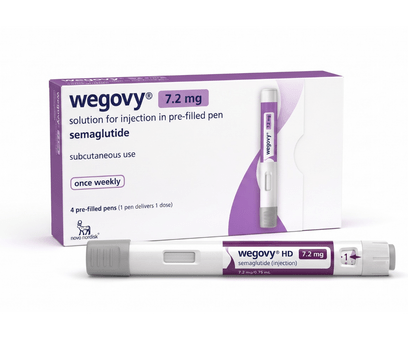
Wegovy Weight Loss Injection Pen
Mounjaro Weight Loss Injections
Receive Tomorrow if you place order in next
Reassess Your Caloric Intake
Your calorie requirement decreases as you lose weight. You should take the time to recalculate your new calorie intake based on your new weight. You must:
- Use a calorie-tracking app to monitor your calorie intake and avoid overfeeding.
- Decrease the amount of food you consume or increase your caloric expenditure.
- Be mindful of hidden calories in drinks, snacks, and condiments.
Cut Your Calories
You must eat a low-carb diet. It will reduce your hunger and make it easy for you to lose weight without any discomfort or hunger pangs.
Modify Your Physical Activity
A small amount of NEAT (non-exercise physical activity) makes a big difference in calorie burning and has a dramatic impact. So think outside the gym and:
- Perform deadlifts, squats, and weightlifting, or increase the intensity of your workout to boost your metabolic rate and burn more calories.
- Try to walk more during the day by parking farther from your workplace, taking the stairs instead of the elevator, or taking short naps during working hours.
- Get a watch or use a fitness tracker to count steps, and try to exceed the recorded count.
- Try other forms of exercise, such as cycling or swimming, to engage different muscle groups and boost calorie expenditure.
Track Everything You Eat
Never underestimate how much food you eat. Track your calorie and macronutrient intake—fats, carbs, and protein—to get a clear idea of what you're eating and how much. Tracking will help you modify your diet and improve your weight loss efforts.
Increase Your Protein Intake
Changing your macronutrient ratio occasionally might help you break a plateau. For example, increased protein consumption can increase metabolic rate and muscle retention while decreasing appetite. Moreover, protein increases calorie burning by 20-30%, more than carbs or fats. So,
- Make sure to consume foods rich in fibre and high-quality protein, such as lean meats, beans, tofu, nuts, fish, eggs, and legumes, to support muscle repair and fat loss.
- Try using a keto or a low-carb, high-fat (LCHF) diet to determine whether they cause additional weight loss.
Manage Stress
Stress triggers food cravings and interferes with weight loss by increasing cortisol levels, which affect fat storage around the belly. So,
- Perform gentle exercises such as pilates or yoga.
- Engage yourself in mindfulness techniques such as deep breathing, meditation, or journaling to reduce stress.
- Get 7-8 hours of sleep, or it will affect your mental & physical health and your weight-loss efforts.
Try Intermittent Fasting
Intermittent fasting is an eating pattern in which you alternate between periods of eating and fasting. This method will help you make progress past the plateau by enhancing fat loss and metabolic flexibility. So,
- Try fasting for 16 hours and eating during an 8-hour window (16:8 method).
- Alternatively, you can opt for 5:2 fasting: for 5 days, you eat your regular meals, and on two other days, you take very few calories.
Avoid Alcohol
Alcohol sabotages your weight loss journey as one alcoholic drink (12 oz beer, 4 oz wine, or 1.5 oz hard liquor) contains only 100 calories and does not offer additional nutritional value. So you may drink more than one drink at a sitting. Moreover, alcohol loosens inhibitions, leading you towards poor food choices or overeating. So avoid alcohol and improve your overall health.
Food rich in fibre (especially soluble fibre) helps you break through the weight loss plateau. Soluble fibre slows digestion and nutrient absorption in the small intestine, giving you a feeling of fullness, helping you lose weight, and improving your health. So consume fibre-rich foods, including:
Vegetables
Some fruits, like kiwi, apples, and raspberries
Whole grains, like oats
Pulses, like beans and lentils
Drink Tea, Coffee, or Water
Although sugary beverages can make you gain weight, beverages like water, tea, and coffee can reverse a weight-loss plateau. Water boosts metabolism and helps you reduce food intake. Coffee and tea, particularly green tea, contain antioxidants, including EGCG (epigallocatechin gallate), which enhance fat-burning effects and promote weight loss.
Be Patient and Persistent
It can be disheartening when you are not losing weight, but the fact is that weight loss plateaus are pretty standard. Stay kind to your body and make healthy choices. Losing weight in a proper, sustainable manner is a long process, and overcoming the barriers of a plateau requires consistency.
Do Not Only Follow the Scale
Sometimes, progress is not only measured by the figure on the scale. Celebrate non-scale victories like:
Improved strength and fitness levels.
Better quality of sleep and energy.
Losing body measurements or dress size
Plateau Weight Loss and Medical Assistance
Plateau Weight Loss and Medical Assistance
- Appreciate yourself for the weight you have lost.
- Talk to your doctor or dietitian for new strategies to try or to evaluate underlying chronic health conditions related to obesity.
- Revisit your weight loss goals.
- Continue your efforts to achieve your weight loss goals.
If you want to explore popular weight loss treatments, the following is a list of treatments available in the UK:
- Saxenda Weight Loss Pen
- Mysimba | Weight Loss Tablets
Mounjaro (Tirzepatide) weight loss injection
Orlistat - Weight Loss Capsules
Wegovy weight loss injections
Plateau in Weight Loss Reddit: Let’s Wrap Up!
A weight-loss plateau can be a significant blow, but with the right tactics, you can break through and keep going. Revisiting your diet, adding strength training, changing things up, and remembering how stress and sleep can affect your weight-loss goals. However, with patience, perseverance, and some minor adjustments to your routine, you can overcome a plateau. Always stay consistent and committed; eventually, you will see the results you aim for.
Saxenda Weight Loss Pen
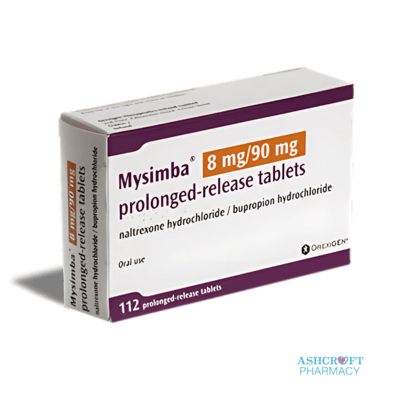
Mysimba | Weight Loss Tablets
Receive Tomorrow if you place order in next
Important FAQs
How Do You Know If You've Hit a Weight Loss Plateau?
Suppose you did not notice any change in your weight for several weeks despite sticking to your same exercise and diet routine. It is a common sign that you have reached a weight-loss plateau.
How Long Does a Weight Loss Plateau Last?
A weight loss plateau can last for a few weeks to several months, depending on your diet and exercise routine. Maintaining your routine and trying different strategies will help you break through it faster.
Can a Cheat Day Break a Plateau?
However, a cheat day might trick your metabolism into running faster and potentially break a plateau, but it isn't a silver bullet. It is about being consistent and doing things in moderation.
Will a Weight Loss Plateau Go Away on Its Own?
If you continue to adapt, the weight-loss plateau may eventually resolve on its own, but sometimes you need to adjust your exercise and diet to overcome it. Adjustments and adaptations can help restart progress.
What Are the Best Foods to Break a Weight Loss Plateau?
Foods that can help break a weight-loss plateau include high-protein foods, such as lean meats, eggs, and legumes, as well as fibre-rich vegetables and whole grains. They increase metabolism and help you feel full longer.