Best Nasal Sprays for Hay Fever | Ashcroft Pharmacy
By Mr Suhail Jamil



Hay fever, known as allergic rhinitis, is a widespread condition in the UK during the spring and summer, when pollen count is high. It occurs when your immune system overreacts to allergens such as pollen, dust, or animal dander. The outcome is an irritating combination of sneezing and nasal blockage, with the addition of a running nose and itching, which adversely affects your routine activities, whether you are out in the garden, at work, or trying to get some sleep.
Many people choose nasal sprays as the primary option to relieve symptoms of hay fever. Unlike tablets, they target the site of irritation directly—the nose—and provide quick relief. If it is a mild discomfort or severe blockage, the appropriate nasal spray will alleviate the symptoms. This article will help you explore the best nasal sprays for hay fever, available in the UK, so you can savor the season and breathe with ease.
Types of Nasal Sprays for Hay Fever
The different types of nasal sprays for hay fever are:
- Corticosteroid Sprays
- Mometasone intranasal spray
- Fluticasone propionate nasal spray
- Fluticasone furoate intranasal spray (Avamys®)
- Triamcinolone acetonide 55 microgram per 1 dose - Nasacort 55micrograms/dose nasal spray Opella Healthcare UK Ltd
These sprays are mainly used for moderate to severe rhinitis, where they help reduce inflammation in the nasal cavities, which in turn helps alleviate congestion, sneezing, and even a runny nose.
They are often recommended as a long-term solution as they not only relieve symptoms but also provide additional preventive measures when used consistently.
Although their impact builds over several days, the results tend to last much longer than the average, i.e. for up to 24 hours, with once daily use. The extent of absorption varies between steroids; mometasone furoate and fluticasone have less systemic absorption, others have modest absorption, whilst betamethasone has high systemic absorption and should only be used short-term.
Antihistamine Sprays
Antihistamine nasal sprays are usually indicated for mild allergic rhinitis.Azelastine intranasal spray is the only intranasal antihistamine which is licensed in the UK for treating allergic rhinitis. The function of this medication is to block histamine which is the active compound released by your body during allergic reactions. These sprays directly target histamine and offer quick relief (within minutes) from nasal itching, a runny nose, and sneezing. Nevertheless, this type of medication wears off faster compared to intranasal corticosteroids so they might have to be used more often depending on which antihistamine is selected.
Nasal Decongestant Sprays
Xylometazoline hydrochloride nasal drops or spray are licensed for the short-term management of nasal congestion in adults and children over 6 years of ageThese sprays are highly effective in reducing nasal tissue swelling and relieving congestion within a short period of time. However, you must use it for a few days at a time (usually no more than 3 days) as they pose the risk of dependency and rebound congestion, where your symptoms return even more intensely upon discontinuation.
Saline Sprays
They are completely natural and non-medicated, making them safe for everyday use. Saline sprays help rinse allergens from the nose and keep your nose moisturised to reduce irritation. Also, they are safe for all ages and can be used with other treatments to enhance their effectiveness.
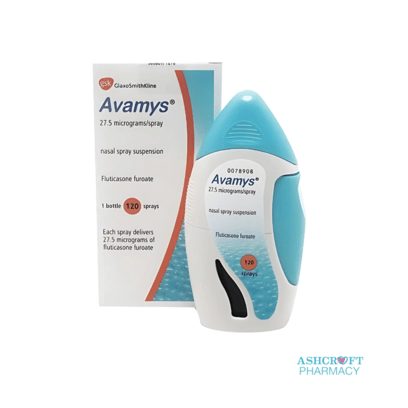
Avamys Nasal Spray
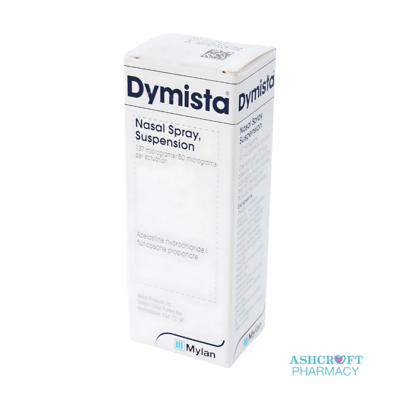
Dymista Nasal Spray

Receive Tomorrow if you place order in next
Top Recommended Nasal Sprays in 2026
The top-rated nasal sprays in the UK (over-the-counter and prescription) are:
1. Nasacort Allergy 24HR (OTC)
Nasacort is ideal for allergy sufferers and provides reliable, all-day control without drowsiness or harsh ingredients.
- Classification: Corticosteroid
- Pros: Scent-free, Long-lasting, and alcohol-free formula.
- Cons: Best results require regular use, not instant
- Price Range: £8 - £12
2. Azelastine hydrochloride 140 microgram per 1 actuation - Rhinolast 140micrograms/dose nasal spray
For rapid relief, azelastine works right away, perfect for unexpected flare-ups.
- Classification: Antihistamine
- Pros: Starts working within 30 minutes, effective against sneezing and itching.
- Cons: Requires prescription, causes mild irritation of the nasal passages.
- Price Range: £12 - £18 (with prescription)
3. Otrivine Adult Nasal Spray (OTC)
As one of the fastest-acting options for blocked noses, Otrivine works best when used as a part of a short-term treatment plan.
- Type: Decongestant
- Pros: Great for short-term congestion relief, works in minutes
- Cons: Should not be used for over 3 days due to the rebound effect
- Price Range: £4–£6
4. Beconase Hayfever Relief (OTC)
An established brand in the UK, Beconase is ideal for everyday use, offering effective symptom control at a low price.
- Type: Corticosteroid
- Pros: Affordable, lowers inflammation, proven track record, it works right where the problem starts, in the nose.
- For optimum results, Beconase should be sprayed twice into each nostril every morning and night.
- Cons: May dry out nasal passages with long-term use
- Do not use more than 4 sprays in each nostril in 24 hours, and do not use for more than one month continuously without speaking to your GP
- Price Range: £5–£8
5. Sterimar Allergy Relief (OTC)
Sterimar offers a great natural option for flushing out allergens and soothing irritated nasal cavities, especially when used with medicated sprays.
- Type: Saline with added manganese.
- Pros: 100% natural, suitable for all ages, safe for frequent use
- Cons: Does not relieve severe symptoms by itself
- Price Range: £6–£10
6. Dymista (Prescription only)
Dymista combines antihistamines and steroids in one spray, offering enhanced effectiveness and making it perfect for people with severe and persistent hay fever. This spray is reserved for when an antihistamine or corticosteroid nasal spray alone is not successful in relieving symptoms.
- Type: Combination (corticosteroid + antihistamine)
- Pros: Perfect for severe hay fever cases, dual-action formula
- Cons: Require a prescription, may cause mild drowsiness
- Price Range: £15-£20
Avamys Nasal Spray
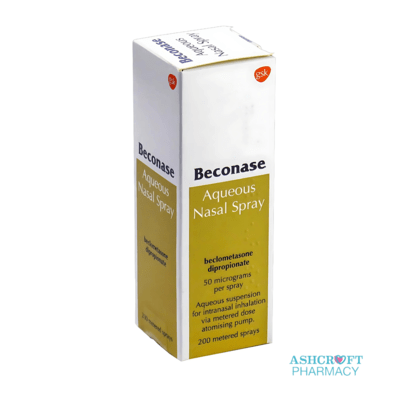
Beconase Aqueous Nasal Spray (200 Dose)
Receive Tomorrow if you place order in next
How to Choose the Right Nasal Spray
Selecting the best nasal spray for hay fever often comes down to a few deciding factors. If the symptoms are mild, an antihistamine or even a saline spray could do the trick. Long term relief comes from corticosteroid sprays, making it perfect for severe or chronic cases. Also, they take a couple of days to reach their full potential. Age is also a factor because some sprays, like Nasacort Allergy for Kids, feature gentler ingredients and dosing and are formulated for younger users.
You must also consider underlying health conditions. For instance, an individual who has glaucoma, high blood pressure, or is pregnant must be cautious with medicated sprays. Always consult your doctor to determine the safe and effective option for you based on your specific needs.
Side Effects and Proper Usage
For your nasal spray to be effective and to avoid negative side effects, it is important to use it correctly. Begin by blowing your nose so your nasal cavities have a clear passageway. Take off the cap, and give the bottle a shake if instructed to do so, then tilt your head forward slightly, Insert the nozzle inside your first nostril and aim toward the outer wall or away from the center of the nose, breathe in gently through your nose while spraying. If needed, spray in the other nostril as well. After you are done using the spray, replace the cap and clean the nozzle.
Side Effects
The side effects of different nasal sprays are:
Corticosteroid Sprays (Nasacort): These sprays are mostly safe for use over prolonged periods; however, some may experience nose dryness, irritation, or sporadic bleeding if sprayed incorrectly or overused. In this case, using a saline spray can prevent dryness.
Decongestant Sprays (Otrivine): These sprays are highly effective for short time periods but extended use can cause rebound congestion, where nasal stuffiness worsens once you stop. So, it must be used sparingly.
Antihistamine Sprays: In some users, these may lead to minimal side effects such as drowsiness, bitter taste (if used incorrectly), or nasal irritation, stinging, itching, sneezing, or epistaxis. Overall, they are well-tolerated for short-to-medium duration use.
Saline Sprays (Sterimar): As a category of non-medicated products, these sprays have no serious side effects. At most, users may suffer mild stinging sensation if the nose is irritated or too dry.
If symptoms persist or get worse, seek medical help or consult your doctor for alternative or combination therapies.
Natural and Alternative Remedies
Natural approaches, such as neti pots, herbal nasal sprays, and essential oils, help alleviate mild to moderate allergy symptoms. Neti pots are effective in flushing out allergens from the nasal passages, while sprays with butterbur or eucalyptus assist in inflammation reduction. Essential oils such as lavender and peppermint are used in aromatherapy to enhance relaxation and ease breathing.
These remedies provide limited effectiveness for people with chronic sinus problems or severe allergies. According to recent studies, some natural treatments show efficient results, but they need large-scale clinical trials to validate efficacy. Likewise, a study published in the Journal of Allergy and Clinical Immunology warns that natural treatments are effective but are not a replacement for medical treatments.
Expert Tips for Maximizing Relief
If you are looking for ways to relieve allergies, specialists recommend a combined approach for best results. Combine antihistamine tablets with nasal sprays and HEPA air purifiers to help reduce airborne allergens in the home.
Use nasal sprays several weeks prior to the onset of allergy season, especially in early spring.
Also, do not forget to check for pollen levels from sources like the Met Office, shower after spending time outside to get rid of potentially harmful allergens, and keep your windows closed. This approach can greatly reduce the likelihood of flare-ups occurring, allowing you to comfortably enjoy the whole season.
Frequently Asked Questions
Are nasal sprays safe during pregnancy?
Some nasal sprays, like saline sprays and certain steroid sprays (budesonide), are safe during pregnancy. However, you must consult your doctor before using them. Avoid decongestant sprays unless specifically advised, as they may not be recommended during pregnancy.
Can nasal sprays be used long-term?
Some sprays, such as saline or steroid-based nasal sprays, are safe for long-term use if used as directed and under medical supervision. However, decongestant sprays should be used for a few days, as long-term use can cause rebound congestion.