• Free Standard Delivery Over £45
  • UK Registered Pharmacy
  • Discreet Delivery
  • Authentic & Safe Medication

Chlamydia Treatment

The pharmacists at Ashcroft Pharmacy understand that sexually transmitted diseases can be embarrassing to get treatment for. We offer the option of getting chlamydia treatment discreetly and safely.

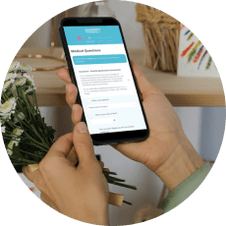
Once you have confirmed your diagnosis with a self-testing chlamydia test or NHS test kit, simply fill out the health questionnaire below, and we will deliver your treatment to your doorstep in enclosed, discreet packaging.


Info: Before issuing a treatment, you’ll need to answer a short assessment. This will help us recommend the right treatment for you.

Chlamydia Treatment medications
Order in the next for Thursday delivery


Overview

About Chlamydia & Chlamydia Treatment

Chlamydia is a common sexually transmitted infection (STI) caused by bacteria called Chlamydia trachomatis. Chlamydia can be contracted at any age, but it is most frequently seen in sexually active people under 25.


It can be spread through unprotected sex (vaginal, anal, or oral), sharing sex toys or your genitals coming into contact with another person’s genitals.


Most people with chlamydia have no obvious symptoms, so the infection can go unnoticed. Without prompt chlamydia treatment, the bacteria can spread and lead to long-term problems such as pelvic inflammatory disease, chronic pelvic pain, and fertility issues. Therefore, if you are worried you might have been exposed to chlamydia, or you have any symptoms that concern you, speak to a healthcare professional or get a same-day chlamydia test just to be sure.


Get Assessed for Chlamydia Treatment

The good news is that chlamydia is curable with antibiotics.


If you have tested positive for the infection, Ashcroft Pharmacy can help you get the correct chlamydia treatment delivered to your home, so you can avoid an embarrassing visit to the GP.


Start your private online assessment now.

Who is Considered to be at a High Risk of Contracting Chlamydia?
  • If you have unprotected sex with more than one sexual partner,
  • Under the age of 25
  • If you have a new partner,it's advisable to get tested first.
  • In your past, you have been diagnosed with chlamydia.
Diagnosis of chlamydia

The only way to know if you have chlamydia is to get tested. Fortunately, the available methods of testing are quick and painless.


You can purchase chlamydia tests online, or you can go to your GP or local sexual health clinic, where you can have a chlamydia test for free.


Free NHS Home Test Kits for Under 25s


Find Your Nearest NHS Sexual Health Clinic


For a physical examination, a healthcare professional examines any discharge, sores, and spots in infected areas and takes a swab from potentially infected areas, such as the vagina, penis, throat or anus.


A Chlamydia test also often involves a urine sample that is sent to a laboratory for analysis. If you test positive for chlamydia, your sexual partner(s) must receive chlamydia treatment at the same time to avoid reinfection.


The results may take several days. The doctor’s office should call to discuss the results. If the test returns positive, a follow-up appointment and treatment options will be discussed.


If you want to pay extra for speedy results, some sexual health clinics allow you to purchase same-day chlamydia tests.

Prevention for chlamydia

Regular testing and practising safer sex are key to reducing your risk of getting or passing on chlamydia. 


You can help protect yourself and your sexual partners by:

  • Using a condom during vaginal, anal or oral sex.
  • Using a dental dam over the vulva or anus during oral sex or when rubbing female genitals together.
  • Not sharing sex toys, or washing them and covering them with a fresh condom between uses and between partners.
How common is chlamydia in the UK?

Don’t feel ashamed if you contract chlamydia. It is one of the most common sexually transmitted infections (STIs) in the UK, affecting both men and women, with approximately 2-3 out of every 100 sexually active young people getting chlamydia each year, according to the Sexually Transmitted Infections and Screening for Chlamydia in England: 2024 report.


When analysing STI diagnoses and chlamydia screening data for 2023, with comparisons to 2022 and trends from 2014 to 2023:

  • In England, new STI cases rose by 4.7%, from 383,789 in 2022 to 401,800 in 2023.
  • Chlamydia diagnoses also increased slightly, from 194,244 to 194,970 over the same period.


Sources
https://www.gov.uk/government/statistics/sexually-transmitted-infections-stis-annual-data-tables/sexually-transmitted-infections-and-screening-for-chlamydia-in-england-2024-report
https://www.nhs.uk/conditions/chlamydia/
https://cks.nice.org.uk/topics/chlamydia-uncomplicated-genital/
https://www.gov.uk/government/statistics/sexually-transmitted-infections-stis-annual-data-tables


Causes

Causes and Transmission

Chlamydia is caused by bacteria called Chlamydia Trachomatis and can be spread between people through the sexual fluids produced by the penis and vagina.

This means chlamydia can be transmitted without penetration or ejaculation.

Chlamydia cannot be caught through casual contact, e.g. holding hands, kissing, or sharing household objects such as towels, baths or cutlery.

Ways of Transmission:

Unprotected Sex:

Chlamydia is commonly transmitted through sexual activities that lack protection, such as vaginal, anal, or oral sex without using barrier methods like condoms.

Vertical Transmission (Mother to Child):

Chlamydia can be passed from an infected mother to her baby during childbirth. This highlights the importance of early detection and chlamydia treatment in pregnant individuals to prevent potential complications in newborns.


Treatments

Ashcroft Pharmacy offers confidential chlamydia treatment with prescription antibiotics, dispensed from our UK registered pharmacy and delivered discreetly anywhere in the UK.


The most commonly prescribed chlamydia treatments are:

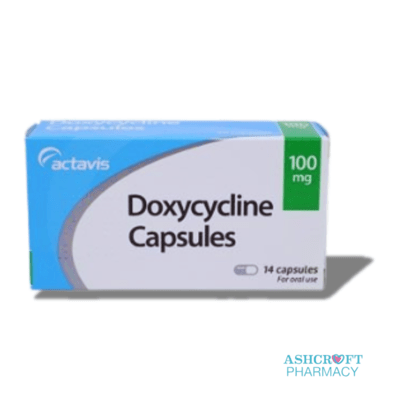
  1. Doxycycline: Take ONE tablet twice daily for 7 days.
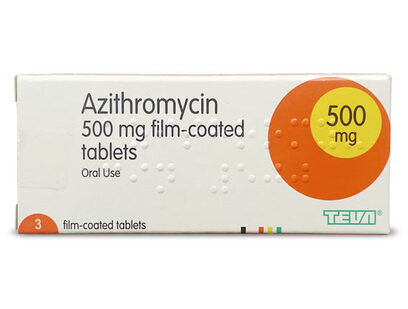
  2. Azithromycin: One 1g dose, followed by 500mg once a day for 2 days.


Your Ashcroft Pharmacy prescriber will decide which antibiotic is right for your chlamydia treatment based on your medical history and the information you provide in your consultation


Always take your chlamydia treatment exactly as directed and complete the full course, even if symptoms improve sooner than expected.


If symptoms continue or return after treatment, contact your GP, sexual health clinic, or our pharmacy team for further advice.

Symptoms

As documented by The National Library of Medicine, most people with chlamydia do not experience any symptoms. Studies suggest that between 40% and 96% of people with chlamydia are asymptomatic. 


When symptoms do appear, they usually develop 1 to 3 weeks after exposure, but they can start later.

Chlamydia symptoms in women include:
  • Chlamydia symptoms in men include:
  • A noticeable change in any vaginal discharge
  • Lower abdominal pain
  • Bleeding between periods and heavier periods than normal
  • Pain when urinating
  • Bleeding during and/or after sex
  • Pain during sex
Chlamydia symptoms in men include:
  • An abnormal discharge from the tip of the penis
  • Pain when urinating
  • Pain in the testicles
Non-genital Chlamydia Symptoms (Men & Women):
  • Rectum/Anus: Usually no symptoms, but may cause discomfort or discharge.
  • Eyes: Can cause mild irritation in one or both eyes.
  • Throat: Rarely infected and usually symptom-free.
  • If concerned: See a GP, sexual health clinic, or GUM clinic.


FAQ


  • Will chlamydia go away on its own?

    No. Chlamydia will not clear up by itself, and leaving it untreated can lead to serious complications, including pelvic inflammatory disease and fertility problems. The infection needs to be treated with antibiotics prescribed by a healthcare professional.

  • How long does it take for symptoms to appear after I get infected with chlamydia?

    Many people never develop noticeable symptoms. When symptoms do happen, they usually appear 1 to 3 weeks after infection, but they can start months later. You can pass on chlamydia even if you have no symptoms, which is why regular testing is important if you are sexually active or have new partners.

  • Do I have to tell my partner if I have chlamydia?

    Yes. It is very important to tell your current partner and any sexual partners from the last 6 months if you have tested positive for chlamydia. They should be tested and may need chlamydia treatment to prevent complications and to stop the infection from spreading or being passed back and forth.

  • Is chlamydia curable?

    Yes. Chlamydia is usually easily treated and cured with a short course of antibiotics, such as Ddoxycycline or Aazithromycin. Any damage already caused by long-term infection, for example, to the reproductive organs, may not be reversible, so early testing and treatment are essential.

  • What should I do if my partner tells me I have chlamydia?

    If your partner has tested positive for chlamydia, and you have had unprotected sex with them, you should arrange testing and treatment as soon as possible, even if you feel well. In some cases, a clinician may offer chlamydia treatment without a test if your risk is high, but testing is still recommended. Where available, booking a same-day chlamydia test allows you to confirm the infection quickly and start treatment straight away if needed.

  • Does chlamydia have a smell?

    Chlamydia does not always cause a noticeable smell. Some people may notice a change in vaginal discharge, including an unusual or unpleasant odour, but many people have no obvious signs. The only reliable way to know if you have chlamydia is to have a test.

  • How did I get chlamydia if my partner doesn't have it?

    Because chlamydia often causes no symptoms, either of you could have had the infection for some time without realising. It might have been picked up from a previous sexual partner weeks or months earlier. If there is any doubt, both of you should have a chlamydia test and avoid unprotected sex until you have been tested and treated, if necessary.

  • Can chlamydia turn into something else?

    Regular and immediate treatment is recommended since, if left untreated for a long period of time, it can permanently damage a woman's reproductive system.

    Chlamydia does not change into a different infection, but if it is not treated, it can spread and cause other health problems. In women and people with a womb, it can lead to pelvic inflammatory disease, ectopic pregnancy and fertility problems. In men, it can cause conditions such as chlamydial urethritis, epididymitis and inflammation of the prostate.

  • When can I have sex again?

    To reduce the risk of passing chlamydia on, do not have sex, including oral, vaginal or anal sex, or share sex toys until at least 7 days after you and your partner have both completed your antibiotic treatment. For the doxycycline chlamydia treatment course, this usually means waiting until you have taken all 7 days of tablets. Your clinician may also advise a follow-up test to confirm that the infection has cleared.

Doxycycline - Chlamydia Treatment

Medication Ashcroft Pharmacy
100mg x14 Capsules £13.50
Order now

Azithromycin Tablets

Medication Ashcroft Pharmacy
500mg x4 Tablets £13.99
Order now

Gonorrhoea and Chlamydia Rapid Home Test Kit

Medication Ashcroft Pharmacy
£12.99
Order now

Hear from our customers...

Loading reviews...

Ordering is quick and easy!

  • Step 1:  Select the Treatment You’d Like

    Step 1:
    Select the Treatment You’d Like

    Our medical team will check it’s safe and suitable for you.

  • Step 2: Free Online Consultation

    Step 2:
    Free Online Consultation

    Start a free 2 minutes online consultation with simple questions about your health.

  • Step 3: Express Delivery

    Step 3:
    Express Delivery

    Your treatment will be sent direct from our pharmacy in discreet packaging.